


Refine Results
Sort By
From
To

This book provides an overview of the most recent techniques, agents and approaches for breast cancer that contribute to the individualization of treatment. Current biomedical research focuses on facilitating the transfer of molecular biology knowledge into the clinical management of patients, leading to increased survival as well as improved quality of life. Particular attention is given in this book to organ-specific tailored approaches, specific populations, patients’ preferences and rehabilitation.

The book is rich in references and leaves no aspect of the problem untouched. The morphological, pharmacological, physiological and mathematical modeling aspects of different components of the subject are treated to exhaustion...the book is richly illustrated and down-right comprehensive. It will delight those interested in the field, will inform those who need a context for their research efforts and is a must for graduate and medical libraries.

Despite the increasing awareness that neural mechanisms are the primary cause of cardiac disease and its progression, therapy continues to focus on end-organ protection and does not approach the neural core of the problem. Growing public health problems such as heart failure are still treated with autonomic drugs that are 30-40 years old and simply act on cardiac receptors. However, it has now been shown that the progression of ischemic heart disease to heart failure is mainly due to abnormal central responses to incipient cardiac disease, with neural activation the primary cause rather than the consequence of cardiac remodeling.

Bone and Cartilage Engineering presents the theory and practice of cell-based regeneration of skeletal defects. Much of the focus is on the importance of the cell biological and biomaterial aspects for engineering a clinically relevant device. The basic key techniques for optimal engineering outcomes including cell and organ culture, biomaterial development, and bioreactor use are described in detail and highlighted by multiple figures.

Since the terrorist attack on the United States on September 11, 2001 and subsequent cases of anthrax in Florida and New York City, attention has been focused on the threat of b- logical warfare and bioterrorism. Biological warfare agents are de?ned as “living org- isms, whatever their nature, or infected material derived from them, which are used for h- tile purposes and intended to cause disease or death in man, animals and plants, and depend for their efforts on the ability to multiply in person, animal or plant attacked.” Biological warfare agents may be well suited for bioterrorism to create havoc and terror in a civilian population, because they are cheap and easy to obtain and dispense. Infectious or contagious diseases have played a major part in the history of warfare – deliberately or inadvertently – in restricting or assisting invading armies over the centuries. In 1346, the Tartars catapulted plaque-infected bodies into Kaffa in the Crimea to end a 3-year siege. Blankets contaminated with smallpox to infect North American Indians were used by British forces in the 18th century. More recently, the Japanese released ?eas infected with plaque in Chinese cities in the 1930s and 1940s. Biological research programs for both offensive and defensive strategies have been developed by the United States, Britain, the former Soviet Union, and Canada; several other nations are thought to have such programs.
Provides a comprehensive overview of the biosimilar regulatory framework, the development process and clinical aspects for development of biosimilars. The development path of a biosimilar is just as unique as a development path of a new drug, tailored by the mechanism of action, the quality of the molecule, published information on the reference product, the current competitive environment, the target market and regulatory guidance, and most importantly, the emerging totality of evidence for the proposed biosimilar during development.
This book provides sought-after guidance to primary care physicians on preparing for and responding to terrorist events. Chapters offer a fundamental understanding of the epidemiology and relevant clinical aspects of diseases caused by biological agents (anthrax, plague, smallpox, botulism, tularemia, and hemorrhagic viruses), chemical agents (nerve and blister), and radiological agents. The text details how to detect terrorist-caused illness as early as possible, how to provide defensive or preventive therapy, and how to triage and treat ill patients. Emphasis is placed on addressing both the physical and psychological impact on patients and providers.

The idea for Bioethics in Law began more than a decade ago, while I was studying social science and law. I was parti- larly interested in the collaborations that comprised social s- ence in law. Economic and social data in the pioneering Brandeis brief had been used to defend an early 20th-century labor law; surveys of consumer confusion had helped resolve trademark - fringement cases; psychologists’ predictions of future violence had informed capital sentencing decisions. Additionally, Kenneth Clark’s “doll studies,” cited by the Supreme Court in Brown v. Board of Education, had helped change the course of American 1 history.
In the last few decades more and more yeast habitats that were not investigated earlier, spanning cold climates to tropical regions and dry deserts to rainforests, have been explored. As a result, a large body of ecological data has been accumulated and the number of known yeast species has increased rapidly. This book provides an overview of the biodiversity of yeasts in different habitats. The recent advances achieved by the application of molecular biological methods in the field of yeast taxonomy and ecology are also incorporated in the book. Wherever possible, the interaction between yeasts and the surrounding environment is discussed.
New three-dimensional endoanal and endorectal ultrasonographic and magnetic resonance imaging techniques have given better insight into the complex anatomy of the pelvic floor and its pathologic modification in benign anorectal diseases. Obstetrical events leading to fecal incontinence in females, the relationship between fistulous tracks and the sphincter complex, and mechanisms of obstructed defecation syndrome can now be accurately evaluated, which is of fundamental importance for decision making.
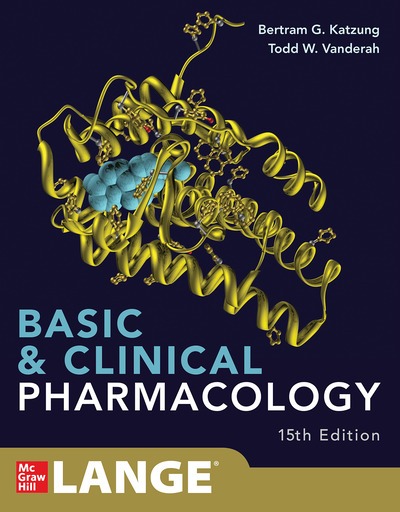
Covers the important concepts students need to know about the science of pharmacology and its application to clinical practice. This edition has been extensively updated to provide expanded coverage of transporters, pharmacogenomics, and new drugs Delivers the knowledge and insight needed to excel in every facet of pharmacology!. Encompasses all aspects of medical pharmacology, including botanicals and over-the-counter drugs Major revisions of the chapters on immunopharmacology, antiseizure, antipsychotic, antidepressant, antidiabetic, anti-inflammatory, and antiviral drugs, prostaglandins, and central nervous system neurotransmitters New chapter on the increasingly relevant topic of cannabis pharmacology Each chapter opens with a case study, covers drug groups and prototypes, and closes with summary tables and diagrams that encapsulate important information Revised full-color illustrations provide more information about drug mechanisms and effects and help clarify important concepts Trade Name/Generic Name tables are provided at end of each chapter for easy reference when writing a chart order or prescription Includes descriptions of important new drugs released through May 2019 New and updated coverage of general concepts relating to recently discovered receptors, receptor mechanisms, and drug transporters
Microbes produce an extraordinary array of defense systems. These include bacteriocins, a class of antimicrobial molecules with narrow killing spectra, produced by bacteria. The book describes the diversity and ecological role of bacteriocins of Gram-positive and Gram-negative bacteria, presenting a new classification scheme for the former and a state-of-the-art look at the role of bacteriocins in bacterial communication. It discusses the molecular evolution of colicins and colicin-like bacteriocins, and provides a contemporary overview of archaeocins, bacteriocin-like antimicrobials produced by archaebacteria. Furthermore, various modeling (in silico) studies elucidate the role of bacteriocins in microbial community dynamics and fitness, delving into rock-paper-scissors competition and the counter-intuitive survival of the weakest. The book makes compelling reading for a multi-faceted scientific audience, including those working in the fields of biodiversity and biotechnology, notably in the human and animal health domain.
The auricle is a privileged place to observe and treat patients reflexively. It is endowed with both a particularly rich innervation, and brief connections with the higher nervous centers. It constitutes both a reading pavilion, to observe information coming from the organs and nerve endings of the skin, and a control pavilion to help correct abnormal information. It is a lookout post, placed bypassing the brainstem, on the path connecting the organs and the brain. It thus allows a fair control and an effective intervention. In this medical treatise on Auriculotherapy, historical and scientific data, medical explanations and bibliographical references are presented.
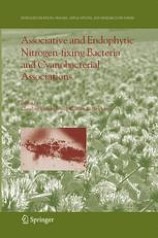
Associative and Endophytic Nitrogen-fixing Bacteria and Cyanobacterial Associations This book is part of the seven-volume series that was launched a few years ago with the ambitious objectives of reviewing the field of nitrogen fixation from its earliest beginnings through the millennium change and of consolidating the relevant information - from fundamental to agricultural and environmental aspects – all in one place. Volume 5 covers the biology of bacteria that associate with n- leguminous plants. The subject matter includes a wide range of associations; it covers the bacterial species that associate either with the surface or within the tissues of grasses (often referred as plant growth-promoting rhizobacteria) and also the symbiotic associations that cyanobacteria form with fungi, algae, and both lower and higher plants. This volume does not deal with the Frankia-actinorhizal plant associations, which is the topic of Volume 6
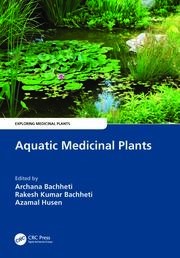
The use of medicinal plants in herbal and modern medicine has gained popularity over the last few decades due to consumers taking more natural approaches to medicine. Aquatic medicinal plants are rich in bioactive compounds and demonstrate various commercial, nutraceutical, and biological applications. Aquatic Medicinal Plants offers the reader a wealth of information on uses of bioactive components of these plants, along with crucial references, and explains their traditional uses, phytochemistry, and pharmacological properties.

This book is neither a summary nor an encyclopedia devoted to the treatment of loss of skin substance in the hand. There are currently excellent books that can serve as a reference, at any time, for the treatment of any skin defect, of the hand ... or elsewhere. We wanted a completely different perspective on trauma management open by hand, while respecting the spirit of the “Practical Approach” collection directed by Christian Fontaine: a simple presentation diagram, relatively stereotypical, a rich and varied iconography, tips and tricks, in short, an anthology of technical details and answers to the most common questions about hand flap surgery.
Ophthalmic microsurgery is applied in ophthalmic pathological conditions. Ophthalmic pathology sets the landmarks for all kinds of microsurgical manipulations. This excellent textbook emphasizes the ocular structures such as the nuances of morphology, surgical anatomy, and pathology.
This book will help in bridging the wide gap between developed and developing countries, in the development and use of gene-based technologies, and to elucidate the current and future roles of such technologies in the developing world. It is a good reference source for researchers, students and policy-makers alike.
The first evidence that electrical changes can cause muscles to contract was p- vided by Galvani (1791). Thus, elect- cal activity graduated from a simple mechanism that is used to elicit muscle c- traction, to a system that could induce permanent changes in muscles and modify most of its characteristic properties.
Covers all aspects of Anti-Neutrophil Cytoplasmic Antibody (ANCA) Associated Vasculitis (AAV). The expression refers to a group of diseases, characterized by destruction and inflammation of small vessels. The clinical signs vary and affect several organs, such as the kidney, lung, skin, nervous system and others. presents recently acquired knowledge on pathogenesis, diagnosis, and therapy with the aim of promoting a more holistic approach to these conditions. AAVs are systemic autoimmune diseases of unknown cause that affect small (to medium) sized blood vessels. They include granulomatosis with polyangiitis (formerly Wegener's granulomatosis), microscopic polyangiitis, and eosinophilic granulomatosis with polyangiitis (formerly Churg–Strauss syndrome).

Daraa Highway - Ghabagheb - Syria
+963-15 2050 - 15 860 380 /1/2/3 - 11 662 3900