


Refine Results
Sort By
From
To

The central nervous system (CNS) represents the organ with the highest structural and functional complexity. Accordingly, uncovering the mechanisms leading to cell diversity, patterning and connectivity in the CNS is one of the major challenges in developmental biology. The developing CNS of the fruitfly Drosophila melanogaster is an ideal model system to study these processes. Several principle questions regarding neurogenesis (like stem cell formation, cell fate specification, axonal pathfinding) have been addressed in Drosophila by focusing on the relatively simply structured truncal parts of the nervous system. This book provides an overview of some major facets of recent research on Drosophila brain development.
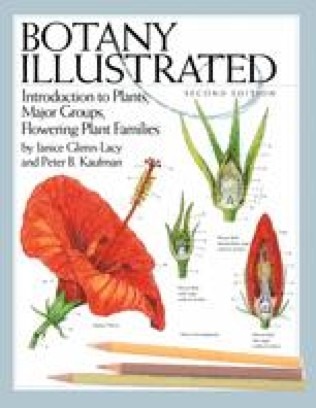
This easy-to-use book helps you acquire a wealth of fascinating information about plants. There are 130 pages with text, each facing 130 pages of beautiful illustrations. Each page is a separate subject. Included is a coloring guide for the realistic illustrations. The illustration pages are composed of scientifically accurate line drawings with the true sizes of the plants indicated. Using colored pencils and the authors’ instructions, you can color the various plant structures to stand out in vivid clarity. Your knowledge of plants increases rapidly as you color the illustrations.
Botanicals, which have been part of human food and medicine for thousands of years, are perceived as being safer than synthetic pharmaceuticals. The global botanical drug market was expected to reach $26.6 billion by 2017. In terms of FDA regulations, botanical drugs are no different from non-botanical products, having to meet the safety and effectiveness standards of a new drug in accordance. This book comprises a complete start-to-end process from drug-idea conception, to drug development process.

This volume adopts an ecosystems approach to understanding the world's boreal peatlands. It focuses on biogeochemical patterns and processes, production, decomposition, and peat accumulation, and provides additional information on animal and fungal diversity. A recurring theme is the legacy of boreal peatlands as impressive accumulators of carbon as peat over millennia. This carbon legacy is under threat from a wide diversity of disturbances, including wildfire, ongoing climate change, the changing chemistry of atmospheric deposition, and continuing resource exploitation. The volume is of inte.

The ability of stem cells to acquire different desired phenotypes has opened the door for a new discipline: regenerative medicine. Much of the interest for this purpose is generated by embryonic stem cells, but their use is still controversial for moral reasons as well as scientifically. Less controversial and readily available are the adult bone marrow-derived progenitors including hematopoietic stem cells, endothelial progenitors and mesenchymal stem cells. The ambitious goal of this volume is to provide a comprehensive overview of the currently available information related to the therapeutic utility of adult bone marrow-derived cells. Each chapter has been written by an accomplished expert in the field, making this a hugely valuable resource for anyone looking for an up-to-the-minute assessment of current practice in adult bone marrow-derived cell therapy.

The book covers notions by scientists of various branches on the evolutionary relationship between the biosphere and geosphere, evolution features at various levels of living matter organization, and problems of prebiotic evolution and life origin. The data were collected in the course of the RAS program "Biosphere origin and evolution" (subprogram II) in 2003–2006. The objectives of this subprogram were (1) generalization of data related to problems of biosphere origin and evolution accumulated by geneticists, molecular biologists, zoologists, botanists, paleontologists, microbiologists, geologists, chemists, and archaeologists; (2) search for new interdisciplinary approaches to biosphere origin and evolution; (3) development of a "lingua franca" understandable by experts in various fields, which would allow apprehension of results concerning the topic obtained in allied sciences

Biopharmaceutical Processing: Development, Design, and Implementation of Manufacturing Processes covers bioprocessing from cell line development to bulk drug substances. The methods and strategies described are essential learning for every scientist, engineer or manager in the biopharmaceutical and vaccines industry. The integrity of the bioprocess ultimately determines the quality of the product in the biotherapeutics arena, and this book covers every stage including all technologies related to downstream purification and upstream processing fields. Economic considerations are included throughout, with recommendations for lowering costs and improving efficiencies.
Source of the latest innovative research and technical development in biomanufacturing systems. It is organised into 2 parts: 1) Manufacturing of recombinant therapeutic proteins (e.g. therapeutic antibodies, biosimilars/biogenerics) and 2) Manufacturing aspects of cell and gene therapy. Each with selected chapters on the following topics for both up- and downstream, such as: Advanced process strategies, especially continuous manufacturing, Advanced culture techniques, especially single-use systems, Process transfer, scale-up/scale-down models, Processing advances/Manufacturing productivity/efficiency, Model-assisted process understanding and development/Digital Twins, Process controls and analytics, Quality control, Quality by design, Facility design and full-scale commercial systems, manufacturing technology innovation.

Biopharmaceutical Drug Design and Development, Second Edition, updates the widely successful first edition, published in 1999. This new, expanded edition investigates the dozens of new biopharmaceutical drugs that have become available since the publication of the first edition. Among the drugs discussed are ones in the categories of monoclonal antibodies for in-vivo use, cytokines, growth factors, enzymes, immunomodulators, thrombolytics, and immonotherapies including vaccines. Additionally, the volume examines new and emerging technologies, such as bioinformatics, DNA microarrays, transgenics, therapeutic gene delivery, stem cells, nucleic acid-based therapeutics, and macromolecular drug delivery. Authors also study pharmacogenetics in the clinic and changes in biologic drug approval at the FDA. Biopharmaceutical Drug Design and Development, Second Edition, is a worthy sequel in the discussion on the dynamic, exciting field of biotechnology.

Helping to accelerate Alzheimer’s disease drug development. Addressing the latest advances in preclinical and clinical research, including new insights into the molecular mechanisms and emerging therapeutic strategies, the book continues by exploring digital biomarkers and advanced neuroimaging analysis which will transform how clinical trials in the Alzheimer’s disease field are performed.
This volume describes the current status of the biology of inositols and phosphoinositides with an emphasis on the development in the area since the publication of volume 26 in 1996 in this series. The progress made in dissecting the genetics, structure and evolution of the seminal enzyme for synthesis of inositol in the biological system has driven the understanding of the enzyme forward. With the current genomic and proteomic tools in place the new role of inositols, inositol phosphates and phosphoinositides in cell signaling or stress response has been explored. These advances are described.

This book presents a comprehensive account of all aspects of biological invasions in South Africa, where research has been conducted over more than three decades, and where bold initiatives have been implemented in attempts to control invasions and to reduce their ecological, economic and social effects.

This book follows a precursor volume devoted to biological calci?cation, - sued by the CRC Press, Boca Raton (Florida) in 1992. Several basic aspects of the calci?cation process were analyzed in it by outstanding authors who had unquestioned competence in their respective research areas. Its main aim was that of giving readers access to a series of papers which, even though they discussed divergent aspects of biological calci?cations drawn from the study of systems as different as vertebrate skeletons and mollusks, in vitro cultures and unicellular organisms, ectopic calci?cation and urinary stones, provided elements permitting a coherent approach to a comprehensive view of the calci?cation process in biological tissues.
Presents the latest information on bioinformatics tools, artificial intelligence, machine learning, computational methods, protein interactions, peptide-based drug design, and omics technologies. And include bioinformatics tools for the pharmaceutical sector and the healthcare sector. Bioinformatics brings a new era in research to accelerate drug target and vaccine design development, improving validation approaches as well as facilitating and identifying side effects and predicting drug resistance. As such, this will aid in more successful drug candidates from discovery to clinical trials to the market, and most importantly make it a more cost-effective process overall.
Collaborative research in bioinformatics and systems biology is a key element of modern biology and health research. This book highlights and provides access to many of the methods, environments, results and resources involved, including integral laboratory data generation and experimentation and clinical activities. Collaborative projects embody a research paradigm that connects many of the top scientists, institutions, their resources and research worldwide, resulting in first-class contributions to bioinformatics and systems biology. Central themes include describing processes and results in collaborative research projects using computational biology and providing a guide for researchers to access them. The book is also a practical guide on how science is managed. It shows how collaborative researchers are putting results together in a way accessible to the entire biomedical community.

This open access book presents a comprehensive analysis of biofuel use strategies from an interdisciplinary perspective using sustainability science. This interdisciplinary perspective (social science-natural science) means that the strategies and policy options proposed will have significant impacts on the economy and society alike. Biofuels are expected to contribute to reducing greenhouse gas emissions, revitalizing economies in agricultural communities and alleviating poverty. However, despite these anticipated benefits, international organizations such as the FAO, OECD and UN have published reports expressing concerns that biofuel promotion may lead to deforestation, water pollution and water shortages. The impacts of biofuel use are extensive, cross-sectoral and complex, and as such, comprehensive analyses are required in order to assess the extent to which biofuels can contribute to sustainable societies.
In the last few decades more and more yeast habitats that were not investigated earlier, spanning cold climates to tropical regions and dry deserts to rainforests, have been explored. As a result, a large body of ecological data has been accumulated and the number of known yeast species has increased rapidly. This book provides an overview of the biodiversity of yeasts in different habitats. The recent advances achieved by the application of molecular biological methods in the field of yeast taxonomy and ecology are also incorporated in the book. Wherever possible, the interaction between yeasts and the surrounding environment is discussed.

This book is the first complete biography of one of the founders of fishery science, William Edwin (Bill) Ricker (1908 - 2001). Bill is immortalized in the Ricker Curve. He developed the Curve in his studies of stock and recruitment in fisheries, but it has been widely applied in many areas of science. Bill is best known for his contributions to fishery science, but he was also internationally recognized as an entomologist and a scientific editor. This book combines Bill’s own recollections with contributions from those who knew him and worked with him as a colleague during his multifaceted career. In an article written shortly before his death, Bill gives his own account of his career and intellectual development.

New three-dimensional endoanal and endorectal ultrasonographic and magnetic resonance imaging techniques have given better insight into the complex anatomy of the pelvic floor and its pathologic modification in benign anorectal diseases. Obstetrical events leading to fecal incontinence in females, the relationship between fistulous tracks and the sphincter complex, and mechanisms of obstructed defecation syndrome can now be accurately evaluated, which is of fundamental importance for decision making.
This open access book looks at the dramatic history of ovariotomy, an operation to remove ovarian tumours first practiced in the early nineteenth century. Bold and daring, surgeons who performed it claimed to be initiating a new era of surgery by opening the abdomen. Ovariotomy soon occupied a complex position within medicine and society, as an operation which symbolised surgical progress, while also remaining at the boundaries of ethical acceptability. This book traces the operation’s innovation, from its roots in eighteenth-century pathology, through the denouncement of those who performed it as ‘belly-rippers’, to its rapid uptake in the 1880s, when ovariotomists were accused of over-operating. Throughout the century, the operation was never a hair’s breadth from controversy.

Daraa Highway - Ghabagheb - Syria
+963-15 2050 - 15 860 380 /1/2/3 - 11 662 3900