



Page 3
Page 3

At home pharmacy
A drug is any substance that is used to diagnose, cure, treat, or prevent disease. Usually, with each drug, there is a written scientific explanation that explains its composition, indications, contraindications, side effects and dosages. Moreover, each pharmacist must explain in a clear way to the patient how to use the drug and its duration. But in reality, most people do not pay attention to the written scientific explanation and do not adhere to the pharmacist's instructions.

Aspirin tablet film coated with famotidine
Focuses on enhancing the gastrointestinal tolerance of aspirin tablets by coating them with famotidine, a histamine-2 receptor antagonist known for its ability to reduce stomach acid production. The project aims to investigate the potential of famotidine coating in mitigating the gastric side effects commonly associated with aspirin usage, such as gastric irritation and ulcers. Through a series of in vitro studies, the project will evaluate the effectiveness of famotidine-coated aspirin tablets in reducing gastric mucosal damage and improving overall gastrointestinal safety.

Aspirin and omeprazole pellets
The objective of this study was to combine Aspirin and Omeprazole which are often used together in a singular capsule. Aspirin is a common drug for relieving minor aches, pains, and fevers. People also use it as an anti-inflammatory or a blood thinner. Because of its regular and continuous usage, it may cause peptic ulcers. Peptic ulcers are open sores that develop on the inside lining of your stomach and the upper portion of your small intestine which can be uncomfortable and painful. Consequently, people with ulcers resort to omeprazole to treat them...
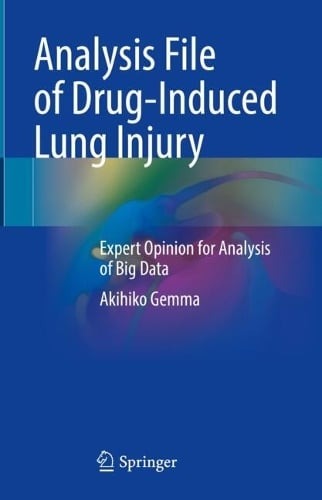
Analysis file of drug-induced lung injury : expert opinion for analysis of big data
Describes the pathologic conditions of drug-induced lung injuries, monitoring strategies, and guides on how to interpret the evidence. It also dives into particular drugs that caused the disorder, such as EGFR inhibitors, anti-EGFR antibodies, mTOR inhibitors, proteasome inhibitors, immune checkpoint inhibitors, neoangiogenesis inhibitors, and other molecular targeted drugs. It outlines the analysis and interpretation of the post-marketing survey on surveillance of each drug for inducing pulmonary lesions presenting diffuse haziness. The data and analysis from this survey are valuable since a guideline is yet to be established due to limited clinical evidence and cases. As new drugs are developed, establishing treatment and event management is crucial.
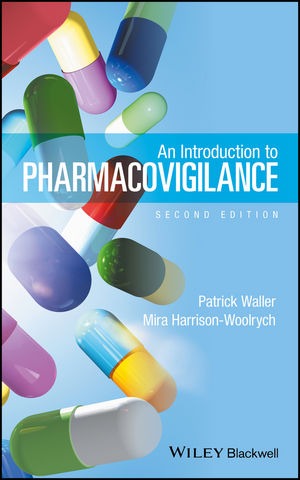
An introduction to pharmacovigilance ; 2nd ed.
Designed to aid the rapid understanding of the key principles of pharmacovigilance. Packed full of examples illustrating drug safety issues it not only covers the processes involved, but the regulatory aspects and ethical and societal considerations of pharmacovigilance. Covering the basics step-by-step, this book is perfect for beginners and is essential reading for those new to drug safety departments and pharmaceutical medicine students. The second edition is thoroughly revised and updated throughout and includes a new chapter on clinical aspects of pharmacovigilance.
Advanced Issue Resolution in Safety Pharmacology
Advanced Issue Resolution in Safety Pharmacology not only discusses unique issues that may emerge during the development of new medicines, but also provides detailed insights on how to resolve them. The book employs a valuable strategy that integrates preclinical findings with the clinical resolution of those findings. In addition, it introduces key interdisciplinary topics in an accessible and systematic format. Edited and written by leaders in the field of safety pharmacology, this book considerably advances the discussion on issue resolution topics, thus raising them to the next level of importance by providing scientists with an indispensable resource on solving safety issues.
A Risk-Benefit Perspective on Early Customer Integration
Customer integration in the early innovation phase has been considered the method of choice in theory and practice. Growing experience with the concept has shown unexpected side effects that may even outweigh its recognized advantages. Therefore, management needs to be able to assess in advance whether the involvement of customers will add overall value to each particular innovation project. To support but not to replace the final managerial decision, a mathematical formula is developed. It can be applied to all kinds of process structures, takes into account the risks and benefits contingent on a company's situation as well as risk-reducing and benefit-increasing measures and translates them into numerical values. The resulting figure indicates the prospective value of customer integration in a specific project.
