


Refine Results
Sort By
From
To

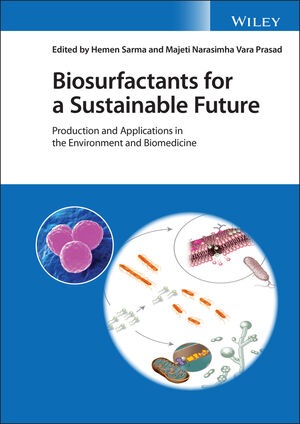
The book emphasizes the different techniques that are used for the production of biosurfactants from microorganisms and their characterization. Various aspects of biosurfactants, including structural characteristics, developments, production, bio-economics and their sustainable use in the environment and biomedicine, are addressed, and the book also presents metagenomic strategies to facilitate the discovery of novel biosurfactants producing microorganisms.
Written for industrial and academic researchers and development scientists in the life sciences industry, Bioprocessing Technology for Production of Biopharmaceuticals and Bioproducts is a guide to the tools, approaches, and useful developments in bioprocessing. This important guide: •Summarizes state-of-the-art bioprocessing methods and reviews applications in life science industries •Includes illustrative case studies that review six milestone bio-products •Discuses a wide selection of host strain types and disruptive bioprocess technologies
Beginning with an expansive introduction to the basics of biopharmaceutics and the context that underpins the field, the included resources go on to discuss how biopharmaceutics are integrated into product development within the pharmaceutical industry. Explorations of how the regulatory aspects of biopharmaceutics function, as well as the impact of physiology and anatomy on the rate and extent of drug absorption, follow.
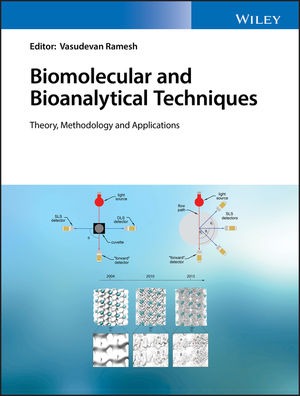
Offers an introduction to, and a basic understanding of, a wide range of biophysical techniques. The text takes an interdisciplinary approach with contributions from a panel of distinguished experts. With a focus on research, the text comprehensively covers a broad selection of topics drawn from contemporary research in the fields of chemistry and biology. Each of the internationally reputed authors has contributed a single chapter on a specific technique. The chapters cover the specific technique’s background, theory, principles, technique, methodology, protocol and applications.
Explains what pharmacists need to discuss the equivalence, efficacy, safety, and risks of biosimilars with physicians, health practitioners, and patients about Guides regulators on pragmatic approaches to dealing with these drugs in the context of rapidly evolving scientific and clinical evidence Balances scientific information on complex drugs with practical information, such as a checklist for pharmacists
A comprehensive overview and summary of recent achievements and the latest trends in bioinspired thermal materials. Following an introduction to different thermal materials and their effective heat transfer to other materials, the text discusses heat detection materials that are inspired by biological systems, such as fire beetles and butterflies. There then follow descriptions of materials with thermal management functionality, including those for evaporation and condensation, heat transfer and thermal insulation materials, as modeled on snake skins, polar bears and fire-resistant trees.
Presents the latest information on bioinformatics tools, artificial intelligence, machine learning, computational methods, protein interactions, peptide-based drug design, and omics technologies. And include bioinformatics tools for the pharmaceutical sector and the healthcare sector. Bioinformatics brings a new era in research to accelerate drug target and vaccine design development, improving validation approaches as well as facilitating and identifying side effects and predicting drug resistance. As such, this will aid in more successful drug candidates from discovery to clinical trials to the market, and most importantly make it a more cost-effective process overall.
Analytical methods are the essential enabling tools of the modern biosciences. This book presents a comprehensive introduction into these analytical methods, including their physical and chemical backgrounds, as well as a discussion of the strengths and weakness of each method. It covers all major techniques for the determination and experimental analysis of biological macromolecules, including proteins, carbohydrates, lipids and nucleic acids.
The book discusses the challenges and considerations for bioanalytical support, covering a wide range of central topics in the field, including overview and basic immunology for testing of biological therapeutics, pharmacokinetic aspects, clinical immunogenicity prediction and testing, biomarker testing, biotransformation assessment for biologics, statistical aspects of bioanalytical testing, regulatory expectations, and more
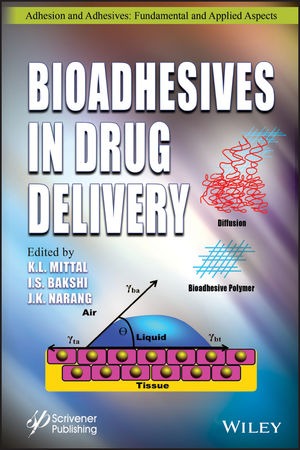
The topics covered include: Theories and mechanisms of bioadhesion; bioadhesive polymers for drug delivery applications; methods for characterization of bioadhesiveness of drug delivery systems; bioadhesive films and drug delivery applications; bioadhesive nanoparticles; and bioadhesive hydrogels and applications ocular biodhesive drug delivery systems; buccal bioadhesive drug delivery systems; gastrointestinal bioadhesive drug delivery systems ; nasal bioadhesive drug delivery systems; vaginal drug delivery systems; pulmonary bioadhesive drug delivery systems.
Appearing widely in natural products, biologically active molecules, asymmetric chemistry, and material science, axially chiral motifs constitute the core backbones of the majority of chiral ligands and organocatalysts in asymmetric catalysis. In a new work of particular relevance to synthetic chemists, Axially Chiral Compounds: Asymmetric Synthesis and Applications delivers a clearly structured and authoritative volume covering the classification, characteristics, synthesis, and applications of axial chirality.

In Asymmetric Organo-Metal Catalysis: Concepts, Principles, and Applications, accomplished chemist Liu-Zhu Gong delivers a comprehensive discussion of how to design efficient organo/metal combined catalyst systems, new cooperatively catalyzed asymmetric reactions, relay catalytic cascades, and multicomponent reactions. The distinguished author covers critical topics, like the combined catalysis of chiral phase transfer catalysts, enamine, iminium, nucleophilic Lewis base, or Bronsted acids with metal complexes, while also covering the cooperative catalysis of photocatalysts and organocatalysts.
Collects the major progress in the field of enantioselective one-, two-, and multicomponent domino reactions promoted by chiral metal catalysts. It clearly illustrates how enantioselective metal-catalyzed processes constitute outstanding tools for the development of a wide variety of fascinating one-pot asymmetric domino reactions, thereby allowing many complex products to be easily generated from simple materials in one step. The book also strictly follows the definition of domino reactions by Tietze as single-, two-, as well as multicomponent transformations.
Details its complex subject matter clearly and plainly and covers everything from catalyst development and reactions to mechanisms and applications in academia and industry. The papers included within come from many of the leading voices in their respective fields and represent the newest and best research available today.
It is a guide to new techniques and approaches to identifying and characterizing small molecules in early drug discovery. Biophysical methods are reasserting their utility in drug discovery and through a combination of the rise of fragment-based drug discovery and an increased focus on more nuanced characterisation of small molecule binding, these methods are playing an increasing role in discovery campaigns.
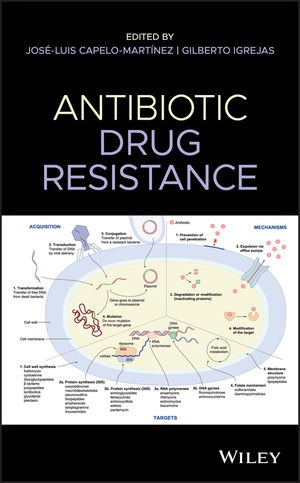
This book presents a thorough and authoritative overview of the multifaceted field of antibiotic science – offering guidance to translate research into tools for prevention, diagnosis, and treatment of infectious diseases.
The book discusses the conventional analyses for oil and natural gas feeds, along with their limitations. It offers detailed descriptions of advanced analytical techniques that are commercially available, plus explanations of gas and oil industry equipment and instrumentation. You’ll find technique descriptions supplemented with a list of references as well as with real-life application examples. With this book as a reference, you can prepare to apply specific analytical methods in your organization’s lab environment. Analytical Techniques can also serve as your comprehensive resource on key techniques in the characterization of oil and gas samples, within both refinery and environmental contexts.

Analytical Techniques in Forensic Science is a comprehensive guide written in accessible terms that examines the interface between analytical chemistry and trace evidence in forensic science. With contributions from noted experts on the topic, the text features a detailed introduction analysis in forensic science and then subsequent chapters explore the laboratory techniques grouped by shared operating principles. For each technique, the authors incorporate specific theory, application to forensic analytics, interpretation, forensic specific developments, and illustrative case studies.
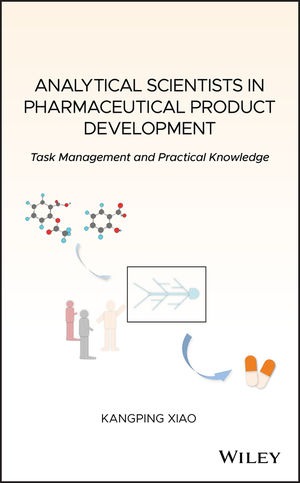
Explains task management concepts and outlines practical knowledge to help pharmaceutical analytical scientists become productive and enhance their career. •Presents broad topics such as product development process, regulatory requirement, task and project management, innovation mindset, molecular recognition, separation science, degradation chemistry, and statistics. •Provokes thinking through figures, tables, and case studies to help understand how the various functions integrate and how analytical development can work efficiently and effectively by applying science and creativity in their work. •Discusses how to efficiently develop a fit-for-purpose HPLC method without screening dozens of columns, gradients, or mobile phase combinations each time, since the extra effort may not provide enough of a benefit to justify the cost and time in a fast-paced product development environment.
Designed to aid the rapid understanding of the key principles of pharmacovigilance. Packed full of examples illustrating drug safety issues it not only covers the processes involved, but the regulatory aspects and ethical and societal considerations of pharmacovigilance. Covering the basics step-by-step, this book is perfect for beginners and is essential reading for those new to drug safety departments and pharmaceutical medicine students. The second edition is thoroughly revised and updated throughout and includes a new chapter on clinical aspects of pharmacovigilance.

Daraa Highway - Ghabagheb - Syria
+963-15 2050 - 15 860 380 /1/2/3 - 11 662 3900