


Refine Results
Sort By
From
To

Takes into account the great impact of new technology on clinical practice for mass liver lesions. Its findings reflect a consensus meeting of experts assembled in order to develop guidelines for the use of ultrasound contrast agents in the diagnosis of liver diseases.
There have been many different brands of dermal fillers approved for use for soft tissue augmentation in the US market alone, comprising four different types of temporary fillers and one permanent type, with several other brands and types also available elsewhere in the world. Against such a potentially bewildering variety and range of choices, this new text offers a scientific and an anatomic rationale for why a particular filler should be selected as optimal for each individual location and indication and how it should best be used in treatments. International experts share their clinical knowledge and expertise to guide all levels of aesthetic practitioners toward the best results for each individual patient.
Contains the latest results of clinical and pharmacological research on Acetylsalicylic acid, addressing the multiple pharmacological properties of this famous drug with a balanced view on their translation into clinical practice, including prevention and treatment of cardiovascular diseases, thromboinflammation and colorectal cancer. Understandable for clinicians, pharmacists, biomedical researchers and pharmacologists alike.
Explains the core procedures in dentistry, how to do them, and the rationale that underpins them. Full of useful and easy-to-access information, it acts as a compendium of practical procedures in primary dental care, supporting students and dental practitioners in their daily professional and academic lives. This manual is a complete, practical guide to the delivery of effective, state of the art oral healthcare—the ‘what, when, and how’ of clinical practice. It compiles chapters written by expert clinicians on topics such as dental imaging, the management of dental pain, conscious sedation, operative dentistry, implant dentistry, oral medicine and surgery, paediatric dentistry, periodontics, prosthodontics, special care dentistry, dental trauma, aesthetic dentistry, and much more.
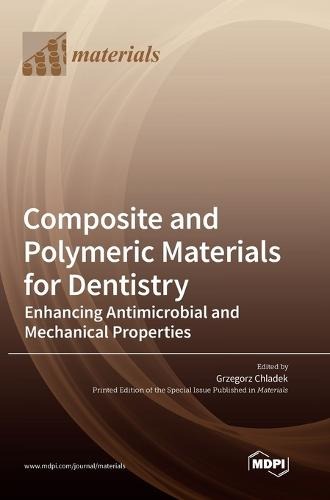
Focuses on enhancing antimicrobial and mechanical properties of polymeric materials and composites for dentistry. In recent years, special attention has been focused on the possibility of giving materials new or improved properties by the introduction of nano or submicron size additives, fibers or whiskers. Another area of research is the application of antibacterial monomers, which can be copolymerized in resins to kill oral pathogenic microflora. In addition, we are currently looking for new data regarding colonization of dental materials by pathogenic microbes and their influence on the other properties. Further, there are many new commercially available materials which should be investigated to verify their properties, which is important from the point of view of clinical practice. Original new research and reviews related to any of the topics mentioned above indicate the current directions of development of dental materials.
Presents the most current and comprehensive review of oral anatomy for clinicians and researchers alike. In 26 chapters, the reader is taken on a unique anatomical journey, starting with the oral fissure, continuing via the maxilla and mandible to the tongue and floor of the mouth, and concluding with the temporomandibular joint and masticatory muscles. Each chapter offers a detailed description of the relevant anatomical structures and their spatial relationships, provides quantitative morphological assessments, and explains the relevance of the region for clinical dentistry. All dental health care professionals require a sound knowledge of anatomy for the purposes of diagnostics, treatment planning, and therapeutic intervention. A full understanding of the relationship between anatomy and clinical practice is the ultimate objective, and this book will enable the reader to achieve such understanding as the basis for provision of the best possible treatment for each individual patient as well as recognition and comprehension of unexpected clinical findings.
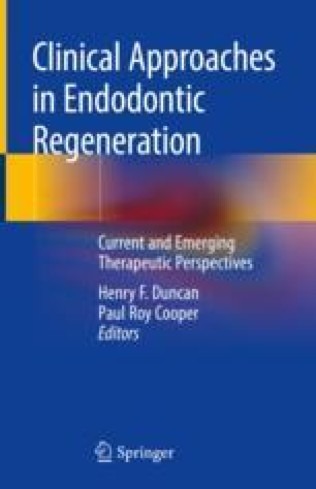
This book combines explanation of the scientific base underpinning vital pulp treatment with description of current and emerging trends in clinical practice. It guides the reader through modern views on pulp diagnostics, deep caries, and pulp exposure management, leading to an analysis of the biological aspects of regenerative techniques such as angiogenesis, neurogenesis, inflammation, and epigenetics.
Dedicated to all relevant aspects of bulk fill materials and their uses in clinical practice. Today, we count over 30 different bulk fill materials, which can be used in the dental clinic. The composition of bulk fill materials and their different modes of application for moderate to large direct resin restorations placement are explained in this book. It is written by a group of international specialists and allows the reader to evaluate available materials, learn predictable techniques and evaluate long term survival as well as future developments. The book covers all fields related to the history of bulk fill composites, their composition and physical properties, and a step by step guide to their successful clinical applications.

This excellently illustrated book aims to equip dentists, oral surgeons, and trainees with the detailed knowledge of anatomical variations in the oral region that is now required for optimal daily clinical practice.
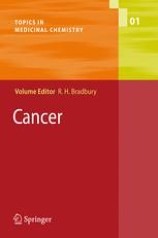
The last decade has seen a dramatic shift in anticancer drug research towards agents that aim to target selectively key regulatory and signaling processes known to drive tumorigenesis. A number of these newer agents have now been introduced into clinical practice. This volume reviews advances in cancer chemotherapy research over the last 10 years and will be of interest to scientists engaged in drug research in the pharmaceutical industry, biotechnology and startup companies, academia and government institutions. Chapters written by leading experts in their field reflect a range of current medicinal chemistry approaches to small molecule drugs, including anti-hormonal therapy, growth factor inhibition, survival signaling, cell cycle inhibition, anti-angiogenics and anti-nvasives. Each chapter aims to cover the drug target and biological rationale, chemotypes, clinical status and future prospects in this rapidly developing area of drug research.

Daraa Highway - Ghabagheb - Syria
+963-15 2050 - 15 860 380 /1/2/3 - 11 662 3900