


Refine Results
Sort By
From
To

Offering a compelling personal account of his life in architecture as an influential postmodern designer, architect-planner and principal of a leading global practice, this autobiography includes anecdotes and invaluable insights into Terry’s life and work from the 1940s to the present day. An inside view of what it’s like to be an architect at the top of his profession, this book also highlights what it takes to develop a successful international practice. Offers the inside view of what it is like to be an architect at the top of his profession, including insights into the defining projects and watershed moments of Sir Terry Farrell's career Provides the inside story on some of Terry Farrell’s most significant buildings and projects, including Charing Cross Station, The MI6 Building, Alban Gate and Beijing South Railway Station. Abundantly illustrated with over 80 images, including personal photos and images of key buildings.
The visualization of light in space, its effect on model cubature and scenery, is one of the great challenges in architectural rendering. This is a decisive reason for the use of 3D tools – both for architecture offices and students. This volume features a number of exercises that enable the reader to learn how to light architecture models correctly. Complete virtual 3D scenarios are included that allow for the step-by-step construction of a lighting set up with the help of Cinema 4D® software that creates a realistic spatial impression. The tutorials are complemented by a chapter on the use of Cinema 4D®, importing CAD models and light sources as well as shadow types, which have been revised and expanded in the 9.5 and 10 version.
How can poetry embrace morality through focusing on metaphrasts? What is the relation between an allummette and the alpha rhythm? Why is it that money has turned into a metonym of goodness and success? And above all, is it still possible to think of the human subject as a viable category in late modernity? These are some of the questions that J.
Shows readers a path to improve their project delivery via the application of lean concepts and process management. Authors Michael Czap and Gregory Buchanan challenge readers to reexamine their approach to architectural practice and projects by presenting a unique and compelling alternative. Readers will learn to: Maximize the use of their resources to deliver superior results in less time / Minimize waste, cost, and inefficiency in their firm’s operations / Move between radically different project scales while retaining efficient and effective processes
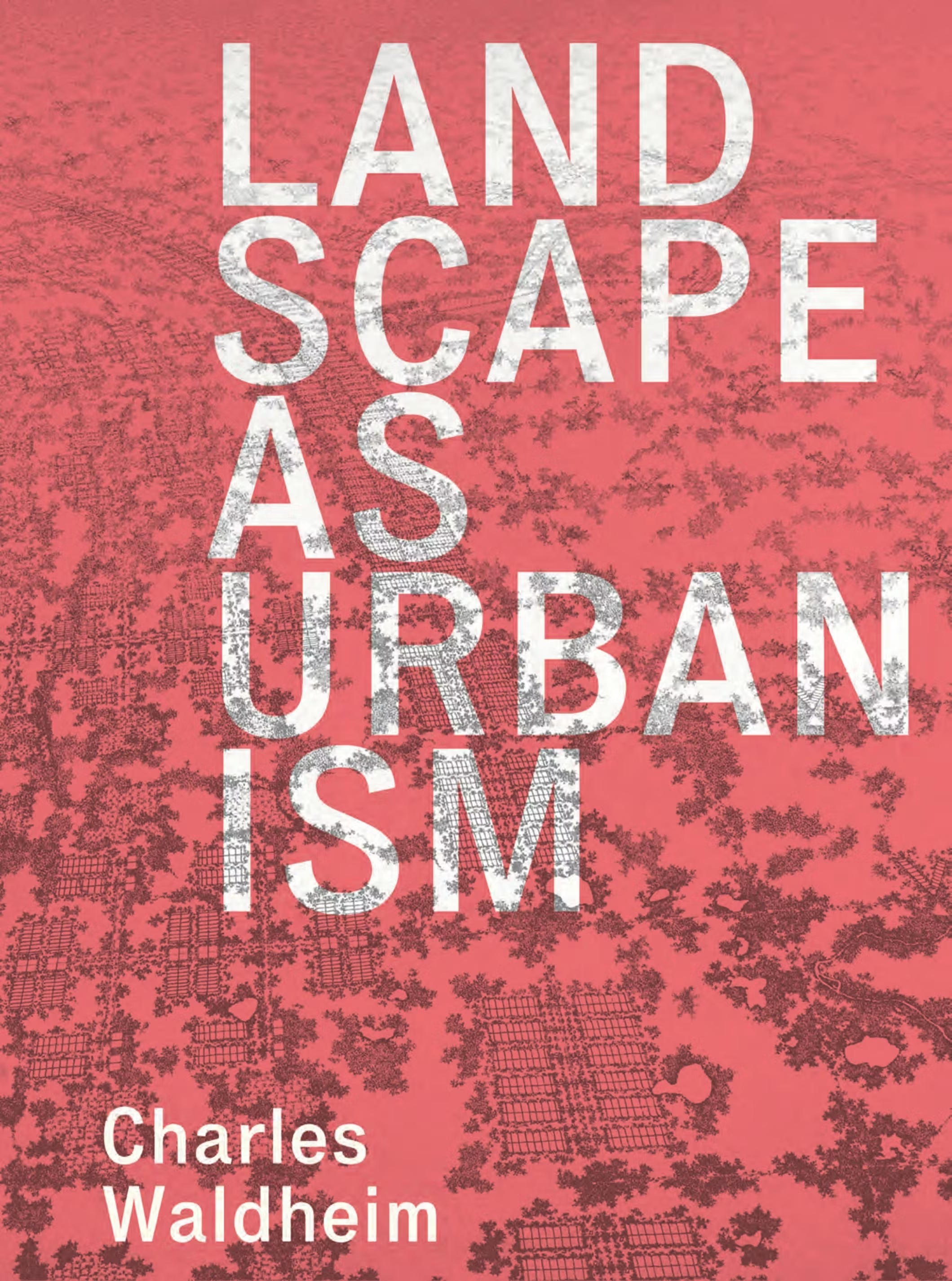
Traces the roots of landscape as a form of urbanism from its origins in the Renaissance through the twentieth century. Growing out of progressive architectural culture and populist environmentalism, the concept was further informed by the nineteenth-century invention of landscape architecture as a "new art" charged with reconciling the design of the industrial city with its ecological and social conditions. In the late twentieth and early twenty-first centuries, as urban planning shifted from design to social science, and as urban design committed to neotraditional models of town planning, landscape urbanism emerged to fill a void at the heart of the contemporary urban project.
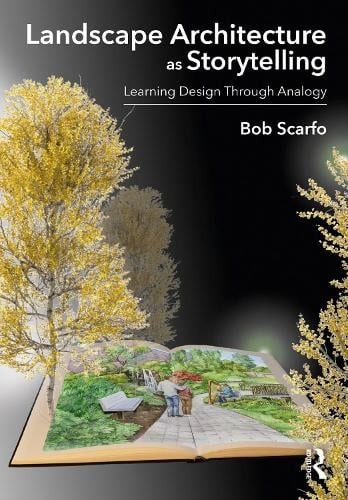
Introduces a comfortable approach to learning landscape architectural design free of design jargon and derived from their existing knowledge. A step-by-step process has readers consider their knowledge of language as metaphorically related to basic design and landscape design. Through information delivery and questioning processes, readers build on what they already know, their tacit understanding of language as applied to problem solving and storytelling. Everyone is a storyteller.
the first full-length monograph on the work of this enormous talent. Included are all of Kuma's most recent projects, including the Museum of Ando Hiroshige, the Stone Museum, the Horai Onsen Bath House in Atami, Louis Vuitton Tokyo Headquarters, and the Nagasaki Prefectural Museum.
Ken Smith is one of the most interesting voices in landscape architecture today. His works reflect the intensity and energy of their surroundings and challenge the distinction between landscape and art. Ken Smith Landscape Architect/Urban Projects focuses on three prominent works in New York City: the East River Ferry Landings, P.S. 19, and a roof garden for the Museum of Modern Art. Featuring an interview with Ken Smith and extensive photographic documentation and drawings, as well as an essay by Nina Rappaport and a foreword by Peter Reed, the book reveals how each project expresses new relationships between landscape and place within the city
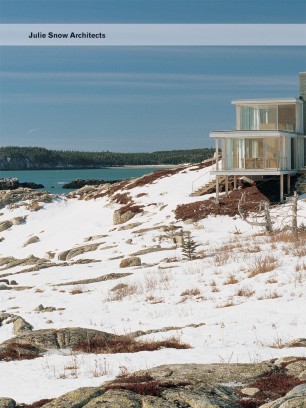
This, the first monograph on Snow's work, provides in depth documentation of 14 of her residential, institutional, corporate, and public projects, including the Koehler Residence in New Brunswick, Canada, a series of Minneapolis Light Rail Stations, the Minnesota Children's Museum, and the University of South Dakota School of Business.
Iron filings under the influence of a magnetic field. The appearance of James Carpenter’s work is serene. It gives the impression, however, that _ something new will happen amidst its supposed serenity, and that other forces apart from those _ already apparent are about to enter its field. The work produces an inhabited depth, by shifting emphasis away from the visual registers of perception, towards multiple engagements of a subject, her/his spatial constructs, and their resulting environment.
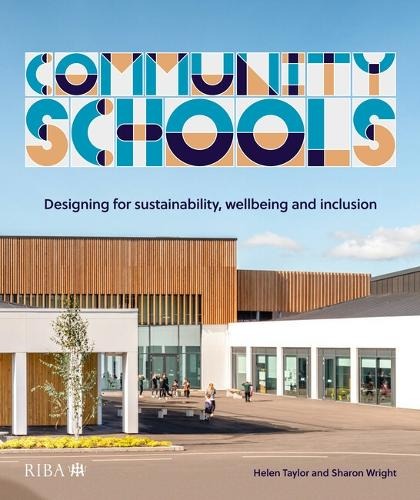
Reconsiders what is required from physical school environments, building on the learning gathered from the sector over the past two decades. To meet the new social, environmental and economic challenges it advocates designing differently, both in terms of the form that buildings take and the evaluation of their impact and performance. By calling for a reframing of the way that schools are regarded as community-wide amenities, this book explores the potential for architects to deliver design in a manner that supports healthy lifestyles and promotes wellbeing. Through encouraging social connections, new possibilities open up for educational facilities to become open, welcoming and inclusive. Featuring: Over 12 international case studies from practices including: Architype, Argyll + Bute, Bogle Architects, DRMM, Revaerk, Scott Brownrigg and XDGA. Key themes of wellbeing, connectivity, inclusion, indicators and evaluation. Practical guidance and learning points throughout. A new design brief for community schools
Based on a history of climate control on urban scales, it promotes the integration of indoors and outdoors in order to reduce environmental and thermal loads in cities. Just as heating and cooling practices inside the buildings are affecting the (urban) climate outdoors, urban heat islands are influencing the energy requirements and thermal conditions inside the buildings. While the first part of the book focuses on the interwar period in Europe, the publication’s second part considers examples from all over the globe, tracing the growing significance of ecological thinking for the design of urban environments.
Provides a comparative perspective on housing and planning policies affecting the future of cities, focusing on people- and place-based outcomes using the nexus of planning, design and policy. A rich mosaic of case studies features good practices of city-led strategies for affordable housing provision, as well as individual projects capitalising on partnerships to build mixed-income housing and revitalise neighbourhoods. Twenty chapters provide unique perspectives on diversity of approaches in eight countries and 12 cities in Europe, Canada and the USA.
The book details how these crises have led to a new urban vision—from avantgarde modern design to an artisan aesthetic that calls for simplicity and the everyday, from the sustainable development paradigm to a resilient vision that defends de-growth and the re-wilding of cities, from a homogenizing globalism to a new localism that values what is distinctive and nearby, from the privatization of the public realm to the commoning and self-governance of urban resources, and from top-down to bottom-up processes based on the engagement and empowerment of communities.
How the science of urban planning can make our cities healthier, safer, and more livable
Connects the study of design with care, and explores how concepts of care may have relevance for the ways in which urban environments are designed. It explores how practices and spaces of care are sustained specifically in urban settings, thereby throwing light on an important arena of care that current work has rarely discussed in detail.
For a number of years, the healthy and environment-friendly building material earth, in common use for thousands of years, has been enjoying increasing popularity, including in industrialized nations. In hot dry and temperate climate zones, earth offers numerous advantages over other materials. Its particular texture and composition also holds great aesthetic appeal.
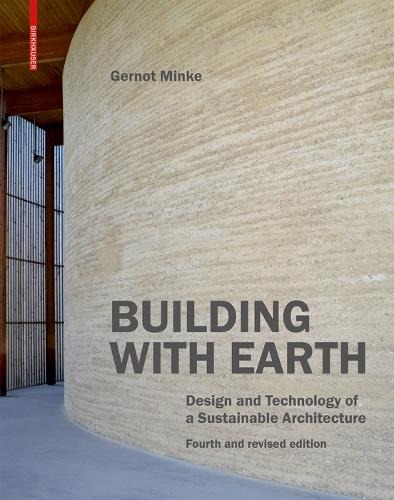
Offers a practical systematic overview of the many uses of earth and techniques for processing it. Its properties and physical characteristics are described in informed and knowledgeable detail. The presentation reflects the rich and varied experiences gained over thirty years of building earth structures all over the world. Numerous photographs of construction sites and drawings show the concrete execution of earth architecture. Documentation of 30 international earth buildings. The characteristics of the building material earth and its applications in modern architecture
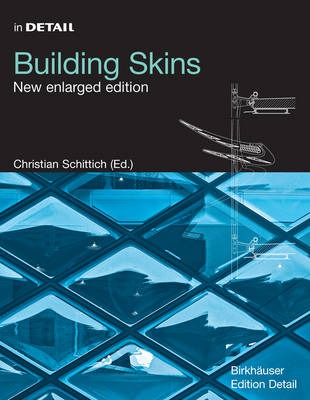
Focuses on the wide-ranging aspects of facade design, from the selection and use of materials to the advanced technical possibilities now open to the architect. A wide array of carefully selected international examples show the theory in the practice.
presents a comprehensive and systematic overview of the subject. It provides a working definition of building performance, and an in-depth discussion of the role building performance plays throughout the building life cycle. The book also explores the perspectives of various stakeholders, the functions of buildings, performance requirements, performance quantification (both predicted and measured), criteria for success, and the challenges of using performance analysis in practice. Assembles the current body of knowledge on building performance analysis in one unique resource Offers deep insights into the complexity of using building performance analysis throughout the entire building life cycle, including design, operation and management Contributes an emergent theory of building performance and its analysis

Daraa Highway - Ghabagheb - Syria
+963-15 2050 - 15 860 380 /1/2/3 - 11 662 3900