



Page 146
Page 146

Foot and ankle in rheumatoid arthritis
This book broaches the theme of the most recent medicinal treatments, that of orthoses, made-to-measure shoes (the prescription of which practitioners and the rheumatologists often hand over to the orthopaedic surgeons), and finally that of local injections. These elements constitute the main treatment of the rheumatoid foot. Taking care of the ill subject does not necessarily stop there and a surgeon may need to operate on the forefoot, which is more common, or on the mid-foot or the ankle.

Food-Borne Parasitic Zoonoses : Fish and Plant-Borne Parasites
The focus of this book is on those zoonoses that are transmitted by fish, plant and invertebrate foods. While people, especially those living in developed countries, are commonly aware of meat-borne zoonoses such as trichinellosis and cysticercosis, fewer are acquainted with parasitic diseases caused by liver, lung and intestinal flukes, fish-borne tapeworms, and tissue roundworms. This book reviews not only the prevalence and distribution of these zoonoses, including available health and economic impact data, but also highlights gaps in our knowledge base that must be filled in order to gain insights on approaches to prevention. The topics on epidemiology, diagnosis, and clinical aspects emphasize knowledge gaps that limit a full understanding of these zoonoses, and target where greater research investments on these parasitic diseases should be focused.

Foodborne Microbial Pathogens : Mechanisms and Pathogenesis
The author presents up-to-date information on molecular and cellular mechanism of several major foodborne microbial pathogens, including select agents for bioterrorism, virulence genes and their regulation in the host or the food environment, pathogenicity testing models, clinical symptoms, and prevention and control strategies. In order to understand the disease process, one must have certain understanding about the role of the immune system. Thus this book also covers the host parasite interaction to a level where the readers will have a better appreciation for the disease mechanism.

Foodborne Diseases
In Foodborne Diseases, leading authorities present a broad overview of the microbial pathogens and toxins associated with foodborne illness while discussing pathogenicity, clinical epidemiology, diagnosis, and treatment. The chapters of this volume cover a wide variety of bacterial pathogens, viruses, protozoans, and parasites, as well as microbial toxins, and also address alternatives to antibiotics, risk assessment, irradiation and other sanitation procedures, and molecular techniques for detecting foodborne pathogens. Additionally, the acclaimed authors discuss pathogen control strategies and look toward future innovations in food safety technology. Covering essential foodborne pathogens, assessment and treatment, Foodborne Diseases is an essential reference for infectious disease specialists, microbiologists, and industrial and research-based scientists in food safety.

Food Safety Culture : Creating a Behavior-Based Food Safety Management System
Food safety awareness is at an all time high, new and emerging threats to the food supply are being recognized, and consumers are eating more and more meals prepared outside of the home. Accordingly, retail and foodservice establishments, as well as food producers at all levels of the food production chain, have a growing responsibility to ensure that proper food safety and sanitation practices are followed, thereby, safeguarding the health of their guests and customers. Achieving food safety success in this changing environment requires going beyond traditional training, testing, and inspectional approaches to managing risks. It requires a better understanding of organizational culture and the human dimensions of food safety. To improve the food safety performance of a retail or foodservice establishment, an organization with thousands of employees, or a local community, you must change the way people do things. You must change their behavior. In fact, simply put, food safety equals behavior.

Food Safety and Ways to Prevent Life-Threatening Pollutants
The fears regarding food safety started long time ago, and till this very moment of ours, the international organizations and INGOs pay lots of hard work to minimize and achieve reduction in the effects and the suffering caused to people around the world by contaminated foods each year. This research talks about the main patterns of food contaminants, and they are chemical, physical, biological, and last but not least the contamination caused by radioactive substances. It is also important to talk about the methods of precaution and protection against the diseases and illnesses produced by contaminated foods, as well about the role of INGOs which are dedicated and specialized in law and regulations enactment for bounding the incidence of food contamination in the world, for raising the public awareness towards food safety, and to keep up with the latest updates of events. This research also contains vast Information about Covid-19 and its spreading process via contaminated food.

Food preservation and safety of natural products
Food Preservation and Safety of Natural Products addresses the most common causes of food spoilage that create significant loss to global food production while also discussing how food serves as a vehicle for the transmission of pathogenic microorganisms responsible for mild to debilitating health conditions in humans. The book provides essential information for food safety professionals on issues relating to foodborne diseases and offers potential solutions by presenting various methods of incorporating natural products in food production to prevent the spread of foodborne pathogenic organisms. The demand for green consumerism and consumers general distaste for synthetic food additives poses a serious challenge to food safety and preservation. Natural products are used as green and sustainable source of bioactive compounds that can be applied in various fields including food. The use of plant and other natural products in food preservation is on the rise, hence this book reviews microbial mediated food spoilage, foodborne pathogens and food contamination and offers applications of natural products in food preservation.

Food lens = فود لينس
Food lens is an innovative application designed to revolutionize dietary management by leveraging advanced image recognition and nutritional analysis. The primary objective of this senior project is to develop a user-friendly tool that identifies various foods through a camera interface and provides detailed nutritional information. This application not only enhances the user's understanding of their dietary intake but also assists in achieving personalized health and fitness goals. The core functionality of Food Lens involves the integration of a robust image recognition system capable of accurately identifying a wide range of foods. Upon identification, the application retrieves comprehensive nutritional data, including calorie content, macronutrient distribution (proteins, fats, carbohydrates), and essential micronutrients (vitamins and minerals). This data is then seamlessly integrated into the user's dietary profile. Food Lens is designed to track the user's daily caloric intake and compare it against personalized recommendations based on age, gender, weight, height, and activity level. By maintaining a dynamic record of consumed foods, the application provides real-time feedback on the user’s nutritional progress. This feature is particularly beneficial for individuals aiming to manage weight, address dietary restrictions, or improve overall health.

Food irradiation
Treatment of food by specific ionizing radiations to improve microbiological safety and storability is one of the most extensively studied technology of the XXth century. However, much of the research has been carried out in laboratories and it is still relatively underutilized commercially. Its application potential is very diverse, from inhibition of sprouting of tubers and bulbs to production of commercially sterile food products. The safety of consumption and wholesomeness of irradiated food have been extensively studied in international cooperations. Numerous international expert groups set up jointly by the FAO, the IAEA and the WHO, or the Scientific Committee on Food of the European Commission concluded that foods irradiated with appropriate technologies are both safe and nutritionally adequate. A Codex General Standard for Irradiated Foods and a Recommended International Code of Practice for Radiation Processing of Food have been developed.

Food Emulsifiers and Their Applications
Thoroughly revised and updated, the second edition of Food Emulsifiers and their Applications integrates theoretical background with practical orientation and serves as the definitive reference on subject. It offers practitioners an overview of the manufacture, analysis, physical properties, interactions and applications of emulsifiers used in processed food. Written for food technologists as well as R & D and product development personnel, begins with the design and preparation of emulsifiers (including interactions with other food ingredients), which leads in to product categories, including dairy, infant nutrition, bakery, confectionery, and margarine, followed by nutrition improvement and processing techniques.
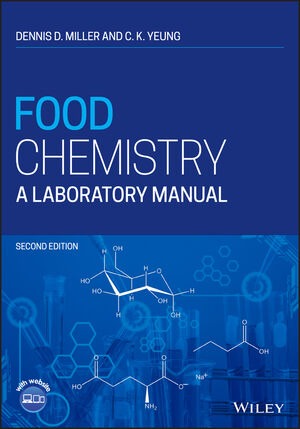
Food chemistry : A laboratory manual
FOOD CHEMISTRY A manual designed for Food Chemistry Laboratory courses that meet Institute of Food Technologists undergraduate education standards for degrees in Food Science Every chapter offers introductory summaries of key methodological concepts and interpretations of the results obtained from food experiments. The book provides a supplementary online Instructor’s Guide useful for adopting professors that includes a Solutions Manual and Preparation Manual for laboratory sessions.
Food biotechnology
This work, with only six chapters, covers a fraction of the vast area of food biotechnology … . the detailed information included in each chapter is meticulously referenced and complete. … the chapters are well written and easy to understand. The many examples used by the authors give the book a very practical feel, making it an easier read than one might expect.

Food basket = السلة الغذائية
يقع المشروع في الحي الشرقي من المدينة وهو المدخل للمدينة من جهة انخل وطريق دمشق، مما يتيح له وصول سهل كونه على علاقة شبه مباشرة مع أوتوستراد جاسم الرئيسي وأيضا وجود المشروع على اطراف المدينة يؤمن عدم اﻻزعاج للسكان وزيادة اﻻزدحام وأيضا يرتبط المشروع بأحياء المدينة عبر طرق رئيسة تؤمن الوصول ﻷصحاب محال البيع بالتجزئة او المستهلكين بشكل سلس وسريع

Food Anxiety in Globalising Vietnam
This book approaches the anxieties inherent in food consumption and production in Vietnam. The country’s rapid and recent economic integration into global agro-food systems and consumer markets spurred a new quality of food safety concerns, health issues and distrust in food distribution networks that have become increasingly obscured. This edited volume further puts the eating body centre stage by following how gendered body norms, food taboos, power structures and social differentiation shape people’s ambivalent relations with food. It uncovers Vietnam’s trajectories of agricultural modernisation against which consumers and producers manoeuvre amongst food self-sufficiency, security and abundance. It provides social science perspectives on anxieties related to food and surrounding discourses that travel between the local and the global, the individual and society and into the body. Therefore, the book’s lens of food anxiety matters for social theory and for understanding the embeddedness and discontinuities of food globalizations in Vietnam and beyond.

Food and behavior
The effect of nutrition on behavior is one of the new topics that nutritionists are discussing at the present time. They have proven that there is a clear relationship between food, behavior and decisions. The aim of this research is to shed light on this new aspect of nutriti onal science, as we are presenting in this project some of the experiments, researches and statistics that scientists have reached and referred to this effect.

Food allergies processing technologies for allergenicity reduction
Provides an authoritative source of information on the relationship between food processing technologies and food allergens with a greater variety of studied allergens including peanuts, tree nuts, cow’s milk, eggs, sesame, lupine, soy, wheat, mustard, mushroom, fish and shellfish, as well as the importance of processing these when producing hypoallergenic foods.

Food allergens : methods and protocols
Provides a comprehensive collection of methods and protocols in food allergy and food allergens studies. The selected protocols explore the study of food allergens, from recombinant production, purification procedures, IgE and T cell epitopes characterization, to allergen structure description, cellular responses, and tolerance induction, through a variety of techniques and animal models.

Food addiction
This approach acknowledges the apparent parallels between substance use disorders and overeating of highly palatable, high-caloric foods. Although this idea seems to be relatively new, research on food addiction actually encompasses several decades, a fact that often remains unrecognized. Scientific use of the term addiction in reference to chocolate even dates back to the 19th century. In the 20th century, food addiction research underwent several paradigm shifts, which include changing foci on anorexia nervosa, bulimia nervosa, obesity, or binge eating disorder. Thus, the purpose of this review is to describe the history and state of the art of food addiction research and to demonstrate its development and refinement of definitions and methodologies

Food - drug interactions
The effect of drug on a person may be different than expected because that drug interacts with another drug the person is taking (drug-drug interaction), food, beverages, dietary supplements the person is consuming (drug-nutrient/food interaction) or another disease the person has (drug-disease interaction). A drug interaction is a situation in which a substance affects the activity of a drug, i.e. the effects are increased or decreased, or they produce a new effect that neither produces on its own. These interactions may occur out of accidental misuse or due to lack of knowledge about the active ingredients involved in the relevant substances. Regarding food-drug interactions physicians and pharmacists recognize that some foods and drugs, when taken simultaneously, can alter the body's ability to utilize a particular food or drug, or cause serious side effects.

Foliations and Geometric Structures
Offers basic material on distributions and foliations. This book introduces and builds the tools needed for studying the geometry of foliated manifolds. Its main theme is to investigate the interrelations between foliations of a manifold on the one hand, and the many geometric structures that the manifold may admit on the other hand.
