



Page 11
Page 11

Anaesthesia, pain, intensive care and emergency medicine - A.P.I.C.E. ; Proceedings of the 19 th Postgraduate Course in Critical Care Medicine. Trieste, Italy - November 12-15, 2004
APICE 2004 has been organised to provide precise answers to these issues. In particular, considerable emphasis has been given to the reviews regarding the most important aspects - or the most significant clinical developments - in the sectors involving variety of functions: neurological, respiratory and cardiovascular, gastrointestinal, metabolism and perfusion; trauma infections, sepsis and organ failure; perioperative medicine and life support techniques; information technology dedicated to clinical medicine, but also as a means of information and education.
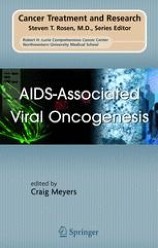
AIDS-Associated Viral Oncogenesis
AIDS-associated viral oncology is a significant healthcare problem. Since the identification of human immunodeficiency virus (HIV)-associated acquired immune disease syndrome (AIDS), the role of viruses in human cancers has become acutely apparent over the past twenty years. The understanding and treatment of AIDS-associated cancers has become a major concern among healthcare organizations. Human cancers that were once rare in the population have now become common within the HIV infected population.
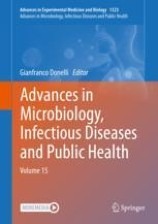
Advances in Microbiology, Infectious Diseases and Public Health ; Vol.15
Focuses on current progress in the broad field of medical microbiology, and covers both basic and applied topics related to the study of microbes, their interactions with human and animals, and emerging issues relevant for public health. Original research and review articles present and discuss multidisciplinary findings and developments on various aspects of microbiology, infectious diseases, and their diagnosis, treatment and prevention.
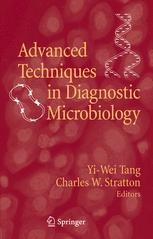
Advanced Techniques in Diagnostic Microbiology
The book is divided into two sections. The first techniques section covers the principles and characteristics of techniques ranging from rapid antigen testing, to advanced antibody detection, to in vitro nucleic acid amplification techniques, and to nucleic acid microarray and mass spectrometry. Sufficient space is assigned to cover different nucleic acid amplification formats that are currently being used widely in the diagnostic microbiology field. Within each technique, examples are given regarding its application in the diagnostic field. Commercial product information, if available, is introduced with commentary in each chapt
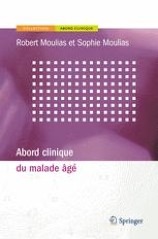
Abord clinique du malade âgé = Clinic Approach for the Elderly Patient
The general practitioner and the specialists are brought to examine a growing number of elderly or very old patients. Until now, they have hardly been prepared for this very special clinical approach where each symptom can relate to several causes, where the diseases are almost always multiple, symptomatic, or ready to reveal themselves by a complication, where a diagnosis can be. hide another, where a history - key to the diagnosis - may have been forgotten or concealed.

A Closer Look at Antibiotic Resistance
Bacterial infections have become more difficult, and sometimes impossible, to treat due to antibiotic resistance, which occurs when bacteria develop the ability to defeat the available drugs designed to kill them. According to the Centers for Disease Control and Prevention, each year, 2 million Americans become sick with antibiotic-resistant infections, and of that, about 23,000 die. This book examines the challenges related to antibiotic resistance, the development and use of diagnostic testing to identify antibiotic resistance, the development of treatments for resistant infections, and appropriate antibiotic use.

35th Hemophilia Symposium Hamburg 2004 ; epidemiology ; risk of infections and inhibitors in hemophilia ; chronic lic synovitis and long-term results of orthopedic treatment ; laboratory diagnostics : coagulation factors ; inhibitors, monitoring ; pediatric hemostaseology ; Free Lectures
Motion analysis as introduced 2 years ago on a national basis effectively identifies individual functional disorders and provides a means for describing them on the basis of a score. Individual therapy planning is possible. More treatment tends to produce better function scores and thus helps to lower the strain on the joint.
