


Refine Results
Sort By
From
To

Mass immunization is the blitzkrieg of vaccination practice. It serves to rapidly protect populations, both because of the high coverage achieved and because of the herd immunity thereby induced. However, as in war, mass immunization campaigns must be conducted intelligently, with careful strategy and strong attention to logistics of supply and deployment. If conducted badly, mass immunization may fail or even be counter-productive. In this volume, some of the most successful practitioners of mass im- nization tell us about its art and science. David Heymann and Bruce Aylward of WHO begin the book with a theoretical and practical overview of mass immunization. Michael Lane, who participated in the successful effort to eradicate smallpox relates how this was done using mass vaccination and other strategies. Application of mass immunization by the US military is c- ered by John Grabenstein and Remington Nevin, who have a large experience in these matters. Karen Noakes and David Salisbury recount the striking s- cesses of mass immunization in the United Kingdom. The global control of the clostridia that produce diphtheria toxin is described by Charles Vitek. Hepa- tis A is decreasing dramatically under the impact of large-scale vaccination, as Francis André illustrates. The French experience with Hepatitis B vac- nation has been mixed, and François Denis and Daniel Levy-Bruhl explain the circumstances. In?uenza vaccination is an annual example of large-scale campaigns, the complexity of which is recounted by Benjamin Schwartz and Pascale Wortley.
Marine, coastal and wetland habitats are threatened, not only through exploitation, but also by the prospect of climate change – as ocean currents change course, sea levels rise, and rainfall patterns change. Even the once-common cod is now under threat from the combined effects of over-fishing and a dramatic change-induced decrease in the plankton that cod larvae feed on. Meanwhile, coral reefs remain especially vulnerable to rapid sea-level changes exacerbated by the effects of tourism and disease. This book gathers together a wide range of papers reporting on key research into the biodiversity conservation of these critical and increasingly threatened habitats. Collectively these papers provide a snap-shot of the types of problems they are experiencing, and offer a wealth of topical examples which render this volume especially valuable to teachers of courses in marine, freshwater and wetlands ecology, biological conservation and ecological restoration.

Presents the most comprehensive and up to date review of research on lentil production systems, biotic and abiotic stresses management, quality seed production, storage techniques and lentil growing around the world. This book will be of great value to legume breeders, scientists, nutritionists, academic
Help students navigate the complex discipline of biochemistry with a clear and coherent presentation. Renowned authors David Nelson, Michael Cox, and new co-author Aaron Hoskins have focused this eighth edition around the fundamental principles to help students understand and navigate the most important aspects of biochemistry. Text features and digital resources in the new Achieve platform emphasize this focus on the principles, while coverage of recent discoveries and the most up-to-date research provide fascinating context for learning the dynamic discipline of biochemistry.
The continual array of laser technology throughout the world has been nothing short of miraculous. Over the last fifteen years, this field has continued to grow and expand with new technologies. This book represents the most up to date description of the latest in laser and light source technology.

In Laboratory Control System Operations in a GMP Environment, readers are given the guidance they need to implement a CGMP compliant Laboratory Control System (LCS) that fits within Global Regulatory guidelines. Using the Quality Systems Approach, regulatory agencies like the FDA and the European Medicine Agency have developed a scheme of systems for auditing pharmaceutical manufacturing facilities which includes evaluating the LCS.
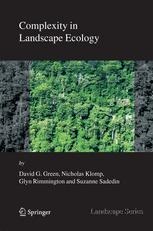
Interactions matter. To understand the distributions of plants and animals in a landscape you need to understand how they interact with each other, and with their environment. The resulting networks of interactions make ecosystems highly complex. Recent research on complexity and artificial life provides many new insights about patterns and processes in landscapes and ecosystems. This book provides the first overview of that work for general readers. It covers such topics as connectivity, criticality, feedback, and networks, as well as their impact on the stability and predictability of ecosystem dynamics. With over 60 years of research experience of both ecology and complexity, the authors are uniquely qualified to provide a new perspective on traditional ecology.
This book is the first academic book on the controversial issue of including spiritual care in integrated electronic medical records (EMR). Based on an international study group comprising researchers from Europe (The Netherlands, Belgium and Switzerland), the United States, Canada, and Australia, this edited collection provides an overview of different charting practices and experiences in various countries and healthcare contexts.

This book is a companion text to Orthopedic Rehabilitation, Assessment, and Enablement by the same author, but can be used independently.
This book gives a comprehensive analysis of how cancer affects the nervous system, It encompasses the experience of senior physicians actively engaged in neuro-oncology centers throughout the world.
the authors comprehensively review the anticancer genes and gene delivery methods currently available for cancer gene therapy, including the transfer of genetic material into the cancer cells, stimulation of the immune system to recognize and eliminate cancer cells, and the targeting of the nonmalignant stromal cells that support their growth. They also thoroughly examine the advantages and limitations of the different therapies and detail strategies to overcome obstacles to their clinical implementation

Since Bailey and Cushing (1926), all brain tumor classifications have been called histogenetic. The nosographic position that the tumor types progressively acquired in the classification systems derived from the resemblance of tumor cells to those of the cytogenesis, modified whenever new information became available from different biological research fields and especially from molecular genetics. Classically, on the basis of the rough correspondence between the mature/immature aspect of tumor cells and the benign/malignant biological behavior of the tumors, the histological labels contained a prognostic significance. The supposed origin of the tumors was thus a factor for prognosis. Later on, with the concept of anaplasia (Cox, 1933; Kernohan et al., 1949) new criteria were introduced for establishing the malignancy grades of tumors. Immunohistochemistry and later molecular genetics further refined the prognostic diagnoses, substantially increasing the opportunities to recognize the cell origin of tumors, beside revealing the pathogenetic mechanisms. Prognoses became more accurate, as required by the greater and more targeted possibilities of therapy.

This book presents a comprehensive account of all aspects of biological invasions in South Africa, where research has been conducted over more than three decades, and where bold initiatives have been implemented in attempts to control invasions and to reduce their ecological, economic and social effects.
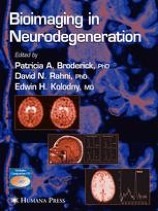
offers both the physician and researcher a critical survey of the best new technologies for studying neurodegeneration, as well as describing their optimal use in the diagnosis and treatment of specific neurodegenerative diseases
This book brings together a selection of original studies submitted to Biodiversity and Conservation that address biodiversity and conservation in Europe. Europe is certainly the most intensively inventoried region of the world; detailed maps are available for species distributions while action plans are being drawn up for species under threat. At the same time, the wildlife of Europe has been subject to enormous human pressures, with limited ‘wilderness’ sites remaining in most countries. Europe consequently presents a case-study of what the human impact on biodiversity has been, and also what can be done to improve the situation.
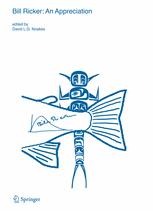
This book is the first complete biography of one of the founders of fishery science, William Edwin (Bill) Ricker (1908 - 2001). Bill is immortalized in the Ricker Curve. He developed the Curve in his studies of stock and recruitment in fisheries, but it has been widely applied in many areas of science. Bill is best known for his contributions to fishery science, but he was also internationally recognized as an entomologist and a scientific editor. This book combines Bill’s own recollections with contributions from those who knew him and worked with him as a colleague during his multifaceted career. In an article written shortly before his death, Bill gives his own account of his career and intellectual development.
Despite their enormous bulk and complexity of architecture, plants make up only around a quarter of a million of the 8 million or so species on Earth. The major components of biodiversity, instead, are the smaller, largely unseen, silent majority of invertebrates – most of which are arthropods. Vertebrates, a mere blip on the biotic horizon, are elevated in importance in the bigger scheme of things only by the human psyche. This collection of more than 30 peer-reviewed papers focuses on the diversity and conservation of arthropods, whose species inhabit virtually every recess and plane – and feature somewhere in virtually every food web – on the planet. Highlighting issues ranging from large-scale disturbance to local management, and from spatial heterogeneity to temporal patterns, these papers reflect some of the most exciting new research taking place today – and in some of the most biodiverse corners of the planet.
Apoptosis, Senescence and Cancer provides insight into established practices and research into apoptosis and senescence by thoroughly examining novel and emerging techniques and research in the fields of cell death pathways, senescence growth arrest, drugs and resistance, DNA damage response, and other topics which still hold mysteries for researchers.this volume provides basic scientists and clinicians with a deeper and more complete understanding of the cellular responses of malignancies which may determine the effectiveness of treatment.

In Anxiety Disorders: A Pocket Guide for Primary Care, distinguished clinicians combine over a century of experience into concise, practical information and techniques for the diagnosis, evaluation, and effective management of psychiatric disorders.
This volume relates the lessons learned from tumour biology applied to inflammation. This issue of Angiogenesis in Inflammation: Mechanisms and Clinical Correlates develops current knowledge on the mechanisms at the molecular and cellular levels as they relate to inflammation, including acute and chronic inflammation, neurogenic initiation, and the role of the multiple cellular components that comprise inflammation: granulocytes, macrophages, fibroblasts, dendritic cells and lymphocytes. This is related to inflammatory disease: not only the familiar angiogenesis dependent diseases of rheumatoid arthritis and psoriasis, but also loci such as the lung, gastric ulcers, the eye with uveitis, wound healing and periodontal disease and their therapy, how this knowledge may be used in the discovery of novel therapeutics. The volume brings together experts in each of these fields to link the molecular and cellular processes in angiogenesis to those of inflammation and disease, culminating in a discourse on areas for future therapies.

Daraa Highway - Ghabagheb - Syria
+963-15 2050 - 15 860 380 /1/2/3 - 11 662 3900