


Refine Results
Sort By
From
To

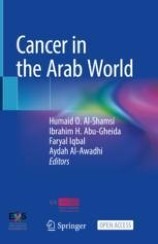
Over the past few decades, the Arab world has witnessed a swift evolution in healthcare provision. Nonetheless, Arab countries have considerable variability in economic capabilities, resource allocation, and intellectual talent that inevitably reflect on access to modern cancer care and prevention. This book is authored by experts from the Arab world who provide vital information on cancer statistics and risk factors, available clinical care pathways and infrastructure, and prevention programs in their individual countries. The chapters also address specific challenges in each country and insights into future directions to achieve optimal care with conventional and novel diagnostics and therapies to keep up with the era of precision medicine.
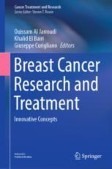
Focuses on innovative treatment options for breast cancer, including surgery, radiotherapy, systemic therapy and of course immunotherapy that is changing outcomes in some aggressive breast cancer histotypes. Subsequent chapters also address the ongoing emerging research in the screening, diagnostics, and management of all subtypes of breast cancers. All current landscapes and future perspectives in each molecular subtype: luminal, HER2-positive, and triple-negative breast cancers are discussed within the different chapters. Breast cancer is still the most common cancer and cause of cancer deaths among women worldwide. The improvement of breast cancer outcome appears to be strictly related to the validation of precise biomarkers that enable us to better select personalized approaches in breast cancer management. The closing chapters deal with the challenges of low income countries of conducting research in the era of precision medicine for cancer. The book is edited and authored by leading experts in this field and will be of interest for clinicians and scientists alike
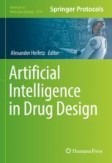
Looks at applications of artificial intelligence (AI), machine learning (ML), and deep learning (DL) in drug design. The chapters in this book describe how AI/ML/DL approaches can be applied to accelerate and revolutionize traditional drug design approaches such as: structure- and ligand-based, augmented and multi-objective de novo drug design, SAR and big data analysis, prediction of binding/activity, ADMET, pharmacokinetics and drug-target residence time, precision medicine and selection of favorable chemical synthetic routes. How broadly are these approaches applied and where do they maximally impact productivity today and potentially in the near future.
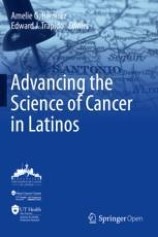
This book gives an overview of the sessions, panel discussions, and outcomes of the Advancing the Science of Cancer in Latinos conference, held in February 2018 in San Antonio, Texas, USA, and hosted by the Mays Cancer Center and the Institute for Health Promotion Research at UT Health San Antonio.
The field of healthcare is constantly evolving and advancing with new technologies and innovations. Among these, assistive technologies, robotics, and automated machines are rapidly gaining ground as powerful tools to improve the quality of care and enhance patient outcomes. From wearable devices that monitor vital signs to surgical robots that assist in complex procedures, these technologies have the potential to revolutionize the way we deliver healthcare. The development and the integration of assistive technologies, care robots, and automated machines are strategic both as single components, when paired together, and when interconnected in the health domain.This reprint explores the latest developments in assistive technologies, robotics, and automated machines in the health domain, providing a comprehensive overview of their applications and potential impact. The reprint is for the benefit of healthcare professionals, researchers, engineers, and students interested in these rapidly evolving fields.

Daraa Highway - Ghabagheb - Syria
+963-15 2050 - 15 860 380 /1/2/3 - 11 662 3900