


Refine Results
Sort By
From
To

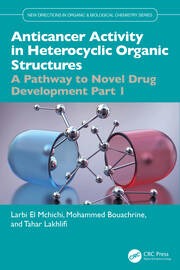
New Directions in Organic & Biological Chemistry, explores the development of cancer therapeutics, focusing on molecular chemistry and advanced drug design approaches. Written by experts in theoretical chemistry and molecular chemistry, they bridge the gap between theoretical chemistry, molecular biology, and drug development. In Part I, they focus on the fundamental properties of heterocyclic compounds and innovative methodologies being employed to enhance therapeutic potential. By exploring various classes of heterocyclic compounds and diverse anticancer mechanisms.
This book presents critical reviews of the present position and future trends in modern chemical research concerned with chemical structure and bonding. It contains short and concise reports, each written by the world's renowned experts.
Calixarenes have been widely exploited in all areas of supramolecular chemistry over the past three decades and many recent developments have concerned their applications in the production of chemical entities with the dimensions of nanometres, as in "nanochemistry".Calixarenes in the Nanoworld Relates calixarenes to nanochemistry – key information for industries engaged in the production of high-tech materials. Provides a timely review of both what is known and the exciting prospects provided by calixarenes, Contains several review articles which define the importance of calixarenes as reagents in nanochemistry.
Alzheimer’s disease (AD) is a neurodegenerative disease that robs the minds of our elderly population. Approximately one in every eight adults over the age of 65 and nearly half of those over 85 are afflicted with this disease. The aging population in developed societies will impose an ever increasing socioeconomic threat in the future. Current medicines for AD patients are mainly symptomatic treatments and a huge unmet medical need exists to slow the progression of this disease. A great deal of research has been dedicated to understanding the pathogenesis of AD from which comes many ideas for intervening with its progression. Some of these ideas have been fast-tracked to clinical trials due to the availability of medicines with proven clinical efficacies for other diseases (e.g. atorvastatin, simvastatin, rosiglitazone and clioquinol) while others represent novel chemical entities (e.g. glycogen synthase kinase-3 inhibitors).

Daraa Highway - Ghabagheb - Syria
+963-15 2050 - 15 860 380 /1/2/3 - 11 662 3900