


Refine Results
Sort By
From
To

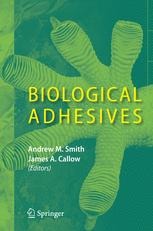
Many plants, animals, and microbes use adhesive polymers and structures to attach to inert substrates, to each other, or to other organisms. This is the first major review that brings together research on many of the well-known biological adhesives. Emphasizing the diversity of biological adhesives and associated adhesion processes, it deals with bacteria, fungi, algae, and marine and terrestrial animals. It bridges a variety of disciplines including biochemistry, molecular biology, biomechanics, bioengineering, microbiology, organism structure and function, and ultrastructure. As we learn more about the molecular and mechanical properties of these adhesives, we begin to understand why they adhere so well and how they develop cohesive strength. With this understanding comes the prospect of developing synthetic or semi-synthetic adhesives with broad applications in areas such as medicine, dentistry, and biotechnology. The book is suitable for both industrial and academic researchers.

Advanced manufacturing technology and systems cover a broad scope involving manufacturing processes, machine tool design, system optimization, smart and flexible manufacturing, theoretical study and metrology. This reprint comprises 19 original papers concerning recent advances in the research and development of AMTSs. Specifically, there are many research fields that are covered: machining processes (six papers), micro-/nano-precision fabrication (four papers), and system optimization (eight papers), in addition to one review.
Focuses on the materials used for dental applications looking at the fundamental issues and the developments that have taken place the past decade. While it provides a broad overview of dental materials, the chemicals that are used for the preparation and fabrication of dental materials are explained as well. Also, the desired properties of these materials are discussed and the relevance of the chemical, physical, and mechanical properties is elucidated. Methods for the characterization and classification, as well as clinical studies are reviewed here. In particular, materials for dental crowns, implants, toothpaste compositions, mouth rinses, as well as materials for toothbrushes and dental floss are discussed. For example, in toothpaste compositions, several classes of materials an chemcials are incorporated, such as abrasives, detergents, humectants, thickeners, sweeteners, coloring agents, bad breath reduction agents, flavoring agents, tartar control agents, and others. These chemicals, together with their structures, are detailed in the text.
Focuses on enhancing antimicrobial and mechanical properties of polymeric materials and composites for dentistry. In recent years, special attention has been focused on the possibility of giving materials new or improved properties by the introduction of nano or submicron size additives, fibers or whiskers. Another area of research is the application of antibacterial monomers, which can be copolymerized in resins to kill oral pathogenic microflora. In addition, we are currently looking for new data regarding colonization of dental materials by pathogenic microbes and their influence on the other properties. Further, there are many new commercially available materials which should be investigated to verify their properties, which is important from the point of view of clinical practice. Original new research and reviews related to any of the topics mentioned above indicate the current directions of development of dental materials.
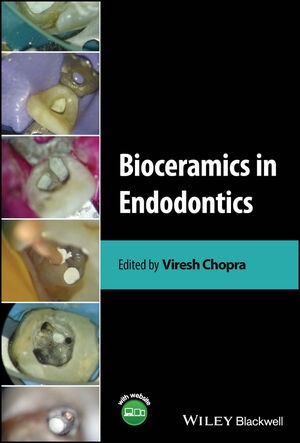
Focuses on overall makeup of dental bioceramics and relevant clinical situations in endodontics. Blends together detailed information on the physico-chemical and biological properties of bioceramics with their clinical application in endodontics, exploring history and chemistry, mechanical properties, advantages of bioceramics over other materials, and clinical cases with high definition pictures and videos demonstrating their usage across wide variety of clinical situations in endodontics.
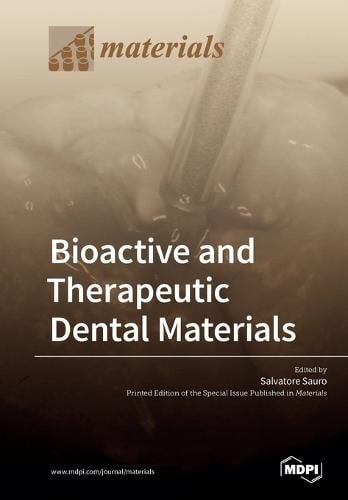
Special attention has been given to bioactive materials developed to induce cells differentiation/stimulation, hard tissue formation and exert antimicrobial actions. New innovations are necessary to continue to help reinforcing existing technologies and to introduce new paradigms for treating dental disease and restoring teeth seriously compromised by caries lesions via biomimetic and more biological operative approaches. Dental bioactive materials is arguably the latest research area in dentistry and thus the amount of new research is overwhelming. However, in this day and age of evidence based practice it important for this new information to be distilled into a practical and understandable format.

Presents readers with extensive information on the behavior of high-strength constructional steels, providing them with the confidence they need to use them in a safe and economic manner to design and construct steel structures. The book includes detailed discussions on the mechanical properties of HHS while explaining the latest progress in research and design guidelines, including material properties at ambient and elevated temperatures. In addition, the book explains the behavior of elementary members subject to different types of loads and load combinations, and those that are integral to the design of bolted and welded connections.
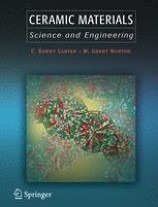
Ceramic Materials: Science and Engineering is an up-to-date treatment of ceramic science, engineering, and applications in a single, integrated text. Building on a foundation of crystal structures, phase equilibria, defects and the mechanical properties of ceramic materials, students are shown how these materials are processed for a broad diversity of applications in today's society. Concepts such as how and why ions move, how ceramics interact with light and magnetic fields, and how they respond to temperature changes are discussed in the context of their applications. References to the art and history of ceramics are included throughout the text. The text concludes with discussions of ceramics in biology and medicine, ceramics as gemstones and the role of ceramics in the interplay between industry and the environment. The text is extensively illustrated and includes references and questions for the student.

Daraa Highway - Ghabagheb - Syria
+963-15 2050 - 15 860 380 /1/2/3 - 11 662 3900