


Refine Results
Sort By
From
To

Signal transduction through leukocyte receptors involves a variety of signaling molecules including kinases, phosphatases, adaptor proteins, small GTPases GTP exchange factors, membrane phospholipids as well as others. These signal transducers, regulated by inter- and intra-molecular interactions, as well as by various post-translational modifications, lead to the activation of transcription factors that mediate cellular differentiation and growth, effector cell functions, and apoptotic cell death. Several investigators from various parts of the world convened at the 3rd Lymphocyte Signal Transduction Workshop in Crete, Greece from May 27 to June 1, 2005 to discuss their most recent findings in leukocyte signaling. This volume represents a collection of topics discussed during the conference.
The lungs are the organ for gas exchange between the body and the external environment. Dysfunction of upper airway epithelium and smooth muscle cells leads to pathogenesis of asthma, chronic obstructive pulmonary disease (COPD), cystic fibrosis, and other conditions, resulting in airway inflammation and narrowing. Injury to alveolar epithelium and endothelium causes influx of neutrophil and protein-rich fluid from circulation, resulting in edema and disruption of gas exchange. In addition to lung structural cells, immune cells, including alveolar macrophages and lymphocytes play critical roles in the maintenance of lung function. This book contributes to the understanding homeostasis of lung cells in the physiological and pathological conditions critical to the development of novel therapeutics.

This extensively documented, comprehensive survey of cell-mediated cytotoxicity (CMC) traces the history of killer lymphocytes from 1960 to the present, providing a definitive resource for specialists and non-specialists alike.
Chronic lymphocytic leukaemia (CLL) is the most common leukaemia in the Western world. It is also the prototype of B-cell chronic lymphoid malignancies and of their ramifications within the fields of hematology, immunology and oncology. developments of basic science into effective new approaches to the patient.
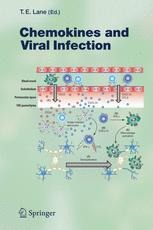
This edition of Current Topics in Microbiology and Immunology examines the role of chemokines and chemokine receptors in host defense and disease development following viral infection. Chemokines represent a family of over 40 small proteins that, for the most part, are secreted into the environment and function by binding to G protein-coupled receptors (GPCRs) that are expressed on numerous different cell types. When initially identified close to 30 years ago, these molecules were associated with various human inflammatory diseases and it was recognized that expression may be integral in leukocyte recruitment to inflamed tissue. There are now four sub-families of chemokines identified based on defined structural criteria relating to the positional location of conserved cysteine residues within the amino-terminus of the protein. Chemokines are now recognized as important in numerous biological processes ranging from maintaining the organizational integrity of secondary lymphoid tissue to participating in various aspects of both innate and adaptive immune responses following microbial infection. With this in mind, this book highlights the functional roles of chemokines and their receptors in participating in various aspects of the immune response against well-known viral pathogens.
Focuses on innovative treatment options for breast cancer, including surgery, radiotherapy, systemic therapy and of course immunotherapy that is changing outcomes in some aggressive breast cancer histotypes. Subsequent chapters also address the ongoing emerging research in the screening, diagnostics, and management of all subtypes of breast cancers. All current landscapes and future perspectives in each molecular subtype: luminal, HER2-positive, and triple-negative breast cancers are discussed within the different chapters. Breast cancer is still the most common cancer and cause of cancer deaths among women worldwide. The improvement of breast cancer outcome appears to be strictly related to the validation of precise biomarkers that enable us to better select personalized approaches in breast cancer management. The closing chapters deal with the challenges of low income countries of conducting research in the era of precision medicine for cancer. The book is edited and authored by leading experts in this field and will be of interest for clinicians and scientists alike
Publishes comprehensive volumes on immune and genetic mechanisms of breast cancer diagnosis and prognosis. The role of molecular genetics, interleukins, chemokine receptor, and tumor-infiltrated lymphocytes-TILS in breast cancer are explained. Targeting myeloid determinants, SiRNA loaded in drug delivery nanosystems, nucleic acid and drug dual agent nanoplatforms, and oncolytic virotherapy are also discussed in the treatment of breast cancer, particularly in multidrug resistant and metastatic breast cancer.
Covers all aspects of Anti-Neutrophil Cytoplasmic Antibody (ANCA) Associated Vasculitis (AAV). The expression refers to a group of diseases, characterized by destruction and inflammation of small vessels. The clinical signs vary and affect several organs, such as the kidney, lung, skin, nervous system and others. presents recently acquired knowledge on pathogenesis, diagnosis, and therapy with the aim of promoting a more holistic approach to these conditions. AAVs are systemic autoimmune diseases of unknown cause that affect small (to medium) sized blood vessels. They include granulomatosis with polyangiitis (formerly Wegener's granulomatosis), microscopic polyangiitis, and eosinophilic granulomatosis with polyangiitis (formerly Churg–Strauss syndrome).
This volume relates the lessons learned from tumour biology applied to inflammation. This issue of Angiogenesis in Inflammation: Mechanisms and Clinical Correlates develops current knowledge on the mechanisms at the molecular and cellular levels as they relate to inflammation, including acute and chronic inflammation, neurogenic initiation, and the role of the multiple cellular components that comprise inflammation: granulocytes, macrophages, fibroblasts, dendritic cells and lymphocytes. This is related to inflammatory disease: not only the familiar angiogenesis dependent diseases of rheumatoid arthritis and psoriasis, but also loci such as the lung, gastric ulcers, the eye with uveitis, wound healing and periodontal disease and their therapy, how this knowledge may be used in the discovery of novel therapeutics. The volume brings together experts in each of these fields to link the molecular and cellular processes in angiogenesis to those of inflammation and disease, culminating in a discourse on areas for future therapies.

Active specific immunotherapy is a promising but investigational modality in the management of cancer patients. Currently, several different cancer vaccine formulations such as peptides, proteins, antigen-pulsed dendritic cells, whole tumor cells, etc. in combination with various adjuvants and carriers are being evaluated in clinical trials (1-3). To determine the optimal cancer
Transmembrane signaling is one of the most significant cell biological events in the life and death of cells in general and lymphocytes in particular. Until recently biochemists and biophysicists were not accustomed to thinking of these processes from the side of a high number of complex biochemical events and an equally high number of physical changes at molecular and cellular levels at the same time. Both types of researchers were convinced that their findings are the most decisive, having higher importance than the findings of the other scientist population. Both casts were wrong. Life, even at cellular level, has a number of interacting physical and biochemical mechanisms, which finally build up the creation of an "excited" cell that will respond to particular signals from the outer or inner world.

Daraa Highway - Ghabagheb - Syria
+963-15 2050 - 15 860 380 /1/2/3 - 11 662 3900