



Page 1
Page 1

Gastrointestinal malignancies
Details the advances in drug discovery and delivery and the present need for emerging technologies. Throughout the text new micro and nanofabrication techniques are described, including methods such as electrohydrodynamic processes, additive manufacturing, and microfluidics, which have the potential to produce drug delivery systems that were not possible a few years ago. This book is of great use to both entry-level and experienced researchers in the field of emerging technologies for the manufacturing of drug delivery devices.

Evaluation of the use of medicine plants in cancer treatment
Turmeric (Curcuma longa) and ginger (Zingiber officinale) have been widely studied for their potential anticancer effects, primarily due to the bioactive compounds curcumin and gingerol. Both compounds exhibit significant therapeutic properties, including anti-inflammatory, antioxidant, pro-apoptotic, and anti-angiogenic activities, which target key pathways implicated in cancer progression, such as NF-κB, STAT-3, and mTOR. Through these mechanisms, curcumin and gingerol inhibit tumor growth, reduce metastasis, and enhance the efficacy of conventional cancer treatments.

Lung cancer : causes, diagnosis, treatment
Lung cancer remains the leading cause of cancer-related deaths in the United States and the world - responsible for approximately 1.8 million deaths annually Lung cancer is still expected to cause more than 4 million deaths over the next 50 years. Thus, in addition to tobacco control efforts, a focus on early detection and treatment interventions will be critical to further reducing the burden of lung cancer...
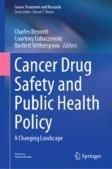
Cancer drug safety and public health policy : A changing landscape
Description and analysis of recent developments and current trends in health policy with regard to cancer drug safety. Opens with an overview of pharmacovigilance for cancer blockbuster drugs, covering both general considerations and efforts to develop a structured framework for the identification and reporting of adverse drug reactions (ADRs). A number of important examples of serious ADRs to hematology and oncology drugs are then reviewed, with evaluation of the lessons learned and the policy implications of the ensuing legal cases and their settlements. Further, the difficulty of reporting such blockbuster side effects in the medical literature is explored in an empirical study. Significant advances have been achieved in analytic methods for the identification of ADRs, and here there is a particular focus on the value of optimal discriminant analysis. Finally, the impacts on pharmacovigilance and drug safety of the huge fines paid under the U.S. False Claims Act relating to the defrauding of governmental programs also receive careful attention – these fines are playing an important role in changing the landscape for pharmaceutical safety.
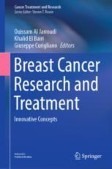
Breast cancer research and treatment : innovative concepts
Focuses on innovative treatment options for breast cancer, including surgery, radiotherapy, systemic therapy and of course immunotherapy that is changing outcomes in some aggressive breast cancer histotypes. Subsequent chapters also address the ongoing emerging research in the screening, diagnostics, and management of all subtypes of breast cancers. All current landscapes and future perspectives in each molecular subtype: luminal, HER2-positive, and triple-negative breast cancers are discussed within the different chapters. Breast cancer is still the most common cancer and cause of cancer deaths among women worldwide. The improvement of breast cancer outcome appears to be strictly related to the validation of precise biomarkers that enable us to better select personalized approaches in breast cancer management. The closing chapters deal with the challenges of low income countries of conducting research in the era of precision medicine for cancer. The book is edited and authored by leading experts in this field and will be of interest for clinicians and scientists alike

Arum palaestenium in cancer therapies
Cancer is a very complicated sequence of disease conditions progressing gradually with a generalized loss of growth control.1–3 There were only a few options of cancer treatment for patients for many decades which include surgery, radiation therapy, and chemotherapy as single treatments or in combination.4,5 But recently, many pathways involved in cancer therapy progression and how they can be targeted has improved dramatically, with combinatorial strategies, involving multiple targeted therapies or “traditional” chemotherapeutics, such as the taxanes and platinum compounds, being found to have a synergistic effect.6 New approaches, such as drugs, biological molecules, and immune-mediated therapies, are being used for treatment.
