


Refine Results
Sort By
From
To

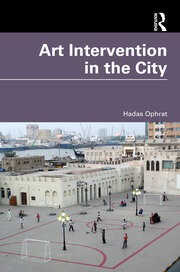
This book focuses on the phenomenon of art intervention—an expression of local initiatives by artists, collectives, and art centers wishing to influence the design of the space or make a change in its lifestyle.
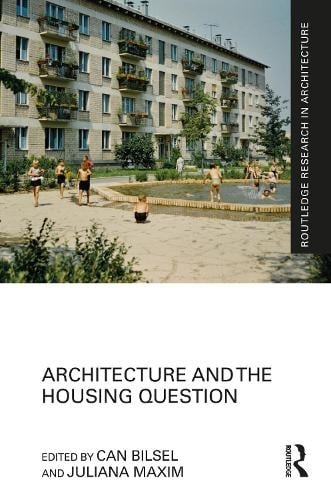
Examines how the design and provision of housing around the world have become central both to competing political projects and to the architecture profession. How have architects acting as housing experts helped alleviate or enforce class, race, and gender inequality? What are the disciplinary implications of taking on shelter for the multitude as an architectural assignment and responsibility? The book features essays in the historiography of architecture and the housing question, and a collection of historical case studies from Belgium, China, France, Ghana, the Netherlands, Kenya, the Soviet Union, Turkey, and the United States.
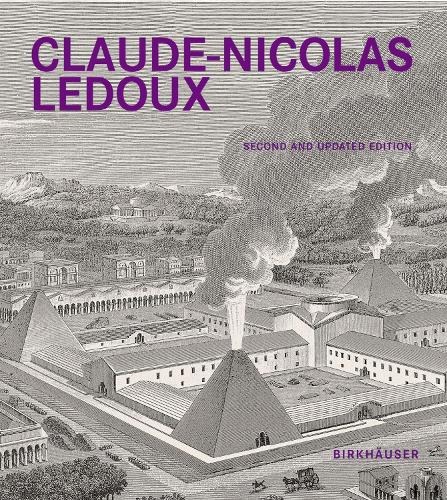
Claude-Nicolas Ledoux (1736-1806) is today regarded as chief representative of French revolutionary architecture. With his extraordinary inventiveness he projected the architectural ideals of his era. Ledoux's influential buildings and projects are presented and interpreted both aesthetically and historically in this book. His best-known projects - the Royal Saltwords of Arc-et-Senans, the tollgates of Paris, the ideal city of Chaux - reveal the architect's allegiance to the principles of antiquity and Renaissance but also illustrate the evolution of his own utopian language. With the French Revolution, Ledoux ceased building as his contemporaries perceived him as a royal architect. He focused on the development of his architectural theory and redefined the vision of the modern architect
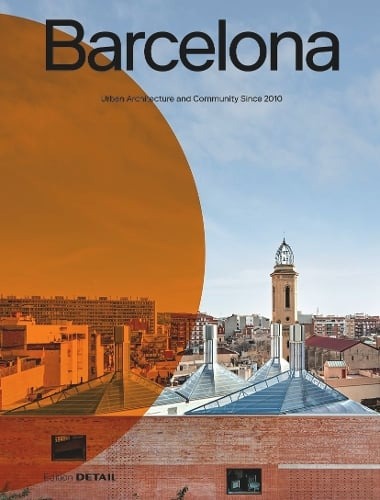
Highlights some of the most exciting structures built in Barcelona since 2010, bringing readers on a guided tour of surprising residential buildings, intriguing museums and extraordinary community spaces. The projects, including many additions to existing buildings, are documented with photos, floor plans and texts. Supplementary interviews introduce readers to key players in Barcelona’s architectural scene, while essays shed light on little-known aspects of the city’s urban development and transport planning.
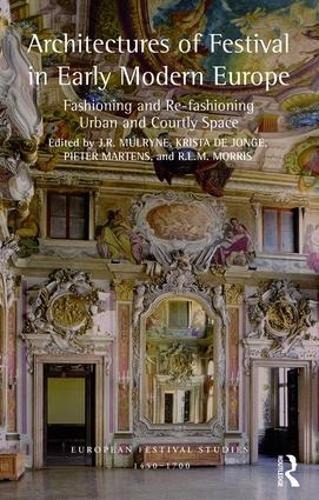
Draws on up-to-date research by a Europe-wide group of academic scholars and museum and gallery curators to provide a unique, intellectually-stimulating and beautifully-illustrated account of temporary architecture created for festivals of the sixteenth and seventeenth centuries, together with permanent architecture pressed into service for festival occasions across major European locations including Italian, French, Austrian, Scottish and German.
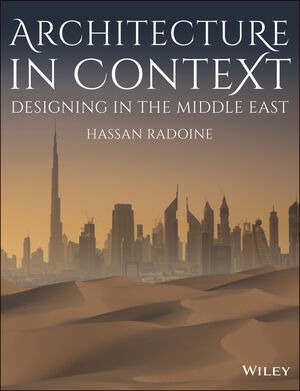
Provides a foundation for understanding the critical context of architecture and design in this region. It does this by: presenting a practical overview of architectural know-how in the Middle East, and its potential for cultivating a sense of place introducing local architectural vocabularies and styles, and how they can still be reactivated in contemporary design exploring the cultural and contextual meaning of forms as references that may influence contemporary architecture discussing important discourses and trends in architecture that allow a rethinking of the current global/local dichotomy.
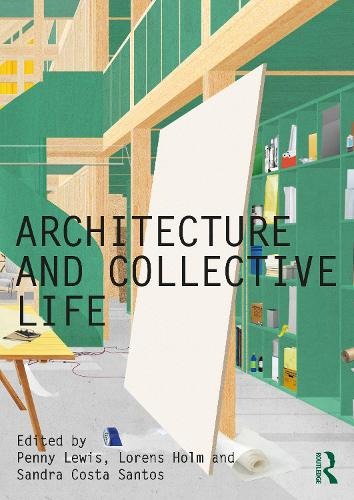
Addresses the changing nature of public life alongside an analysis of changes in the architectural profession. Contains thought-provoking chapters from some of the disciplines' leading thinkers and draws together new research that helps us to look again at the question of urban development. Focuses on the link between architecture, urban theory and societal ideas.

Daraa Highway - Ghabagheb - Syria
+963-15 2050 - 15 860 380 /1/2/3 - 11 662 3900