


Refine Results
Sort By
From
To

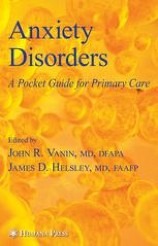
In Anxiety Disorders: A Pocket Guide for Primary Care, distinguished clinicians combine over a century of experience into concise, practical information and techniques for the diagnosis, evaluation, and effective management of psychiatric disorders.
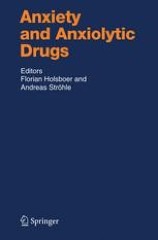
The present volume gives a comprehensive overview on the current state of basic and clinical research on Anxiety and Anxiolytic Drugs. Using newly developed methods and techniques researchers are now beginning to understand the molecular mechanisms of anxiety, anxiety disorders and their treatment. In parallel, new drug targets have been generated and the first clinical studies with new compounds have been started. In 20 chapters written by numerous experts in the field comprehensive information on all relevant topics is provided.
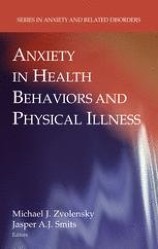
While the links between physical illness and depression have been well-documented and analyzed, little has been made of the data relating physical illness to anxiety—until now. Anxiety in Health Behavior and Physical Illness explores complex relationships between medical and anxiety pathology on the theoretical, research, and practical fronts. Over forty experts examine reciprocal roles of anxiety and medical illness as causal or exacerbating factors in each other’s onset and development, describe forms of anxiety typical to major disease entities, discuss common health behaviors as they impact anxiety, recast anxiety disorders as chronic illness, and identify patients for whom new forms of treatment may be warranted.
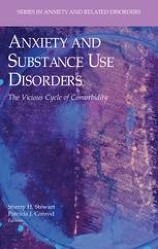
Anxiety and Substance Use Disorders: The Vicious Cycle of Comorbidity addresses this gap with dispatches from the frontlines of research and treatment. Thirty-four international experts offer findings, theories, and intervention strategies for this common form of dual disorder both across types of substances (alcohol, tobacco, street and prescription drugs) and the range of anxiety disorders (PTSD, social phobia, panic disorder, OCD) to give the reader comprehensive knowledge in a practical format. Informed by the reciprocal relationship between the two types of disorders
Chapter authors clearly place mindfulness and acceptance into the clinical lexicon, establishing links with established traditions, including emotion theory and experiential therapy. In addition, separate chapters discuss specific anxiety disorders, the current state of treatment for each, and practical ways of integrating acceptance and mindfulness approaches into therapy.

Daraa Highway - Ghabagheb - Syria
+963-15 2050 - 15 860 380 /1/2/3 - 11 662 3900