


Refine Results
Sort By
From
To

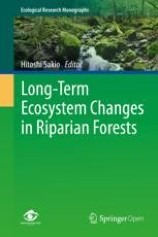
Presents and analyzes the results of more than 30 years of long-term ecological research in riparian forest ecosystems with the aim of casting light on changes in the dynamics of riparian forests over time.
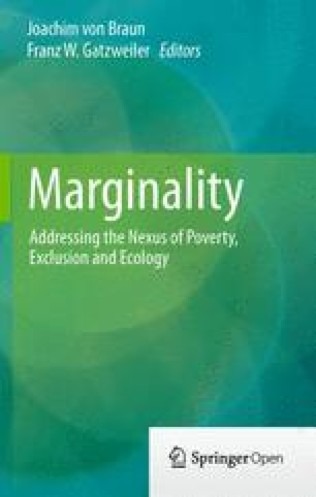
In this volume economists, ecology experts, geographers, agronomists, sociologist, and business experts come together to address marginality. The inter-disciplinary research offers conceptual innovations and presents the dimensions of marginality in developing countries. Economic, political, and environmental drivers are assessed and mapped globally and in detail for countries in Africa and Asia, especially Ethiopia, India, Bangladesh, China, Indonesia. Economic growth especially in rural areas remains and farming communities is central to poverty reduction but needs to be complemented with specific actions to reach those at the margins.

This book introduces the harmless handling/recycling of magnesium slag , the process of magnesium silicothermic reduction (Pidgeon process)which the slag was produced, and . the magnesium resources, layout of the industry of the world. Examples and experimental data in this book are from the author group’s research programs, as well as the rencent researches in China. The book could provide precious reference to scientists and engineers in the field of recycling and environment friendly use of the industrial solid wastes. It could also be used for researchers and students who are interested in relevant field.
With shortages of fossil energy, especially oil and natural gas, and heavy biomass energy use occurring in both developed and developing countries, a major focus has developed worldwide on renewable energy systems. Renewable energy systems include wind power, biomass, photovoltaics, hydropower, solar thermal, thermal ponds, and biogas. Currently, a heavy focus is on biofuels made from crops, such as corn, sugarcane, and soybeans, for use as renewable energy sources. Wood and crop residues also are being used as fuel. Though it may seem beneficial to use renewable plant materials for biofuel, the use of crop residues and other biomass for biofuels raises many concerns about major environmental problems, including food shortages and serious destruction of vital soil resources.

Where fishing livelihoods come from and where they are going are simple questions with no simple answers. Using examples of small-scale fisheries in Asia-Pacific, Fabinyi and Barclay offer eloquent analyses of how fishing livelihoods are shaped, resting on a relational approach idea
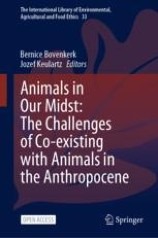
This book brings together authoritative voices in animal and environmental ethics, who address the many different facets of changing human-animal relationships in the Anthropocene. As we are living in complex times, the issue of how to establish meaningful relationships with other animals under Anthropocene conditions needs to be approached from a multitude of angles. This book offers the reader insight into the different discussions that exist around the topics of how we should understand animal agency, how we could take animal agency seriously in farms, urban areas and the wild, and what technologies are appropriate and morally desirable to use regarding animals. This book is of interest to both animal studies scholars and environmental ethics scholars, as well as to practitioners working with animals, such as wildlife managers, zookeepers, and conservation biologists.

Daraa Highway - Ghabagheb - Syria
+963-15 2050 - 15 860 380 /1/2/3 - 11 662 3900