



Page 1
Page 1

New Vision of Metformin in treating cancer
The anti-diabetic drug metformin is rapidly emerging as a potential anticancer agent. Metformin is a biguanide that is effective in treating type 2 diabetes and the insulin resistance syndromes, improves insulin resistance by reducing hepatic gluconeogensis and by enhancing glucose uptake by skeletal muscle. Metformin can reduce the incidence of cancers and can reduce the mortality from cancers, increase the response to treatment cancer cells when using radiotherapy and chemotherapy, reduce the likelihood of relapse. Diabetes can be a factor in the occurrence of various types of cancer, and develop a variety of cancers such as colo-rectal, pancreas and liver cancers, compared to non-diabetic patients. Incidence of various cancers is high among patients of T2DM due to insulin resistance and mitogenic effects caused by hyperglycemia.

Medicinal plants : Bioprospecting and pharmacognosy
Touches on a diverse selection of topics related to medicinal plants. Chapters look at the use of medicinal plants in healthcare and disease management, such as to treat inflammation, anti-hyperglycemia, and obesity and as immunity boosters. The authors also address the conservation, maintenance, and sustainable utilization of medicinal plants along with postharvest management issues. Topics include consumption, supply chain, marketing, trade, and future directions of research. Some specific plants discussed include fennel, basil, clove, ginger, lavender, turmeric, ginsing, and asparagus in connection with their various therapeutic properties, including anti-rheumatic, anti-asthmatic, anti-diabetic, carminative, diuretic, fever-reducing, and hypotensive. Medicinal Plants: Bioprospecting and Pharmacognosy will prove informative for scientists and researchers in medicinal plants as well as for faculty and students, pharmaceutical researchers, and others.
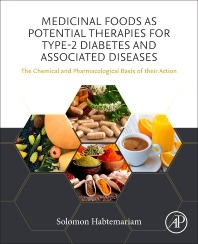
Medicinal foods as potential therapies for type-2 diabetes and associated diseases : The chemical and pharmacological basis of their action
Focuses on active pharmacological principles that modulate diabetes, associated risk factors, complications and the mechanism of action of widely used anti-diabetic herbal plants—rather than just the nutritional composition of certain foods. Provides up-to-date information on acclaimed antidiabetic super fruits, spices and other food ingredients. Sections cover diabetes and obesity at the global level, the physiological control of carbohydrate and lipid metabolism, the pathophysiology of type-2 diabetes, the chemistry and pharmacology of a variety of spices, and much more. This book will be invaluable for research scientists and students in the medical and pharmaceutical sciences, medicinal chemistry, herbal medicine, drug discovery/development, nutrition science, and for herbal practitioners and those from the nutraceutical and pharm industries.

Healing miracle of honey and black seed
Healing marvel' or honey and nigella sativa.L , honey is a popular sweetener throughout the world but it is not limited to that ,it is used as a healing agent and basic for some traditional medicine treatment throughout the world today. honey was prescribed for a variety of uses including cancer, cough, wound treatment. Nigella sativa.L commonly known as Nigella sativa or black cumin.. 'The herb from heaven' are used in medicine all over the world for the treatment and prevention of a number of diseases include asthma, kidney stones and other. The combination Nigella sativa and honey have synergetic effects for most diseases and condition will be discussed. Does it have an adverse effect and contraindications

Essential oils : sources, production and applications
Essential oils are simply the volatile oils of plants. These are concentrated liquids contain many terpenes, alkaloids and alcohols etc. Various compounds of essential oils have bioactive properties such as antimicrobial, anti-cancer, anti-diabetic, anti-viral and anti-fungal etc. This book describes the sources of essential oils, extraction and production method, characterizing tools, bioactivity, and various applications in the field of industries, daily usage, agriculture, health, and food.

Drug repurposing : A new fashion for a new hope
The repurposing of drugs is becoming increasingly attractive as it avoids the long process and cost implications associated with bringing a novel drug to market i.e., drug repurposing is cost effective and time saving. This study will discuss the repositioning of several drugs that belong to different pharmaceutical classifications such as antimicrobials (itraconazole and fluoroquinolones), anti-diabetic agents (metformin and sodium glucose co-transporter 2 inhibitors), cardiovascular drugs (β-blockers and digoxin), anticonvulsants (topiramate), immunosuppressants (sirolimus), non-steroidal anti-inflammatory drugs (NSAIDs e.g., COX inhibitors), and cholesterol lowering drugs (statins).
