


Refine Results
Sort By
From
To

Presents the multifaceted process of identifying a new drug in the modern era, which requires a multidisciplinary team approach with input from medicinal chemists, biologists, pharmacologists, drug metabolism experts, toxicologists, clinicians, and a host of experts from numerous additional fields. Enabling technologies such as high throughput screening, structure-based drug design, molecular modeling, pharmaceutical profiling, and translational medicine are critical to the successful development of marketable therapeutics. Given the wide range of disciplines and techniques that are required for cutting edge drug discovery and development, a scientist must master their own fields as well as have a fundamental understanding of their collaborator’s fields.
Covers : quantitative methods (proteins, nucleic acids, phospholipids and carbohydrates), electrophoresis (several polyacrylamide and agarose systems, 2D-PAGE, detection methods and affinity electrophoresis), chromatographic protocols (thin-layer chromatography, GPC, IEC, affinity chromatography, HPLC), immunochemical protocols (hapten-carrier and enzyme conjugation, immunization and antibody purification, immune affinity chromatography, ELISA), centrifugation (differential and density gradient centrifugation for cells and cellular fractions), radioactivity (labeling and counting), buffers (buffer properties and compositions).
Details traditional and modern approaches to characterize sourdough and to monitor its features during production, propagation and use, through state-of- the art analytical tools. Chapters guide reader through procedures to prepare and propagate the mature sourdough, to analyse and monitor microbiological, biochemical and rheology features of sourdough, sensory, and nutritional attributes of baked goods. Written in the format of the Methods and Protocols in Food Science series, chapters list necessary materials and methods for readily reproducible protocols.
Appearing widely in natural products, biologically active molecules, asymmetric chemistry, and material science, axially chiral motifs constitute the core backbones of the majority of chiral ligands and organocatalysts in asymmetric catalysis. In a new work of particular relevance to synthetic chemists, Axially Chiral Compounds: Asymmetric Synthesis and Applications delivers a clearly structured and authoritative volume covering the classification, characteristics, synthesis, and applications of axial chirality.
Widely acknowledged by both students and lecturers around the globe to be the textbook of choice for studying physical chemistry. Now in its twelfth edition, the text has been enhanced with additional learning features, and the writing style has been refreshed to resonate with the modern student.
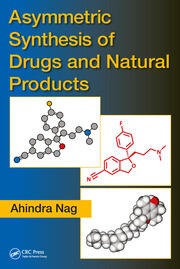
Focuses on different techniques of asymmetric synthesis of important compounds, such as drugs and natural products. It gives insightful information on recent asymmetric synthesis by Inorganic, Organic and Enzymatic combinations

In Asymmetric Organo-Metal Catalysis: Concepts, Principles, and Applications, accomplished chemist Liu-Zhu Gong delivers a comprehensive discussion of how to design efficient organo/metal combined catalyst systems, new cooperatively catalyzed asymmetric reactions, relay catalytic cascades, and multicomponent reactions. The distinguished author covers critical topics, like the combined catalysis of chiral phase transfer catalysts, enamine, iminium, nucleophilic Lewis base, or Bronsted acids with metal complexes, while also covering the cooperative catalysis of photocatalysts and organocatalysts.
Collects the major progress in the field of enantioselective one-, two-, and multicomponent domino reactions promoted by chiral metal catalysts. It clearly illustrates how enantioselective metal-catalyzed processes constitute outstanding tools for the development of a wide variety of fascinating one-pot asymmetric domino reactions, thereby allowing many complex products to be easily generated from simple materials in one step. The book also strictly follows the definition of domino reactions by Tietze as single-, two-, as well as multicomponent transformations.
Details its complex subject matter clearly and plainly and covers everything from catalyst development and reactions to mechanisms and applications in academia and industry. The papers included within come from many of the leading voices in their respective fields and represent the newest and best research available today.
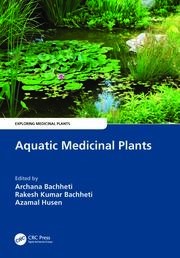
The use of medicinal plants in herbal and modern medicine has gained popularity over the last few decades due to consumers taking more natural approaches to medicine. Aquatic medicinal plants are rich in bioactive compounds and demonstrate various commercial, nutraceutical, and biological applications. Aquatic Medicinal Plants offers the reader a wealth of information on uses of bioactive components of these plants, along with crucial references, and explains their traditional uses, phytochemistry, and pharmacological properties.
MS is continuously developing as one of the most re- able analytical method for elucidating the structure of molecules originating from various biological matrices. The potential of MS for high-sensitive structural a- lyses became unsurpassable after the introduction of electrospray (ESI) and matrix assisted laser/desorption ionization (MALDI) methods, on one hand, and the pos- bility to deduce in detail unknown biopolymer structures by highly accurate mo- cular mass measurement followed by sequencing using dissociation techniques based on multiple stage MS, on the other.
Covers general concepts of anti-viral metabolites, classifications, ethnopharmacology, chemistry, clinical and preclinical studies focusing on different medicinal plants against various types of viral infections. Various plants have been used in medicine since ancient times and are known for their strong therapeutic effects. The book will describe potential antiviral properties of medicinal plants against a diverse group of viruses, and provide an insight to the potential plants possess for broad-spectrum antiviral effects against emerging viral infections.The book aims to target a broad audience including virologists, molecular biologist, microbiologist and scientists working with natural products as well as researchers, students, healthcare experts involved in pharmaceutical and medical field.
This volume gathers a variety of models, delivery systems, and approaches that can be used to assess RNA technology for exploiting antisense as a therapeutic intervention. Beginning with a section on the design of antisense technology and their delivery, the book continues by covering model systems developed to evaluate efficacy, both in vivo and in vitro, as well as methods to evaluate preclinically the toxicity associated with these new potential drugs, and intellectual property considerations. Written for the highly successful Methods in Molecular Biology series, chapters include introductions to their respective topics, lists of the necessary materials and reagents, step-by-step, readily reproducible laboratory protocols, and tips on troubleshooting and avoiding known pitfalls.

Examines the role that antioxidants play in a variety of health and disease situations. The book discusses antioxidants’ historical evolution, their oxidative stress, and contains a detailed approach of 1) endogenous antioxidants, including endogenous sources, mechanisms of action, beneficial and detrimental effects on health, in vitro evidence, animal studies and clinical studies; 2) synthetic antioxidants, including sources, chemistry, bioavailability, legal status, mechanisms of action, beneficial and detrimental effects on health, in vitro evidence, animal studies and clinical studies; and 3) natural antioxidants, including sources, chemistry, bioavailability, mechanisms of action, possible prooxidant activity; beneficial and detrimental effects on health, in vitro evidence, animal studies and clinical studies. Throughout the boo, the relationship of antioxidants with different beneficial and detrimental effects are examined, and the current controversies and future perspectives are addressed and explored. Antioxidants Effects in Health: The Bright and the Dark Side evaluates the current scientific evidence on antioxidant topics, focusing on endogenous antioxidants, naturally occurring antioxidants and synthetic antioxidants. It will be a helpful resource for pharmaceutical scientists, health professionals, those studying natural chemistry, phytochemistry, pharmacognosy, natural product synthesis, and experts in formulation of herbal and natural pharmaceuticals.
Begins with a short history of malaria and follows with a summary of its biology. It then traces the fascinating history of the discovery of quinine for malaria treatment, and then describes quinine’s biosynthesis, its mechanism of action, and its clinical use, concluding with a discussion of synthetic antimalarial agents based on quinine’s structure. It also covers the discovery of artemisinin and its development as the source of the most effective current antimalarial drug, including summaries of its synthesis and biosynthesis, its mechanism of action, and its clinical use and resistance. A short discussion of other clinically used antimalarial natural products leads to a detailed treatment of additional natural products with significant antiplasmodial activity, classified by compound type.

Increasing awareness of the deleterious effects of toxic components in antifouling coatings has raised interest in the potential for nontoxic alternatives. This book examines how marine organisms from bacteria to invertebrates and plants use chemicals to communicate and defend themselves. Chemicals that prevent colonisation of living surfaces are particularly pertinent to antifouling technology and may inspire new solutions. The challenge is to identify such compounds, identify the means for sustainable production and incorporate them into coatings to give long-term antifouling efficacy.
New Directions in Organic & Biological Chemistry, explores the development of cancer therapeutics, focusing on molecular chemistry and advanced drug design approaches. Written by experts in theoretical chemistry and molecular chemistry, they bridge the gap between theoretical chemistry, molecular biology, and drug development. In Part I, they focus on the fundamental properties of heterocyclic compounds and innovative methodologies being employed to enhance therapeutic potential. By exploring various classes of heterocyclic compounds and diverse anticancer mechanisms.
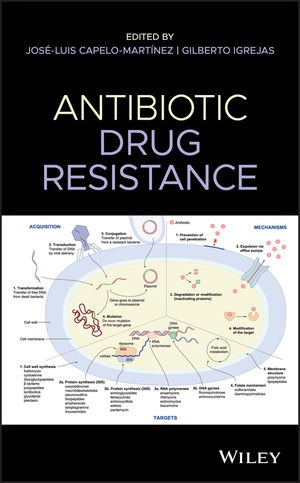
This book presents a thorough and authoritative overview of the multifaceted field of antibiotic science – offering guidance to translate research into tools for prevention, diagnosis, and treatment of infectious diseases.

The book discusses the conventional analyses for oil and natural gas feeds, along with their limitations. It offers detailed descriptions of advanced analytical techniques that are commercially available, plus explanations of gas and oil industry equipment and instrumentation. You’ll find technique descriptions supplemented with a list of references as well as with real-life application examples. With this book as a reference, you can prepare to apply specific analytical methods in your organization’s lab environment. Analytical Techniques can also serve as your comprehensive resource on key techniques in the characterization of oil and gas samples, within both refinery and environmental contexts.
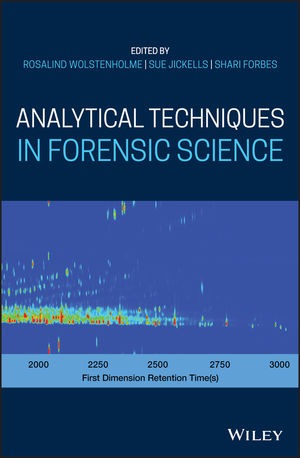
Analytical Techniques in Forensic Science is a comprehensive guide written in accessible terms that examines the interface between analytical chemistry and trace evidence in forensic science. With contributions from noted experts on the topic, the text features a detailed introduction analysis in forensic science and then subsequent chapters explore the laboratory techniques grouped by shared operating principles. For each technique, the authors incorporate specific theory, application to forensic analytics, interpretation, forensic specific developments, and illustrative case studies.

Daraa Highway - Ghabagheb - Syria
+963-15 2050 - 15 860 380 /1/2/3 - 11 662 3900