




Hybrid Methods of Molecular Modeling
Hybrid Methods of Molecular Modeling is a self-contained advanced review volume. It provides a step by step derivation of the consistent theoretical picture of hybrid modeling methods and a thorough analysis of the concepts and current practical methods of hybrid modeling based on this theory. The book presents its material sequentially, paying attention both to the physical soundness of the approximations used and to the mathematical rigor necessary for the practical development of the robust modeling code.
Related Books

Data Technology in Materials Modelling
This book discusses advances in semantic interoperability for materials modelling, aiming at integrating data obtained from different methods and sources into common frameworks, and facilitating the development of platforms where simulation services in computational molecular engineering can be provided as well as coupled and linked to each other in a standardized and reliable way.
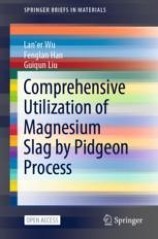
Comprehensive utilization of magnesium slag by pidgeon process
This book introduces the harmless handling/recycling of magnesium slag , the process of magnesium silicothermic reduction (Pidgeon process)which the slag was produced, and . the magnesium resources, layout of the industry of the world. Examples and experimental data in this book are from the author group’s research programs, as well as the rencent researches in China. The book could provide precious reference to scientists and engineers in the field of recycling and environment friendly use of the industrial solid wastes. It could also be used for researchers and students who are interested in relevant field.
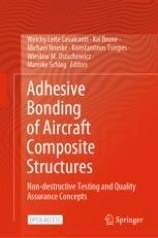
Adhesive Bonding of Aircraft Composite Structures: Non-destructive Testing and Quality Assurance Concepts
This book is under a CC BY 4.0 license. It presents the results of the ComBoNDT European project, which aimed at the development of more secure, time- and cost-saving extended non-destructive inspection tools for carbon fiber reinforced plastics, adhered surfaces and bonded joints. The book reports the optimal use of composite materials to allow weight savings, reduction in fuel consumptions, savings during production and higher cost efficiency for ground operations.

Austenitic TRIP/TWIP steels and steel-zirconia composites : Design of tough, transformation-strengthened composites and structures
This book presents a collection of the most up-to-date research results in the field of steel development with a focus on pioneering alloy concepts that result in previously unattainable materials properties.
