



Page 1
Page 1

Introduction to Drug Disposition and Pharmacokinetics
The application of knowledge of drug disposition, and skills in pharmacokinetics, are crucial to the development of new drugs and to a better understanding of how to achieve maximum benefit from existing ones. The book takes the reader from basic concepts to a point where those who wish to will be able to perform pharmacokinetic calculations and be ready to read more advanced texts and research papers.

Goodman & Gilman's the pharmacological basis of therapeutics ; 13th ed.
Correlates pharmacology with related medical sciences, to reinterpret the actions and uses of drugs in light of advances in medicine and the basic biomedical sciences, to emphasize the applications of pharmacodynamics to therapeutics, and to create a book that would be useful to students of pharmacology and to physicians.

Future approaches for safe and effective pain management
Pain is defined as an unpleasant sensory and emotional experience that is associated with actual or potential tissue damage or described in terms of such damage. It is subjective and considered an important physiological mechanism by which humans prevent themselves from developing tissue injury. However, pain patients do not respond to treatment in the same way, which makes it challenging to issue a consistent treatment for all pain conditions. Excessive pain can markedly increase psychological health problems and decrease health‐related quality of life; therefore, pain should be managed appropriately by analgesics. Analgesics act in various ways on the peripheral and central pain pathways and are regarded as one of the most valuable but equally dangerous groups of medications. Individual variability in pain perception and differences in the efficacy of analgesic drugs are complex phenomena and are partly genetically predetermined. Pain severities as well as responses to analgesics, can also be very variable among sufferer.

Encyclopedic Reference of Genomics and Proteomics in Molecular Medicine
This is the most authoritative and wide-ranging reference yet assembled on Functional Genomics (the systematic analysis and identification of genes and their function) and Proteomics (the study of the complex structures and functions of proteins) in the rapidly expanding field of Molecular Medicine. The two-volume reference work offers a comprehensive overview of the terms, topics and issues in both molecular biology and molecular medicine, with particular emphasis placed on the molecular causes of diseases. It provides up-to-the minute information about developments in the field, including pharmacogenetics and pharmacoproteomics, gene regulation and gene therapy. The Encyclopedic Reference of Genomics and Proteomics in Molecular Medicine is an invaluable tool for clinical scientists in academia and industry, and all who need fast and user-friendly access to key information in this dynamically developing field.
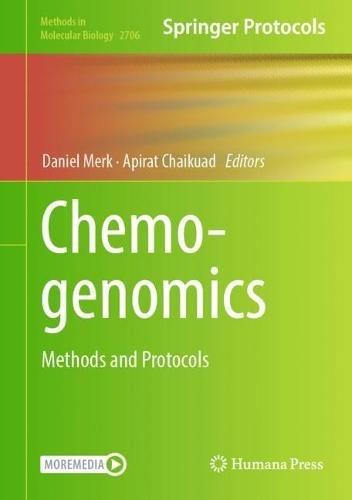
Chemogenomics : Methods and protocols
Presents both theoretical guidance and protocols on chemogenomics including chemogenomics library assembly, compound profiling, and phenotypic assays. The chapters in this book cover topics such as the assembly and use of Kinase Chemogenomics; data mining for chemogenomic compound candidates; protocols for protein family-focused assay systems to profile chemogenomic compounds; functional and target engagement assays in cellular settings for broad characterization; and a discussion on phenotypic assays where chemogenomic sets may be applied.

Biopharmaceutical drug design and development
Biopharmaceutical Drug Design and Development, Second Edition, updates the widely successful first edition, published in 1999. This new, expanded edition investigates the dozens of new biopharmaceutical drugs that have become available since the publication of the first edition. Among the drugs discussed are ones in the categories of monoclonal antibodies for in-vivo use, cytokines, growth factors, enzymes, immunomodulators, thrombolytics, and immonotherapies including vaccines. Additionally, the volume examines new and emerging technologies, such as bioinformatics, DNA microarrays, transgenics, therapeutic gene delivery, stem cells, nucleic acid-based therapeutics, and macromolecular drug delivery. Authors also study pharmacogenetics in the clinic and changes in biologic drug approval at the FDA. Biopharmaceutical Drug Design and Development, Second Edition, is a worthy sequel in the discussion on the dynamic, exciting field of biotechnology.
