Refine Results
Sort By
From
To



Faculties
Campus Facilities and Online Services

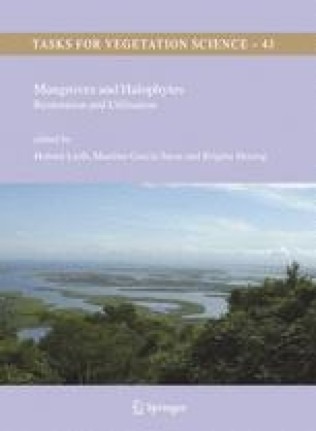
Focusing on Venezuela and Mexico, this edited volume from the International Society of Halophyte Utilisation (ISHU) explores the environmental issues facing South and Central America's coastal ecosystems, and discusses the uses of mangrove species and other halophytes in addressing issues of both coastal pollution and upland soil salinisation. The book draws on expertise from Europe and South America to present a series of case studies that detail Venezuela’s saline ecosystems and examine the economic potential of mangrove restoration and halophyte production. It includes cutting-edge research into the establishment of new mangrove stands which could serve as prototypes for the sustainable use of halophytes, including Chenopodium quinoa and Tamarix aphylla. Moreover, the detailed examples from Venezuela and other Caribbean countries provide useful models for comparison with halophyte utilisation in other parts of the world – especially the Mediterranean region, where much of the earlier research of the ISHU had been conducted.
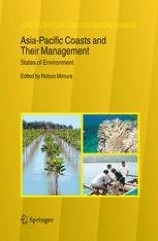
The Asia-Pacific region is home to the world’s largest region of coral reefs and mangroves. It accommodates two-thirds of the world’s human population and its economic activities have the highest growth rate in the world. Ongoing degradation of the environment, resulting from coastal development, deforestation, desertification and over-harvesting, are becoming a matter of great concern, as floods and droughts occur as a result of this degradation. Threats of global environmental change, such as climate change and sea-level rise, will exacerbate such problems. Therefore, appropriate policies and measures are needed for coastal management, to address both the local and global trends. This book gives an overview of the state-of-the-art understanding on the drivers, state, and responses to coastal environmental changes in the Asia-Pacific region. It provides excellent perspectives on current and anticipated environmental changes in the region’s coastal areas, to researchers, students, policy makers, coastal managers and other stakeholders.
