



Page 1
Page 1

Medical Pharmacology and Therapeutics
Provides all the information medical and healthcare students need throughout their degree programme and beyond, including for professional qualifications such as the PSA. This all-round textbook covers basic pharmacology through to drug prescribing in clinical contexts, covering the pathogenic mechanisms of disease; drug actions, side effects, and the therapeutic principles of drug use. It takes a helpful systems-based approach that orders information according to body systems and disease areas, rather than by drug class. Now in its sixth edition, the book has been fully updated to include latest scientific understanding of drug action and administration and current best practice in prescribing medications, informed by the latest national guidelines.

Goodman & Gilman's the pharmacological basis of therapeutics ; 13th ed.
Correlates pharmacology with related medical sciences, to reinterpret the actions and uses of drugs in light of advances in medicine and the basic biomedical sciences, to emphasize the applications of pharmacodynamics to therapeutics, and to create a book that would be useful to students of pharmacology and to physicians.

Exosomes based drug delivery strategies for brain disorders
Provides a comprehensive overview of the role of exosomes in brain diseases, including stroke, multiple sclerosis, Parkinson's disease, Alzheimer's disease, epilepsy, and depression. It covers the basics of exosome biogenesis, composition, and synthesis, as well as the therapeutic potential of exosomes in brain disorders. The correlation between exosomes and neuroinflammation, the challenges of using exosomes as a novel carrier, and engineered exosomes to deliver therapeutic protein are covered well in this book. Use of radiolabelled exosomes as a diagnostic tool and the toxicity studies of exosomes with potential overcome approaches. It is an essential resource for researchers, clinicians, and healthcare professionals working in the field of exosome research, especially on its applications in brain disorders.

DiPiro’s pharmacotherapy : A pathophysiologic approach
It is this in-depth knowledge of pharmacotherapy, combined with the clinical experience gained through postgraduate training in direct patient care practice, that allows the pharmacist to be the "medication therapy expert" on the healthcare team and to proactively address medication-related problems.It is provides knowledge necessary to prevent, identify, and manage disease and medication-related problems

Clinical pharmacy and therapeutics ; 6th ed.
Combines the skills of an interdisciplinary team of clinicians, pharmacists and nurses to present an integrated understanding of disease processes, evidence-based clinical pharmacology and optimal drug regimes.

Clinical pharmacy and therapeutics ; 5th ed.
Multi-disciplinary textbook continues to draw on the skills of pharmacists, clinicians and nurses to present optimal drug regimens. The authors integrate an understanding of the disease processes with an appreciation of the pathophysiological processes, clinical pharmacy and the evidence base. Each chapter is co-written by a pharmacist and a clinician, and each chapter begins with key points and ends with cases to test understanding.
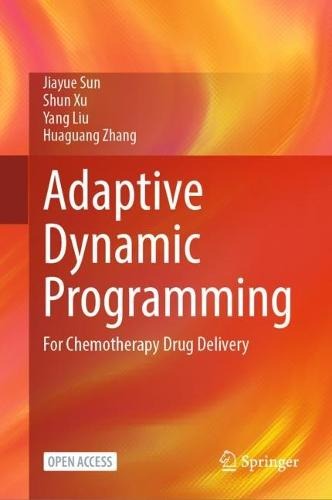
Adaptive dynamic programming for chemotherapy drug delivery
Focuses on the practical application of Adaptive Dynamic Programming (ADP) in chemotherapy drug delivery, taking into account clinical variables and real-time data. ADP's ability to adapt to changing conditions and make optimal decisions in complex and uncertain situations makes it a valuable tool in addressing pressing challenges in healthcare and other fields. As optimization technology evolves, we can expect to see even more sophisticated and powerful solutions emerge.
