



Page 1
Page 1
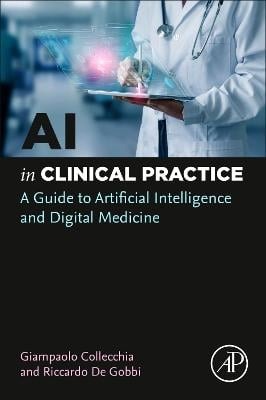
AI in clinical practice : A guide to artificial intelligence and digital medicine
Explains how artificial intelligence is applied to medicine, illustrating not only its enormous potential but also ancillary issues and the limits and risks inherent in its use on a large scale. The book focuses on the intersection between medicine and AI and its implications on the impact of human health care delivery. Topics discussed include wearable devices, health data, Internet of Things, virtual reality, robotic assistance system, and digital intelligence in the health sector. Additionally, sections discuss diagnostics and decision-making systems and machine/deep learning in clinical setting.
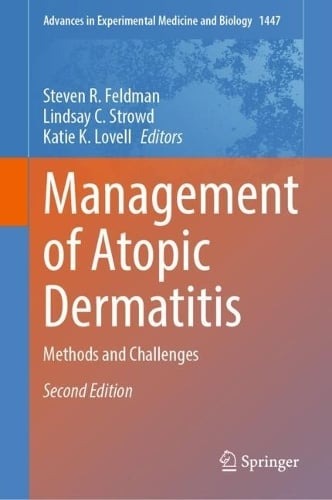
Management of atopic dermatitis : Methods and challenges
This new edition builds upon the foundational knowledge covered in the first edition, covering the epidemiology, pathogenesis, and clinical presentation of atopic dermatitis in both pediatric and adult patients. It provides an overview of the mechanism and presentation of atopic dermatitis and focuses on the management methods experienced dermatologists have used to successfully manage atopic dermatitis. The book includes new chapters describing the special considerations for atopic dermatitis in skin of color patients, dedicated chapters on topical and oral prescription management reflected the latest FDA-approved treatments, and also a chapter covering the updated guidelines from the American Academy of Dermatology. A final chapter includes updates on the future of atopic dermatitis treatment.
Machine learning for neurodegenerative disorders : advancements and applications
Explores the application of machine learning to the understanding, early diagnosis, and management of neurodegenerative disorders. With a specific focus on its role in ongoing clinical trials, the book covers essential topics such as data collection, pre-processing, feature extraction, model development, and validation techniques. It delves into the applications of neuroimaging techniques like magnetic resonance imaging (MRI), computed tomography (CT), and positron emission tomography (PET) in the diagnosis and understanding of neurodegenerative disorders. Additionally, the book examines various machine-learning algorithms employed for biomarker discovery in neurodegenerative disorders. It highlights the role of neuroinformatics and big data analysis in advancing the understanding and management of neurodegenerative disorders. Furthermore, the book reviews future prospects and presents the ethical considerations and regulatory challenges associated with implementing machine learning approaches in the diagnosis, treatment, and prevention of neurodegenerative disorders.
Lung biology and pathophysiology
The lungs are the organ for gas exchange between the body and the external environment. Dysfunction of upper airway epithelium and smooth muscle cells leads to pathogenesis of asthma, chronic obstructive pulmonary disease (COPD), cystic fibrosis, and other conditions, resulting in airway inflammation and narrowing. Injury to alveolar epithelium and endothelium causes influx of neutrophil and protein-rich fluid from circulation, resulting in edema and disruption of gas exchange. In addition to lung structural cells, immune cells, including alveolar macrophages and lymphocytes play critical roles in the maintenance of lung function. This book contributes to the understanding homeostasis of lung cells in the physiological and pathological conditions critical to the development of novel therapeutics.

Liver carcinogenesis : Methods and protocols
Discusses the latest advancements in modern methodologies used to study liver carcinogenesis. The first half of this book describes pertinent preclinical models of hepatocellular carcinoma (HCC) and cholangiocarcinoma (CCA), established either through orthotopic induction of ectopic implantation. The second half of this book covers a diverse array of techniques applied to characterize the biochemical and cellular composition of hepatic malignancies that operate at the single-cell and histological levels. Written in the highly successful Methods in Molecular Biology series format, chapters include introductions to their respective topics, lists of the necessary materials and reagents, step-by-step, readily reproducible laboratory protocols, and tips on troubleshooting and avoiding known pitfalls.

Lifestyle psychiatry through the lens of behavioral medicine
Lifestyle medicine is a practice which adopts evidence-based lifestyle interventions as a primary modality to prevent, treat, and reverse chronic diseases. The six main pillars of this specialty include physical activity, nutrition, stress resilience, cessation or risk reduction of substance use, quality sleep, and connectivity. Lifestyle psychiatry is a rapidly emerging area within healthcare informed by rigorous research within the social and biological sciences, public health, and medicine. A volume in the Lifestyle Medicine series, this book uses a comprehensive biopsychosocial approach to prevent and treat psychiatric disorders and promote mental and physical well-being through evidence-based lifestyle interventions.
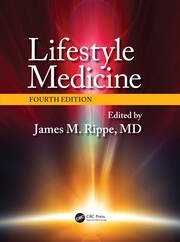
Lifestyle medicine
Contains extensive sections on the treatment and prevention of coronary heart disease,stroke, cancer, diabetes, obesity, substance abuse, dementia, and many other clinical conditions. Key lifestyle modalities such as physical activity, nutrition, weight management, sleep, stress reduction, and positive connections with other humans are supported by detailed discussion and state-of-the-art evidence. The expanded section on behavioral medicine provides an important framework for these discussions. Every chapter has been completely revised and many new topics added, such as lifestyle medicine for nursing, psychiatry, and preventive neurology.
Lactic acid bacteria : Methods and protocols
This updated volume presents experimentation-based approaches to lactic acid bacteria (LAB) research. Split into three parts, the book explores techniques for analyzing lactic acid bacteria metabolism and characteristics, applications for food-related industries, such as yogurt production, beer, and wine making, and functions of LAB in human health. Written for the highly successful Methods in Molecular Biology series, chapters include introduction to their respective topic, lists of the necessary materials and reagents, step-by-step and readily reproducible laboratory protocols, and tips on troubleshooting and avoiding known pitfalls.
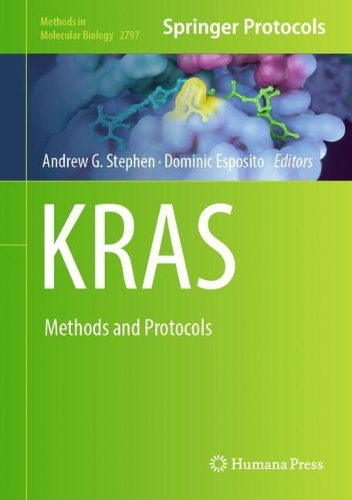
KRAS : Methods and protocols
Details protocols ranging from high yield production metabolically labeled KRAS for NMR studies to approaches that quantify engagement of novel molecules that bind KRAS in live cells. Chapters focus on protein production and characterization, biochemical assays, cell-based assays, KRAS-membrane interactions, targeting KRAS, and cell models.

Comparative genomics : Methods and protocols
Provides new and updated chapters covering computational and mathematical techniques and concepts related to the field of comparative genomics. The topics covered in the chapters range from those that address general techniques and concepts that apply to all organisms to others that are specialized and apply to specific biological systems such as viruses, bacteria, nematodes, and insects.
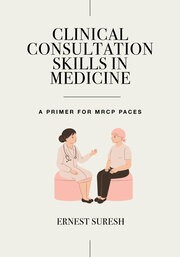
Clinical consultation skills in medicine : A primer for MRCP PACES
Follows the revised format of the Practical Assessment Clinical Examination Skills (PACES) exam conducted by the Royal College of Physicians in the UK, where ‘clinical consultation skills’ will be tested twice in two separate stations. Thus, coming closest to what doctors do in real life: obtain a structured history, perform a focussed examination and explain the problem to the patient in lay terms. This book takes readers through a rational approach to 63 common presenting symptoms or laboratory abnormalities in medicine. It is aimed at improving the clinical consultation skills of young doctors and preparing them for the new format of MRCP PACES
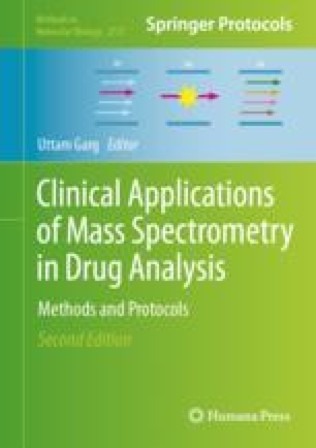
Clinical applications of mass spectrometry in drug analysis : Methods and protocols
This fully updated volume describes methods and protocols for a number of drugs and toxins in a stepwise manner. Exploring the versatility and flexibility of mass spectrometry, the book covers the advantages of this technology, which typically include elimination of the need for special reagents such as antibodies, increased sensitivity and specificity, and multi-component analysis enabling the screening of tens to hundreds of compounds in a single assay run. Written for the highly successful Methods in Molecular Biology series, chapters include introductions to their respective topics, lists of the necessary materials and reagents, step-by-step and readily reproducible laboratory protocols, as well as tips on troubleshooting and avoiding known pitfalls.

Circular RNAs
Guide readers through circular RNA purification, in silico characterization, circRNA detection, sequence validation, quantification , techniques related to gain- and loss-of-function approaches, circular RNA synthesis, split ligation, engineering, nanoparticle packaging, RNA modifications on circular RNA biogenesis, RNA translation potential, and vaccines based on circular RNAs.
Cilia : Methods and protocols
Covers the latest advancements in the study of ciliary complexity. Protocols cover genomic, proteomic, imaging, and functional analysis of different ciliated tissues and their wide applicability in cilia biology. Chapters in this book primarily focus on methods to study multiciliated cells, and discuss topics such as SARS-CoV-2 infections of human primary nasal multiciliated epithelial cells; expansion microscopy of ciliary proteins; live-imaging centriole amplification in mouse brain multiciliated cells; biophysical properties of cilia motility; and mucociliary transport device construction. Written in the highly successful Methods in Molecular Biology series format, chapters include introductions to their respective topics, lists of the necessary materials and reagents, step-by-step, readily reproducible laboratory protocols, and tips on troubleshooting and avoiding known pitfalls.
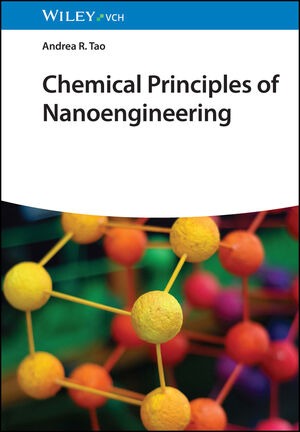
Chemical principles of nanoengineering
Nanomaterials, which possess at least one dimension lower than 100 nanometers, are increasingly at the forefront of technological and chemical innovation. The properties of these uniquely minute materials give them distinctive applications across a huge range of industries and research fields. It is therefore critical that the next generation of engineers and materials scientists understand these materials, their chemical properties, and how they form bonds
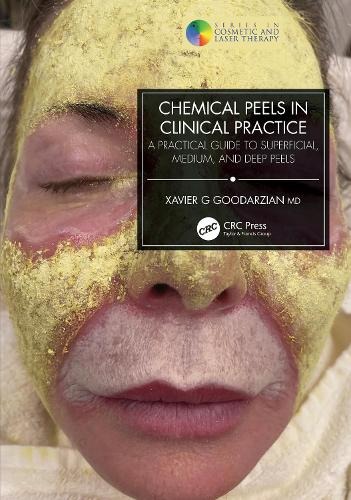
Chemical peels in clinical practice : a practical guide to superficial, medium, and deep peels
Making a practitioner's peeling experience easier and more practical. It contains sample patient forms, over 250 illustrations, and a wealth of tips for patient guidance and safe clinical practice.

Cell cycle control : Methods and protocols
Collects techniques to study the highly regulated cell cycle process. Beginning with chapters investigating these processes and assessing how cells respond when these complicated pathways are simplified by using synthetic biology and in vitro reconstitutions, the book continues by exploring how cells sense and respond to environmental conditions, different model systems and cellular types used to visualize cellular architecture during cell division, as well as innovative single cell microscopy techniques to highlight the heterogeneity of the cell population with respect to cell cycle progression. Written for the highly successful Methods in Molecular Biology series, chapters include introductions to their respective topics, lists of the necessary materials and reagents, step-by-step and readily reproducible laboratory protocols, and tips on troubleshooting and avoiding known pitfalls.
Carbon-based nanocarriers for drug delivery
Carbon-Based Nanocarriers for Drug Delivery enlists the latitudes and advancements in the synthesis processes, functionalization, and applications of carbon-based nanomaterials (CBNs) in targeted drug delivery systems (DDSs). It covers the applicability and suitability of CBNs as nanocarriers for efficient drug delivery application via elucidating the recent advancements in CBNs, their functionalized and innovative derivatives, and the relevant case studies. The book explores the necessity, efficacy, toxicological aspects, and challenges for the application of CBN in targeted DDSs.
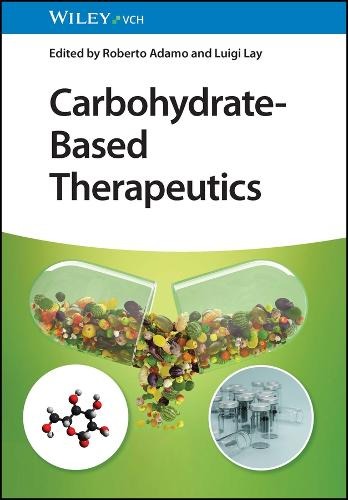
Carbohydrate-based therapeutics
Explores new frontiers in carbohydrate-based therapeutic applications, utilizing a unique approach by providing a detailed background of diseases coupled with subsequent carbohydrate-based therapies. The link between chemistry and design of novel carbohydrate-based medicines is highlighted and a broad overview of all the potential applications of carbohydrates is given. Emphasis is laid on concepts used for carbohydrate drug design, structure– activity relationship, and impact on health and diseases. The text also discusses newer topics like nanoparticles, material science, and tissue generation.
Cancer immunotherapy : Methods and protocols
Details multiple areas of new and emerging methods to develop the next generation of immunotherapy treatments. Chapters guide readers through analysis and characterisation of the interactions between tumour and immune cells, and cell engineering tools for cancer treatment, to provide a unique and compelling set of techniques instrumental to work with, and engineer, immune cells. Written in the highly successful Methods in Molecular Biology series format, chapters include introductions to their respective topics, lists of the necessary materials and reagents, step-by-step, readily reproducible laboratory protocols, and tips on troubleshooting and avoiding known pitfalls.
