



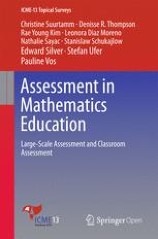
Assessment in mathematics education : Large-scale assessment and classroom assessment
Provides an overview of current research on a variety of topics related to both large-scale and classroom assessment. First, the purposes, traditions and principles of assessment are considered, with particular attention to those common to all levels of assessment and those more connected with either classroom or large-scale assessment. Assessment design based on sound assessment principles is discussed, differentiating between large-scale and classroom assessment, but also examining how the design principles overlap. The focus then shifts to classroom assessment and provides specific examples of assessment strategies, before examining the impact of large-scale assessment on curriculum, policy, instruction, and classroom assessment.
Related Books
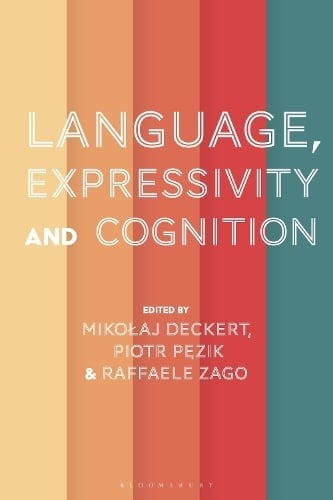
Language, Expressivity and Cognition
The book presents how language shapes communicative and cognitive processes but at the same time is also shaped by those processes. The chapters put forward a number of disciplinary and methodological perspectives encompassing insights from cognitive and social psychology, (critical) discourse analysis, cognitive linguistics, corpus linguistics and sociolinguistics. Both intralingual as well as contrastive, each chapter also engages with qualitative and quantitative methods.
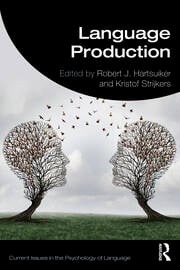
Language Production
This comprehensive text presents an up-to-date overview of the key topics in the field, providing important theoretical and empirical challenges to the traditional and accepted modal view of language production. Each chapter explores in detail a different aspect of language production, covering traditional methods including written and signed production alongside emerging research on joint action production. Emphasizing the neurobiological underpinnings of language, chapter authors showcase research that moves from a monologue-only approach to one that that considers production in more ecologically valid circumstances.
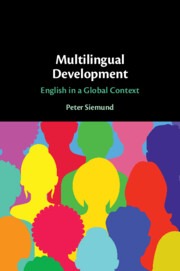
Multilingual Development : English in a Global Context
English as a global lingua franca interacts with other languages across a wide range of multilingual contexts. Combining insights from linguistics, education studies, and psychology, this book addresses the role of English within the current linguistic dynamics of globalization. It takes Singapore, Hong Kong, and Dubai as case studies to illustrate the use of English in different multilingual urban areas, arguing that these are places where competing historical assessments, and ideological conceptions of monolingualism and multilingualism, are being acted out most forcefully.

Multilingualism: Understanding Linguistic Diversity
Multilingualism is everywhere in our globalised society. Delving into the 'social life' of languages, John Edwards provides a brief yet compelling overview of multilingualism and its sociocultural implications and consequences. Covering major topics including language origins, language death, lingua francas, pidgins, creoles and artificial languages, this book provides a complete introduction to what happens when languages meet.
