



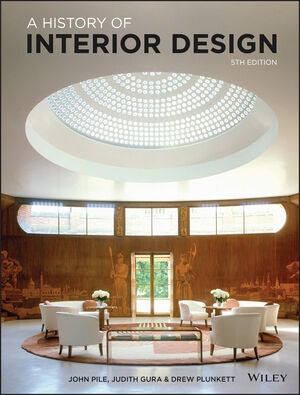
A History of Interior Design ; 5th Ed
Interior design describes the process by which an interior space is made into an effective setting for whatever range of human activities are to take place there. Much like the history of art, the history of interior design encompasses numerous styles, movements, and the influence of international, political, and social developments. A basic understanding of this history is important to students taking survey courses, professional designers looking to the past for inspiration, and for those interested in antiques, furniture design, and the general evolution of the spaces where we work and live
Related Books

Museum of the future
متحف المستقبل هو معلم ثقافي وتقني يهدف إلى استكشاف مستقبل الابتكار والتكنولوجيا والتصميم ويعتبر منصة لعرض الأفكار والمشاريع التي تساهم في تشكيل المستقبل. يعرض المتحف أحدث الابتكارات في مجالات الذكاء الاصطناعي، الروبوتات والتقنيات المستدامة. يعكس المتحف رؤية مستقبلية تسعى إلى أن تكون رائدة في مجالات التكنولوجيا والابتكار.

Men’s care center
"سين" مركزٌ للعافية والاسترخاء، مصمم بمزيج فريد من العناصر الطبيعية والهندسة المعمارية الحديثة ليمنح الزوار تجربة حسية متكاملة. يدمج المشروع المساحات الخضراء الداخلية والإضاءة الهادئة وخطوط التصميم المعاصرة لخلق بيئة فاخرة وهادئة. تشمل المساحات الرئيسية الحديقة الداخلية، والحمام التركي التقليدي، وغرف كبار الشخصيات، ومنطقة الاستقبال - جميعها مُرتبة بعناية لتعزيز الهدوء والتوازن. يركز التصميم على التفاصيل المعمارية والوظيفية، موفرًا للضيوف ملاذًا من ضغوط الحياة اليومية. خضعت التصاميم الداخلية والخارجية لدراسة دقيقة لضمان تجربة راقية وشاملة. “Sén” is a wellness and re laxation center designed with a unique blend of natural elements and modern architecture to provide visitors with a complete sensor experience. The project integrates indoor greenery, calming lighting, and con temporary design lines to create a luxurious and peaceful environment. Key spaces include the indoor garden, traditional hammam, VI P rooms, and reception area — all carefully arranged to promote tranquility and balance. The design focuses on architectural and functional details, offering guests a retreat from the stresses of everyday life. Both interior and exterior designs were carefully studied to ensure a refined and holistic experience.

Halfstory Center : مركز طلابي خدمي ترفيهي
يُعد هذا المركز مساحة متكاملة تهدف إلى دعم الطلبة من خلال تقديم خدمات متنوعة تجمع بين الجوانب الأكاديمية، والخدمية، والترفيهية. يسعى المركز إلى خلق بيئة محفزة تُمكن الطلبة من تطوير مهاراتهم، وتنمية مواهبهم، وقضاء أوقات فراغهم بشكل إيجابي ومفيد. كما يضم المركز مرافق متعددة تشمل قاعات للدراسة والاجتماعات، ومركزاً للدعم الأكاديمي، ومكاتب لخدمة الطلبة، إلى جانب مساحات مخصصة للأنشطة الترفيهية مثل صالات الألعاب، ومناطق الاستراحة، والمقاهي. كما يُنظم المركز فعاليات وورش عمل وأنشطة اجتماعية وثقافية على مدار العام ويهدف المركز إلى تعزيز روح الانتماء لدى الطلبة، وتوفير بيئة داعمة تسهم في تحسين تجربتهم الجامعية على المستويين الأكاديمي والشخصي.

Golden brands
يتحدث المشروع عن تصميم لمجمع تجاري مختص بعالم الموضة والأزياء ويضم مجموعة من الماركات العالمية. يتألف المبنى من ثلاث طوابق بمساحات واسعة ويتسم شكله العام بتشكيل أقرب إلى مثلث بنهاية عريضة ما أتاح الفرصة لتصميم فراغات داخلية غير تقليدية تدعم فكرة العرض الفاخر. يرتكز التصميم الداخلي على الطراز المودرن الفخم الذي ينسجم مع طبيعة الماركات العالمية، ومن خلال استخدام خامات راقية، توزيع مدروس للمحلات، مسارات حركة واضحة وإضاءة مدرسة تعزز من تجربة الزوار داخل المول.
