



Page 1
Page 1

What does our nail tells us
A nail is a keratinized structure that protects the fingertip and the adjacent tissues from injuries. Abnormalities in the nail shape, attachment, surface and color can be occurred due to several conditions like dermatological disorders, systemic diseases, fungus, hereditary, drugs and malnutrition. Human nails may act as an indication and it is a very useful method for the treatment of various illnesses related to specific organ system such as renal system, pulmonary diseases, gastrointestinal disease, cardiovascular system, hematologic system, endocrine system, infectious disease, central nervous system, psychological disorders and autoimmune disorders.

Rhinosinusitis : A Guide for Diagnosis and Management
Rhinosinusitis is one of the most common health care complaints, with many millions of cases managed annually by a variety of practitioners, from family care physicians and pediatricians to allergists, pulmonologists, and otolaryngologists. Rhinosinusitis: A Guide for Diagnosis and Management provides a comprehensive, practical guide to treating this widespread condition. Medical, surgical, and pharmacological management of both acute and chronic forms are discussed by experts with a wealth of clinical experience. Pediatric considerations and the role of allergies, asthma, and systemic diseases such as cystic fibrosis are discussed. A special chapter is devoted to alternative medicine in recognition of its increasing role in health care management. Diagnostic imaging techniques such as MRI and CT are discussed in detail.

Periodontology at a glance
Provides readers with an easy-to-use tool to assimilate the key information about periodontics by illustrating each topic with a double-page spread that encapsulates essential knowledge. Clear diagrams and clinical pictures are accompanied by succinct text, providing a highly visual format to facilitate ease of learning. Suggestions for further reading are provided selectively where appropriate, and the authors present a useful distillation of the salient research literature. covers: Anatomy of the periodontium A etiology, diagnosis and classification of periodontal diseases Surgical and non-surgical therapiesPatient management Risk factors, including systemic disease

Periodontitis : Current status and the future
Periodontitis is a common inflammatory disease, in which the composition of the oral biofilm and the individual immune response have significant impacts. Severe periodontitis is one of the most prevalent conditions in the world, leading to periodontitis being a public health concern. It is widely accepted that periodontitis may be a modifiable risk factor / modulator for several systemic diseases, including diabetes, cardiovascular disease, adverse pregnancy outcomes, rheumatoid arthritis, chronic obstructive pulmonary disease and chronic kidney disease. It seems to have an influence not only on the manifestation and progression but also on the prognosis of several systemic diseases. The biological plausibility linking periodontitis and various systemic diseases could, among other things, be due to bacteremia and their associated systemic inflammatory consequences. This raises the question of whether individualized periodontal therapy could possibly reduce the risk of the development of systemic diseases or positively influence their outcome.

Periodontal manifestations of local and systemic diseases : Color atlas and text
Illustrates the important relationship between periodontal and systemic health and disease with a wealth of superb illustrations. The periodontium as a part of the oral tissues is of great interest to dentists and its importance extends beyond local disorders to a wide range of conditions that may affect periodontal health. The atlas covers both local and systemic disorders including inflammatory diseases, developmental disorders, metabolic disorders, endocrine disorders, cancer and a vast number of other diseases, that may present with gingival or periodontal lesions.

Periodontal disease : Diagnosis, management options and clinical features
Periodontal disease (PD), an inflammatory disease of tooth supporting tissues that leads to progressive loss of periodontal ligament and bone, with pocket formation and / or recession of the gums, is widespread among the world adult population and a serious public health issue. In this book, Chapter One reviews the literature about the use of probiotics in periodontal disease, including in vitro, in vivo and clinical studies, in order to improve the understanding of probiotics’ role in periodontal disease and discusses the effectiveness of their use as a therapy for periodontitis. Chapter Two studies the model of periodontitis induction by ligature and presents a protocol for performing it in rats and mice, based on the experience of the authors’ research group, to guide researchers who wish to develop the model. Chapter Three focuses on nutritional and systemic risk factors for periodontitis, focusing on modifiable common risk factors that also impact cardiometabolic disease, which can be targeted through oral and medical health professionals for improving periodontal and cardiometabolic health. Chapter Four discusses the main manifestations of gingivitis, chronic periodontitis, aggressive periodontitis, and periodontal disease resulting from systemic diseases.

Oral Rehabilitation for Compromised and Elderly Patients
This book is designed to help dentists in general practice to improve the results of prosthetic procedures in medically compromised and elderly patients. In particular, it critically scrutinizes various dogmas that govern practitioners’ approaches yet lack sound scientific support and often have an adverse effect on outcomes.

Oral pathology in the pediatric patient : A clinical guide to the diagnosis and treatment of mucosal and submucosal lesions
This book is a practical, user-friendly guide to the clinical diagnosis and treatment of the oral mucosal and intraosseous lesions most frequently encountered in pediatric patients. For each entity, a characteristic clinical photograph is provided, the clinical appearance is concisely described, and guidance is offered on differential diagnosis and treatment options.

Oral Microbiology and Immunology ; 3rd ed.
Links between oral infections and systemic disease. Revised and updated overview of the role of the immune system in oral infections. Thorough discussions of biofilm development and control. more extensive illustrations and Key Points for student understanding

Oral medicine : A clinical guide
Covers pertinent topics in the specialty of Oral Medicine, which focuses on the diagnosis, prevention, and management of local and systemic conditions affecting the oral and maxillofacial region. Each topic covers a specific disease or disorder with overarching emphasis on diseases presenting with oral mucosal involvement and orofacial pain conditions. Each topic is presented as a summary of key clinical information for quick reference prepared by leading experts in the field.

Oral Health and Herbal Medicine
Oral health loss is one of the major problems existing all over the world and is one of the top causes of death when unmanaged. The oral cavity is home to numerous pathogenic microorganisms, some of which are responsible for the progression and development of various systemic diseases such as cancer, diabetes and myocardial infarction. Worldwide, 60–90% of school children and nearly 100% of adults have dental cavities, often leading to pain and discomfort. There are implications for the global economy as well, due to the continuous burden of investing resources to maintain oral hygiene. Not surprisingly, developing countries are disproportionally affected. There is thus an urgent need to develop economical solutions for the treatment of oral diseases.

Oral Health and Aging
Provides a comprehensive review of the assessment and management of older people’s oral health care needs. Discussing recent initiatives to emphasize oral health promotion and prevention, the book describes improvements in pharmacological and non-pharmacological approaches for special populations in geriatrics and illuminates the role of barriers to oral health care for older people. Divided into three sections, the book first explores aging and oral health, including age-related changes, epidemiology, nutrition, dysphagia, aspiration pneumonia, xerostomia and hyposalivation, management of periodontal disease and caries, systemic diseases that influence oral health, and considerations for chronic orofacial pain. The second section illuminates the ways in which frailty and other geriatric syndromes influence oral health care in older adults with a special focus on frailty, dementia, delirium and depression, and the delivery of oral health care to vulnerable geriatric populations in long-term care, home care, palliative care, and hospice.

Internal medicine for dental treatments: patients with medical diseases
Illustrates the precautions for dental treatment with patients with medical diseases and presents the correlation and relationship between oral symptoms and systemic diseases. It is organized into two parts; the first part is symptomatology presenting the description of some symptoms as general remarks. Then comes the part explaining the diseases, which describe the associations between each medical disease and the oral conditions. Chapters provide intraoral figures and in-depth information to help readers understand the symptoms, mechanisms, and responses, the comorbidities, and medications.

Handbook of Pediatric Eye and Systemic Disease
Concise yet comprehensive, the chapters in this handbook are reader friendly, organized with clear sub-headings to quickly guide the reader to areas of interest. Excellent, detailed color photographs and diagrams illustrate and enhance the clinical pearls. Extensive use of tables and information boxes helps to simplify and summarize complex topics.Also included is a comprehensive outline of the ocular manifestation of inherited diseases. This chapter provides a clinical snapshot of dozens of congenital conditions and their ocular manifestations.

Dental implant treatment in medically compromised patients
This book is an ideal reference guide for clinicians seeking to improve their decision making and treatment outcomes when placing dental implants in medically compromised patients, in whom conditions for osseointegration and soft tissue healing may be unfavorable.
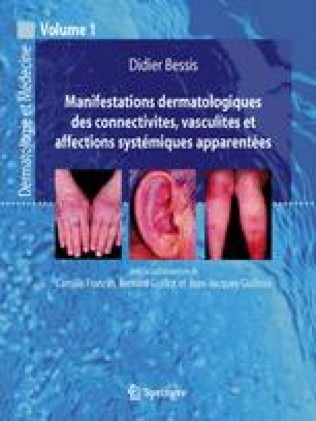
Manifestations dermatologiques des connectivites vascularites et affections systémiques apparentées : Dermatologie et médecine = Dermatological manifestations of connectivitis, vasculitis and related systemic conditions: Dermatology and medicine
Deals with all the skin and mucous membrane manifestations observed during the various so-called systemic, common or rare diseases. Each chapter covers in an exhaustive and original way the clinical, anatomopathological and therapeutic knowledge essential to the practice of dermatology and internal medicine. The work is abundantly illustrated with color clinical iconography, carefully selected for its clinical representativeness. The didactic anatomopathological figures have been enriched with explanatory diagrams facilitating their reading by the practitioner unfamiliar with dermatological histology. Produced by a group of leading authors in their field, this book is intended for dermatologists, rheumatologists and internists as well as all professionals concerned with systemic diseases and internal medicine.

Clinical guide to oral diseases
A concise reference on the common diseases encountered in daily practice. Presenting a large selection of clinical cases, this user-friendly resource covers a range of oral and perioral lesions located in hard and soft tissues of the mouth and neck, as well as oral manifestations of various systemic diseases. Nearly 300 high-quality color images complement succinct descriptions of clinical cases seen in both community and hospital care settings. Provides nearly 300 high-quality clinical photos and relevant questions to help lead readers to the proper diagnosis of common oral diseases Contains concise tables relevant to each chapter with a list of common oral lesions and conditions Offers MCQs of varying levels of difficulty to help readers test their knowledge in Oral Medicine Includes clinical flow charts according to the location and duration of oral lesions Incorporates the ICD-10 Codes of oral lesions and diseases

Buccal patches of salbutamol
The Potential of alternative routes of application compared to the traditional oral route is constantly growing. Especially in transmucosal applications for the oral cavity, the oral mucosa's accessibility, excellent blood supply, by-pass of hepatic first pass metabolism, rapid repair and permeability profile make it an attractive site for local and systemic drug delivery. Technology advance in mucoadhesive, sustained drug release, permeability enhancers and drug deliver vectors are increasing the efficient delivery of drug to treat oral and systemic disease...

Advances in endodontics and periodontics
Aims to improve the state of the art in relation to the most relevant advances in Endodontics and Periodontics. Topics addressed in this Special Issue include alternative treatment strategies such as “green” antimicrobials, the relationship with systemic diseases, new devices and materials which enable a reduction in therapy failures, as well as updating evidence-based knowledge pertaining to endodontics and periodontics.
