



Page 1
Page 1

Ibuprofen : Clinical Pharmacology, Medical Uses and Adverse Effects
Presents topical research in the study of the clinical pharmacology, medical uses, and adverse effects of ibuprofen. Topics discussed include the occurrence, ecotoxicity and water remediation technologies of ibuprofen in the aquatic environment; associated adverse drug reaction in ibuprofen use; hybrid multifunctional ibuprofen drugs; a pharmaceutical nanotechnology approach to ibuprofen delivery; vibrational dynamics and chiral properties of racemate and pure enantiomers of ibuprofen complexed in cyclodextrins; therapeutic effects of ibuprofen on transgenic mice models of neurodegenerative diseases; and the use of ibuprofen for pain relief in gynecology.

Gentamicin : Biosynthesis, medicinal applications and potential side effects
Discusses the biosynthesis, medicinal applications and potential side effects of Gentamicin. Topics include Gentamicin used in combination therapy and applied to medicinal materials for clinical applications; use of natural products to enhance the antibiotic activity of Gentamicin and other aminoglycosides; regiospecific Gentamicin functionalization; Gentamicin and particle engineering; and the indications and adverse effects of Gentamicin.

Fluconazole : Pharmacology, clinical uses and health effects
Fluconazole is a triazole antifungal drug used in the treatment and prevention of superficial and systemic fungal infections. In this book, the authors present current research in the study of the pharmacology, clinical uses and health effects of fluconazole. Topics discussed include the utilization of fluconazole in adult intensive care units; the use of fluconazole in veterinary species and a description of variances from the human experience as well as findings in veterinary species which may have applicability in human medicine; common clinical uses and in vitro activity features on fluconazole; and the discovery and development of medically-important antifungal agents, particularly the azole derivatives and the development of fluconazole and its clinical applications.
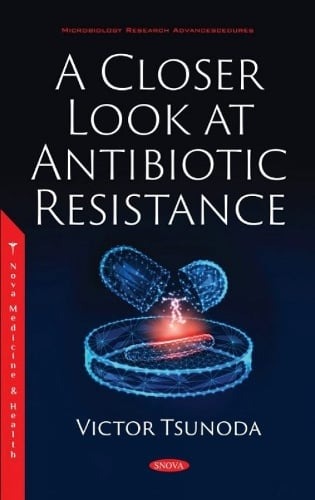
A Closer Look at Antibiotic Resistance
Bacterial infections have become more difficult, and sometimes impossible, to treat due to antibiotic resistance, which occurs when bacteria develop the ability to defeat the available drugs designed to kill them. According to the Centers for Disease Control and Prevention, each year, 2 million Americans become sick with antibiotic-resistant infections, and of that, about 23,000 die. This book examines the challenges related to antibiotic resistance, the development and use of diagnostic testing to identify antibiotic resistance, the development of treatments for resistant infections, and appropriate antibiotic use.
