



Page 1
Page 1

Omega-3 fatty acids : Keys to nutritional health
Argues for the importance of essential nutrients in our diet. Over the last two decades there has been an explosion of research on the relationship of Omega-3 fatty acids and the importance of antioxidants to human health. Expert authors discuss the importance of a diet rich in Omega-3 Fatty acids for successful human growth and development and for the prevention of disease. Chapters highlight their contribution to the prevention and amelioration of a wide range of conditions such as heart disease, diabetes, arthritis, cancer, obesity, mental health and bone health.

Obstetric life support manual
A comprehensive review in normal and abnormal pregnancy physiology, the most common etiologies of maternal medical emergencies, recognition of maternal deterioration and pending cardiopulmonary arrest, modifications to cardiopulmonary resuscitation in pregnant and postpartum patients, special procedures that can assist in diagnosing and treating maternal medical emergencies tailored to the setting (e.g., point-of-care ultrasound, resuscitative cesarean delivery, extracorporeal cardiopulmonary resuscitation), treatment of trauma/stroke in pregnancy, and postpartum maternal medical emergencies. There are streamlined algorithms and cognitive aids designed to improve a team’s ability to successfully implement techniques unique to treating maternal medical emergencies and car..

Nutraceuticals in cardiac health management
Cardiovascular diseases (CVDs) constitute the major cause of death worldwide, claiming nearly 18 million lives each year. Multiple foods and nutraceuticals have been proven to reduce the risk of cardiovascular disease. This new book offers an informative update on the most recent scientific evidence addressing the use of nutraceuticals in the prevention and management of heart disease. It summarizes the functional foods that are involved in preventing the risk of CVDs, the mechanisms of the bioactive components that lower the risk of chronic illnesses, as well as the dietary patterns that are involved in the prevention of CVDs. It also covers specific nutraceuticals, including probiotics, dietary fibers, garlic, green tea, vitamins, tomatoes and other lycopene-rich fruits and vegetables, dietary supplements, bee products, and more. In addition, it focuses on detailing the endothelial effects of marine- and plant-derived omega-3 fatty acids and marine-derived natural flavonoids in hypertension and CVDs.
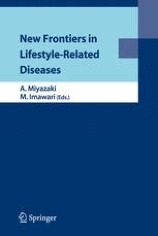
New Frontiers in Lifestyle-Related Diseases
Akiyoshi Hosoyamada, M.D., Ph.D. President, Showa University Tokyo, Japan September 2007 v Preface The leading cause of death in Western countries and some developing countries is atherosclerotic cardiovascular diseases. Among them, acute myocardial infarction is the most common type of fatal disease, caused by the progression of atherosclerosis characterized by accumulation of choles terol in vascular walls. Development of atherosclerosis is greatly enhanced by major risk factors for cardiovascular diseases such as obesity, hyperlip idemia, diabetes (hyperglycemia), and hypertension. Among those, obesity frequently initiates a metabolic change that subsequently induces hyperlip idemia, diabetes, hypertension, and eventually atherosclerotic cardiovascu lar diseases. Because obesity and its related disorders largely depend on lifestyle factors such as high calorie intake and low physical activity, a series of disorders are termed lifestyle-related diseases.

Myocardial Ischemia : From Mechanisms to Therapeutic Potentials
This book is meant to bridge the gap between original literature and textbook reviews. It brings together investigators of various backgrounds who share their expertise in the biology of myocardial ischemia. Each chapter is a self-contained mini-review, but it will soon become apparent to the reader that there is also a common thread: Molecular and cellular cardiology has never been more exciting than now, but ever more exciting times are yet to come.

Molecular Mechanism of Congenital Heart Disease and Pulmonary Hypertension
This book focuses on the molecular mechanism of congenital heart disease and pulmonary hypertension, offering new insights into the development of pulmonary circulation and the ductus arteriosus. It describes in detail the molecular mechanisms involved in the development and morphogenesis of the heart, lungs and ductus arteriosus, covering a range of topics such as gene functions, growth factors, transcription factors and cellular interactions, as well as stem cell engineering technologies

Mitral valve diseases
The heart is a pump consisting of 4 chambers:2 atria and 2 ventricles and 4 valves one of them is mitral valve which is located betweenthe left atrium and the left ventricle and prevents the backward flow of blood.Ithas several unique features: Mitral annulus, two leaflets, the chordae tendineaeand papillary muscles. The mitral valve may become stenotic or may regurgitate. Regurgitation(or leakage of the valve): When the valve (s) do not close completely. Stenosis (or narrowing of the valve): When the valve (s) opening becomes narrowed. Mitral stenosis is categorized as mild, moderate or severe it is typically causedby (Rheumatic fever, A congenital heart, Calcium deposits .....) and it caused severalsymptoms such as: dyspnea, hemoptysis, fatigue, Chest pain and others Where as the Signs and symptoms of mitral valve regurgitation, can include: Abnormal heart sound, Shortness of breath, Heart palpitations, Fatigue, edma, Coughing.

Mitochondria and the Heart
The function of the heart is highly dependent on oxidative energy that is generated in mitochondria. Defects in mitochondrial structure and function can be found in association with cardiovascular diseases. Mitochondria and the Heart discusses the role that mitochondria plays in cardiovascular disease, including biogenesis and function of cardiac mitochondria during normal growth, development and aging. In addition, nonbioenergetic, biogenesis and degradation pathways are explored. Understanding these pathways and the effects that mitochondrial defects have in cardiac pathology is extremely important in establishing the diagnosis and treatment of mitochondrial-based cardiac diseases.
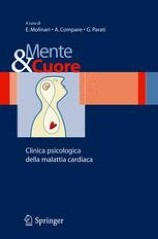
Mente e Cuore : Clinica psicologica della malattia cardiaca = Mind and heart : Psychological Clinic of Heart Disease
Recent data has shown that there is a relationship between psychological conditions and heart disease. Furthermore, psychological interventions on patients with coronary heart disease (CHD) can reduce heart risk and improve their quality of life. This volume, which is the result of collaboration with the most committed international researchers in the field of clinical psychology and health applied to heart disease, presents an updated and complete overview of scientific research in this area. The first part of the volume presents the psychological pictures and relational aspects associated with heart disease with a particular focus on personality traits. The second part illustrates the psychological interventions in cardiac rehabilitation that research has shown to be effective in reducing cardiac risk. This text can be a useful reference to the practice of doctors, psychologists and health professionals who want to understand and deepen the link between heart disease and psychological aspects.

Intermittent fasting
The potential benefits of intermittent fasting are not limited to weight loss and weight management. Recent studies have shed light on its role in adaptive cellular responses that reduce oxidative damage and inflammation, optimize energy metabolism and bolster cellular protection. By reprogramming metabolic and stress resistance pathways, intermittent fasting has the possible ability to increase longevity and reduce aging. Studies on animals have given promising result that show how intermittent fasting help prevent and treat diseases like diabetes, cancers, heart disease and neurodegeneration. Major mechanisms hypothesized to link fasting regimens with human health: circadian biology and the gastrointestinal microbiota.
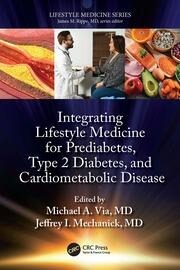
Integrating lifestyle medicine for prediabetes, type 2 diabetes, and cardiometabolic disease
Provides clinical evidence for and a mechanistic understanding of the six pillars of lifestyle medicine. It guides the reader to identify opportunities for early intervention rather than focus on the diagnosis and treatment of the established disease. Interventions at earlier points have the potential to mitigate progression, prevent complications, reduce costs, and improve a patient’s overall health at all points in their lifetime.

Hypoplastic Left Heart Syndrome
Hypoplastic Left Heart Syndrome draws together the experiences of the leading experts in the field. Through their work in all aspects of congenital cardiac care, they have become acknowledged as the world leaders in the diagnostic, medical and social needs of children born with hypoplasia of the left heart. More importantly, for the first time the book recognizes the crucial contributions made by the families of these children. Diagnostic possibilities, options for medical and surgical treatment and a history of their evolution are looked into and the book also gives an insight into the longer-term effects that treatment has on the child and its family. As well as including contributions from medical clinicians, nurses, and psychologists, for the first time a forum is provided for the parents, who have complemented the contributions from the medical and nursing experts to provide a holistic view of the lives and experiences of the children born with this condition. No other publication, currently available, offers such a comprehensive overview of the care required by a child with hypoplasia of the left heart. This book provides the ultimate reference for anyone treating children with this heart condition, particularly paediatric cardiac clinical and nursing teams, radiologists and radiographers, obstetric medical and nursing teams, psychologists, pathologists, geneticists and workers in social care.

Hyperlipidemia Management for Primary Care : An Evidence-Based Approach
Hyperlipidemia Management for Primary Care: An Evidence-Based Approach is a comprehensive resource for primary care providers that offers information and treatment options that can be incorporated with ease into everyday clinical practice. This evidence-based text weighs the benefits of pharmacologic treatments, popular diets, therapeutic foods, herbs and vitamins as a means to manage hyperlipidemia.

Heart block
Cardiac muscle (also called heart muscle or myocardium) is one of three types of vertebrate muscle tissue, with the other two being skeletal muscle and smooth muscle. It is involuntary, striated muscle that constitutes the main tissue of the wall of the heart. The cardiac muscle (myocardium) forms a thick middle layer between the outer layer of the heart wall (the pericardium) and the inner layer (the endocardium), with blood supplied via the coronary circulation. It is composed of individual cardiac muscle cells joined together by intercalated discs, and encased by collagen fibers and other substances that form the extracellular matrix.
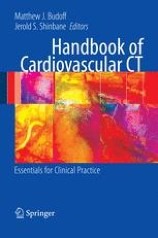
Handbook of Cardiovascular CT : Essentials for Clinical Practice
Handbook of Cardiovascular CT: Essentials for Clinical Practice has been created as a primer to assist cardiologists, radiologists and other readers involved in cardiac imaging, this book’s compact format provides a handy reference tool and provides the answers to important cardiovascular CT questions.
Handbook of cardiac anatomy, physiology, and devices
Because of rapid growth in the medical device industry-which today enjoys revenues as large as those of the automobile industry-as well as in our understanding of cardiac disease processes, biomedical engineers must cope with a rising tide of highly complex information. In Handbook of Cardiac Anatomy, Physiology, and Devices, leading experts from the University of Minnesota's renowned Lillehei Heart Institute and scientists from Medtronic, Inc. have compiled a concise-yet detailed and comprehensive-reference source on the anatomic features, underlying physiologic mechanisms, and treatments for diseases of the heart. Here, active bioengineers working on cardiac devices will find the complete critical background they need to understand cardiac pacing, defibrillation, cardiac repair using stem cell therapy, robotics, less invasive cardiac surgery, biventricular pacing, cardiac bioenergetics, and more. Insightful chapters address animal models for cardiac research, cardiac mapping systems, heart valve disease, ventricular assist devices, and genomics-based tools and technology.

Etiology and Morphogenesis of Congenital Heart Disease : From Gene Function and Cellular Interaction to Morphology
This volume focuses on the etiology and morphogenesis of congenital heart diseases. It reviews in detail the early development and differentiation of the heart, and later morphologic events of the cardiovascular system, covering a wide range of topics such as gene functions, growth factors, transcription factors and cellular interactions that are implicated in cardiac morphogenesis and congenital heart disease. This book also presents recent advances in stem cell and cell sheet tissue engineering technologies which have the potential to provide novel in vitro disease models and to generate regenerative paradigms for cardiac repair and regeneration

Essential Cardiology : Principles and Practice
The ideal textbook of cardiology lies between the very detailed and enormous encyclopedias of cardiology and the diminutive manuals and handbooks that provide a quick but superficial tour of the field. Clive Rosendorff, md, phd, and a panel of researchers and clinician-scientists, who are all leaders in their fields, create such a text with their second edition of Essential Cardiology: Principles and Practice. Drawing on years of practical experience, as well as the enormous number of recent scientific and clinical advances.
Echocardiography in Adult Congenital Heart Disease
This book provides the cardiologist with access to the considerable wealth of imaging data from Royal Brompton Hospital and National Heart and Lung Institute in London, UK. Consequently, the book contains numerous echocardiographic images to illustrate the appearances of rare defects and demonstrates areas for using non-invasive imaging to assess cardiac physiology in different disease.

Echocardiographic Anatomy in the Fetus
With recent advances in ultrasound systems, storing multiple digital frames and clips with superb image quality has become a reality. These advances have brought innovative applications into the clinical field and can be integrated into powerful multimedia presentations for teaching purposes.
