



Page 1
Page 1

New Vision of Metformin in treating cancer
The anti-diabetic drug metformin is rapidly emerging as a potential anticancer agent. Metformin is a biguanide that is effective in treating type 2 diabetes and the insulin resistance syndromes, improves insulin resistance by reducing hepatic gluconeogensis and by enhancing glucose uptake by skeletal muscle. Metformin can reduce the incidence of cancers and can reduce the mortality from cancers, increase the response to treatment cancer cells when using radiotherapy and chemotherapy, reduce the likelihood of relapse. Diabetes can be a factor in the occurrence of various types of cancer, and develop a variety of cancers such as colo-rectal, pancreas and liver cancers, compared to non-diabetic patients. Incidence of various cancers is high among patients of T2DM due to insulin resistance and mitogenic effects caused by hyperglycemia.

New diagnostic method th detect peritoneal metastases in colorectal cancer
Colorectal cancer is the third common reason of death in population worldwide therefore we will focus in our study about description of this type of cancer and its symptoms to raise the public awareness to go to the right specialist as soon as the symptoms appear to improve early detection of this disease and the overall survival and we will highlight the best diet and life style to avoid this type of cancer hopefully beside that we will present all the most successful therapies of this disease from different classes of compounds such as chemotherapy or anti angiogenic and Metformin and other bacterial therapy however the major goal of the experimental part of this research is performed to establish a new promising diagnostic tool by Near Infra-red camera after injection of indyocine green to detection the peritoneal metastasis of colorectal in 15 patients since this kind of metastasis

Exchange traded funds : Structure, regulation and application of a new fund class
The organization of traditional mutual funds as Exchange Traded Funds (ETFs) produced revolutionary changes in the fund industry. These changes, and the subsequent events to which they led, have greatly - creased the practical way of trading funds. Traditional mutual fund m- kets were fragmented, and transactions were both costly and from time to time difficult to arrange. Investments in emerging markets for example were anything but efficient. As a consequence of establishing ETF funds market segments, the efficiency of transactions has been broadly increased as well as transaction costs dramatically reduced. All this changed in the early Nineties with the introduction of the first ETF for the purpose of trading funds. Exchange Traded Funds – Structure, Regulation and Application of a New Fund Class is a comprehensive summary of articles covering all aspects of the Exchange Traded Fund industry.The present book is divided into four parts: The opening part, containing ETFs – A Leading Financial Innovation and From Continent to Sectors: Challenges and Uses of ETFs in Europe, is - signed to give the reader broad insight into the industry, developments and trends. Further, the article Spiders: Where Are the Bugs? examine the characteristics and performance of these instruments from an academic point of view.

Drug repurposing : A new fashion for a new hope
The repurposing of drugs is becoming increasingly attractive as it avoids the long process and cost implications associated with bringing a novel drug to market i.e., drug repurposing is cost effective and time saving. This study will discuss the repositioning of several drugs that belong to different pharmaceutical classifications such as antimicrobials (itraconazole and fluoroquinolones), anti-diabetic agents (metformin and sodium glucose co-transporter 2 inhibitors), cardiovascular drugs (β-blockers and digoxin), anticonvulsants (topiramate), immunosuppressants (sirolimus), non-steroidal anti-inflammatory drugs (NSAIDs e.g., COX inhibitors), and cholesterol lowering drugs (statins).

Drug Metabolism, Pharmacokinetics and Bioanalysis
Drug metabolism/pharmacokinetics and drug interaction studies have been extensively carried out in order to secure the druggability and safety of new chemical entities throughout the development of new drugs. Recently, drug metabolism and transport by phase II drug metabolizing enzymes and drug transporters, respectively, as well as phase I drug metabolizing enzymes, have been studied. A combination of biochemical advances in the function and regulation of drug metabolizing enzymes and automated analytical technologies are revolutionizing drug metabolism research. There are also potential drug-drug interactions with co-administered drugs due to inhibition and/or induction of drug metabolic enzymes and drug transporters.
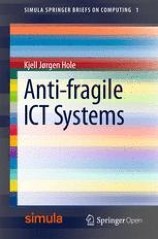
Anti-fragile ICT Systems
Introduces a novel approach to the design and operation of large ICT systems. It views the technical solutions and their stakeholders as complex adaptive systems and argues that traditional risk analyses cannot predict all future incidents with major impacts. To avoid unacceptable events, it is necessary to establish and operate anti-fragile ICT systems that limit the impact of all incidents, and which learn from small-impact incidents how to function increasingly well in changing environments. The book applies four design principles and one operational principle to achieve anti-fragility for different classes of incidents. It discusses how systems can achieve high availability, prevent malware epidemics, and detect anomalies. Analyses of Netflix’s media streaming solution, Norwegian telecom infrastructures, e-government platforms, and Numenta’s anomaly detection software show that cloud computing is essential to achieving anti-fragility for classes of events with negative impacts.
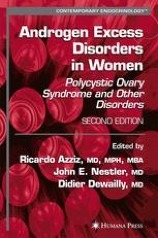
Androgen Excess Disorders in Women
The field of androgen excess disorders has advanced substantially since the original publication of this book. The Androgen Excess Society (AES) was founded to bring together investigators in the field. A better understanding of the screening, progression, and molecular genetics of nonclassic adrenal hyperplasia (NCAH) has improved the clinical care and diagnostic accuracy of these patients. New criteria for the diagnosis of the polycystic ovary syndrome (PCOS) were proposed in Rotterdam, criteria that have resulted in controversy and, hopefully, initiation of new studies. The association of insulin resistance with PCOS has been strengthened, and the role of metformin in tre- ing the infertility of the PCOS has been validated. Risks for diabetes and, more cont- versially, cardiovascular disease in women with PCOS have received substantial investigation. Our understanding of the epidemiology and economic impact of these disorders has expanded, emphasizing their critical importance.
