



Page 1
Page 1

Drug repurposing and computational drug discovery strategies and advances
Defined as identifying new pharmacological indications from old, existing, failed, investigational, already marketed, or FDA-approved drugs and prodrugs, and applying these new uses in the treatment of diseases other than the drug’s original intended therapeutic use. The application of computational techniques in discovery research not only helps in the development of drugs from leads or existing drug molecules but can also be useful for the repurposing of existing drug candidates.

Drug repurposing : A new fashion for a new hope
The repurposing of drugs is becoming increasingly attractive as it avoids the long process and cost implications associated with bringing a novel drug to market i.e., drug repurposing is cost effective and time saving. This study will discuss the repositioning of several drugs that belong to different pharmaceutical classifications such as antimicrobials (itraconazole and fluoroquinolones), anti-diabetic agents (metformin and sodium glucose co-transporter 2 inhibitors), cardiovascular drugs (β-blockers and digoxin), anticonvulsants (topiramate), immunosuppressants (sirolimus), non-steroidal anti-inflammatory drugs (NSAIDs e.g., COX inhibitors), and cholesterol lowering drugs (statins).
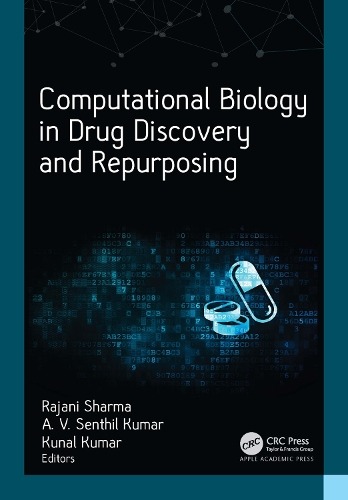
Computational biology in drug discovery and repurposing
Takes an in-depth look at the emerging and prospective field of computational biology and bioinformatics, which possesses the ability to analyze large accumulated biological data collected from sequence analysis of proteins and genes and cell population with an aim to make new predictions pertaining to drug discovery and new biology. The book explains the basic methodology associated with a bioinformatics and computational approach in drug designing. It then goes on to cover the implementation of computational programming, bioinformatics, pharmacophore modeling, biotechnological techniques, and pharmaceutical chemistry in designing drugs. The major advantage of intervention of computer language or programming is to cut down the number of steps and costs in the field of drug designing, reducing the repeating steps and saving time in screening the potent component for drug or vaccine designin
