



Page 1
Page 1

Neuronal cell death : Methods and protocols
Covers comprehensive methods on ways to assess structural and ultrastructural changes in the mitochondria, cytoskeleton, and microglia using state-of-the-art microscopy techniques including super-resolution imaging, electron microscopy, and ultra-high field MRI. The chapters in this book cover topics such as analysis of neurodegeneration in the post-mortem characterization of preclinical animal models, in vivo modeling in cell death in different model systems and brain organoids, single cell clonal analysis using Mosaic Analysis with Double Markers in genetic mouse models, and genome and proteomic methods for analysis of mRNA dynamics and quantitation of targeted peptides.

Natures Versatile Engine : Insect Flight Muscle Inside and Out
Integrates knowledge from various disciplines that study muscle function, from single molecule biophysics to flight aerodynamics. This work features information on advances in muscle research, from the molecular to the organismal. It focuses on Drosophila melanogaster, and other species of flying insects are also covered.
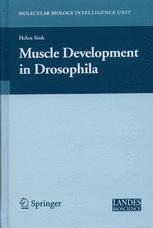
Muscle Development in Drosophilia
The different aspects of muscle development are considered from cellular, molecular and genetic viewpoints, and the text is supported by black/white and color illustrations. The book will appeal to those studying muscle development and muscle biology in any organism.

Innate Immunity of Plants, Animals, and Humans
This book wants to give an overview of our current knowledge about the innate immune system of plants, animals and humans. It not only covers the innate immune mechanisms and responses of so diverse organisms such as plants, Cnidaria, Drosophila, urochordates and zebrafish, but also the major receptor systems in mammalians and humans as well as the central defense mechanisms, antimicrobial peptides and the complement system.

CtBP Family Proteins
The Ctbp family proteins are multifunctional. They predominantly function as transcriptional corepressors in the nucleus by recruiting various histone modifying enzymes such as histone deacetylases, histone methylases and a histone demethylase. This book is a comprehensive monograph on the Ctbp family proteins.
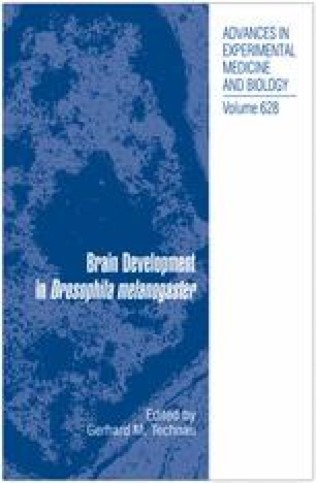
Brain development in Drosophila melanogaster
The central nervous system (CNS) represents the organ with the highest structural and functional complexity. Accordingly, uncovering the mechanisms leading to cell diversity, patterning and connectivity in the CNS is one of the major challenges in developmental biology. The developing CNS of the fruitfly Drosophila melanogaster is an ideal model system to study these processes. Several principle questions regarding neurogenesis (like stem cell formation, cell fate specification, axonal pathfinding) have been addressed in Drosophila by focusing on the relatively simply structured truncal parts of the nervous system. This book provides an overview of some major facets of recent research on Drosophila brain development.
