



Page 1
Page 1
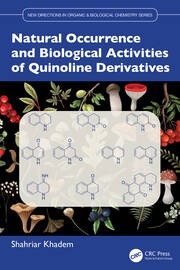
Natural occurrence and biological activities of quinoline derivatives
Provides a comprehensive overview of quinoline derivatives, focusing on their chemical structure, biological activities, and therapeutic benefits. It delves into the natural sources of these derivatives, covering their isolation, characterization, and potential therapeutic applications, particularly in areas such as anti-cancer, anti-inflammatory, antimicrobial, and antimalarial activity. With its emphasis on providing valuable reference material, this book is an indispensable resource for researchers, educators, and professionals in the fields of chemistry, biology, pharmacology, and drug discovery.

Heat Shock Proteins in Cancer
Heat shock proteins are emerging as important molecules in the development of cancer and as key targets in cancer therapy. These proteins enhance the growth of cancer cells and protect tumors from treatments such as drugs or surgery.

Genome instability in cancer development
Research over the past decades has firmly established the genetic basis of cancer. In particular, studies on animal tumour viruses and chromosome rearrangements in human tumours have concurred to identify so-called ‘proto-oncogenes’ and ‘tumour suppressor genes’, whose deregulation promotes carcinogenesis. These important findings not only explain the occurrence of certain hereditary tumours, but they also set the stage for the development of anti-cancer drugs that specifically target activated oncogenes.

Essential oils : sources, production and applications
Essential oils are simply the volatile oils of plants. These are concentrated liquids contain many terpenes, alkaloids and alcohols etc. Various compounds of essential oils have bioactive properties such as antimicrobial, anti-cancer, anti-diabetic, anti-viral and anti-fungal etc. This book describes the sources of essential oils, extraction and production method, characterizing tools, bioactivity, and various applications in the field of industries, daily usage, agriculture, health, and food.

Edible Plants in Health and Diseases ; Vol.1 : Cultural, Practical and Economic Value
Provides significant information on some of the promising edible medicinal plants and how these possess both nutritive as well as medicinal value. The significance of these edible plants in traditional medicine, their distribution in different regions and the importance of their chemical constituents are discussed systematically concerning the role of these plants in ethnomedicine in different regions of the world. The current volume focuses on the economic and culturally important medicinal uses of edible plants and a detailed survey of the literature on scientific researches of pharmacognostical characteristics, traditional uses, scientific validation, and phytochemical composition, and pharmacological activities. This book is a single-source scientific reference to explore the specific factors that contribute to these potential health benefits, as well as discussing how to maximize those potential benefits. Chemists, food technologists, pharmacologists, phytochemists as well as all professionals involved with quality control and standardization will find in this book a valuable and updated basis for their work.

Edible Plants in Health and Diseases ; Vol. II : Phytochemical and Pharmacological Properties
Provides essential information on some of the promising edible medicinal plants and how these possess both nutritional as well as therapeutic value. The significance of the edible plants in traditional medicine and the importance of the distribution of their chemical constituents are discussed systematically concerning the role of these plants in ethnomedicine in different regions of the world. The current volume deals with the individual plants' phytochemical and pharmacological properties, emphasizing human health. The title would demonstrate the value of natural edible plants and introduce readers to state-of-the-art developments and trends in omics-driven research.

Drugs Affecting Growth of Tumours
During recent years the field of effective anticancer agents has substantially increased. The use of chemotherapy has been accepted as a standard therapy for an expanding number of tumour types and stages, while many new agents are being investigated when standard therapy is lacking or failing. Apart from new targets for anticancer agents, attention is also focused on improving efficacy and tolerability of existing compounds. This topical volume provides an up-to-date overview of clinically relevant data on anticancer agents, and is not only intended for those working as a medical doctor with cancer patients, but also for medical researchers and students. The different classes of anticancer drugs are described by international authorities on the various topics.

Curcumin : clinical uses, health effects and potential complications
Curcumin is a natural product with polyphenolic structure. It is used in therapeutic remedies alone or in combination with other natural substances. Many researchers are investigating it because of its biological activities such as: anti-inflammatory, anti-cancer, anti-protozoal, anti-viral, anti-bacterial and has been found to be effective for treatment of Alzheimer, depression, headaches, fibromyalgia, leprosy, fever, menstrual problems, water retention, worms and kidney problems etc. It is an active ingredient in dietary spice, turmeric. It has reactive functional groups: a diketone moiety and two phenolic groups. Despite its unique biological activities, it suffers from some shortcomings which include: gastrointestinal problems, poor bioavailability due to its poor absorption, short half-life, poor solubility in aqueous solutions, rapid systemic elimination and antithrombotic activity which can interfere with blood clotting. The first chapter of this book reviews the different delivery systems used for incorporation of curcumin and its derivatives, release kinetics and up to date in vivo results. Chapter two discusses curcumin nano and microencapsulation and its implications on clinical uses.
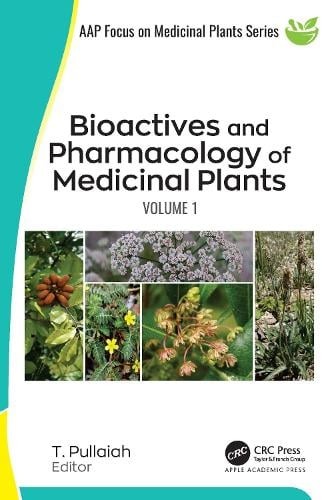
Bioactives and pharmacology of medicinal plants : Vol.1
Bioctives and Pharmacology of Medicinal Plants, concisely presents an abundance of important information on the bioactive and pharmacological properties of medicinal plants. It provides valuable comprehensive research and studies on bioactive phytocompounds of over 68 important medicinal plants with beneficial properties. For each species included in the volume, a brief introduction is given along with their bioactive compounds and chemical structures, followed by their chief pharmacological activities that include antiviral, antimicrobial, antioxidant, anti-cancer, anti-inflammatory, antidiabetic, hepatoprotective, nephroprotective, and cardioprotective activities. A review of the published literature on pharmacological activities on each species is included also, providing a thorough resource on each of the plants covered in the volume.
Atlas effectors of anti-tumor immunity
The “Atlas Effectors of Anti-Tumor Immunity” is a unique scientific publication, which includes major issues of up-to-date information about immunophenotype, morphology and function of main effectors of anti-tumor immunity presented in a reasonable format. The Atlas comprises a large number of illustrations presented by schemes and original micrographs demonstrating morphological features and ultrastructure of immunocompetent cells at various stages of differentiation. The volume includes data referring to the history of anti-tumor immunity effectors research, state of the art and perspectives for development of anti-cancer adoptive immunotherapy methods.A special section of the Atlas describes cellular tumor microenvironment and micro-anatomy of carcinomas. Several parts include data about killer cells (natural killer T-cells, lymphokine-activated killers) and T-regulatory lymphocytes. A special chapter gives a wide-range description of antigen-presenting dendritic cells, methods of dendritic cell generation and development of DC-based vaccines for anti-tumor immunotherapy.
