



Page 4
Page 4

Les douleurs abdominales en questions : Rôle physiopathologique de la sensibilité viscérale = Abdominal pain in question : The pathophysiological role of visceral sensitivity
The gut-brain axis refers to the network of nerve pathways that connect the myenteric plexus, the veritable "gut brain," to the central nervous system. Nearly 80% of these neurons are sensory neurons, and the afferent pathways that transmit information from the digestive tract to the central nervous system play a crucial role in the physiological regulation of digestive functions, as well as in certain pathological conditions. A large majority of these sensations remain unconscious and give rise to reflex responses. Only those requiring a conscious response reach the level of awareness in a normal state (hunger, thirst, the urge to defecate). In pathological situations, the same is true for painful sensations of digestive origin. Functional bowel disorders are a frequent reason for consultation. Their pathophysiology is now based on a model integrating the various etiological factors around the brain-gut axis. These patients frequently present with visceral hypersensitivity, which manifests as an increased perception of digestive sensations, notably the onset of pain in response to stimuli that are not painful in normal subjects. Recognizing the role of visceral hypersensitivity has made it possible to explain the mechanism of action of medications used to treat functional bowel disorders and paves the way for the development of new molecules acting on digestive afferents. In this book, we will describe the anatomical and physiological basis for understanding the concept of visceral sensitivity and the role of digestive afferents in the pathophysiology of acute and chronic abdominal pain, particularly irritable bowel syndrome.
Le syndrome de détresse respiratoire aiguë = Acute respiratory distress syndrome
Gives a large place to mechanical ventilation, in particular to its optimization and the interest of its various forms, such as non-invasive ventilation or high frequency oscillation. It also discusses, in a practical way, what imaging and the study of respiratory mechanics can bring to the practitioner in the field or to the intensive care unit.

Le forme spastiche della paralisi cerebrale infantile : Guida all'esplorazione delle funzioni adattive = Spastic forms of cerebral palsy : A guide to exploring adaptive functions
Offers "travel notes" on the topics covered, to spark reflection and comparisons with the readers' experience. The authors address the topics from a pathophysiological perspective that guides their interpretation of the nature of the defect (functional diagnosis), the problems related to prognosis (as a natural history hypothesis), and rehabilitation (as a modification of the architecture of the function in an adaptive sense).The text is accompanied by an extensive glossary of terms used and a DVD with clinical cases, organized according to the authors' classification. This material also highlights the volume's great educational value, both for those already working in this field (physicians, child neuropsychiatrists and physiatrists, rehabilitation therapists) and for students completing their first and second level degrees in rehabilitation and attending postgraduate schools.
Le complicazioni neurologiche in oncologia = Neurological complications in oncology
This volume, both necessary and new in the panorama of Italian medical literature, acknowledges this and presents an updated and complete review of the pathologies of the central and peripheral nervous system associated with tumors and their treatment. The purpose of the volume is to present an integrated approach between specialists that must see the neurologist and the oncologist in dialogue, and able to develop a new super-specialized clinical capacity in neuro-oncology. Many experts have contributed to its preparation by sharing knowledge on topics ranging from metastatic complications, to those of surgical cancer therapy, radio- and chemo-therapy, paraneoplastic syndromes, pain therapy, delirium and the affective alterations associated with the disease. The book is aimed in particular at neurologists, oncologists, palliative care practitioners and surgeons, but it is certainly useful for general practitioners and all operators who are daily involved in the demanding work of taking care of cancer patients.

Kidney Diseases
Kidney diseases is a “hidden epidemic” affecting 850 million people worldwide. It occurs when the kidneys become damaged and can’t perform their function. Damage may be caused by diabetes, high blood pressure, and various other chronic conditions. Kidney diseases can lead to other health problems, including weak bones, nerve damage, and malnutrition. There are two main types of kidney diseases: short-term (acute kidney failure) and lifelong (chronic kidney failure). If the diseases get worse over time, the kidneys may stop working completely. This means that dialysis will be required to perform the function of the kidneys or kidney transplant. Dialysis is a treatment that filters and purifies the blood using a machine. It can’t cure kidney diseases, but it can prolong the life.

Kidney complications & transplantation
Kidney diseases are worldwide public health problems with a high cost and increasing incidence. By revealing the genetic and cellular mechanism behind mammalian kidney development, better diagnostic methods and novel therapies can be expected to be developed. The mammalian kidney is a typical organ that develops on the basis of sequential and reciprocal cell and tissue interactions. Pyelonephritis, Glomerulonephritis, Kidney stones, Nephrotic syndrome, and Acute or chronic kidney failure are the most complications in the kidney kingdom, so that living kidney transplantation has become the preferred treatment for those patients who can’t have the powerful capacity of the kidney function, and here it has a very rejection risk in the first month and we can controlled in this situation with long term immunosuppressant therapy involved in the post-transplantation protocol.
Compartment Syndrome : A Guide to Diagnosis and Management
Compartment syndrome is a complex physiologic process with significant potential harm, and though an important clinical problem, the basic science and research surrounding this entity remains poorly understood. This book fills the gap in the knowledge of compartment syndrome, re-evaluating the current state of the art on this condition. The current clinical diagnostic criteria are presented, as well as the multiple dilemmas facing the surgeon. Pathophysiology, ischemic thresholds and pressure management techniques and limitations are discussed in detail. The main surgical management strategy, fasciotomy, is then described for both the upper and lower extremities, along with wound care. Compartment syndrome due to patient positioning, in children and polytrauma patients, and unusual presentations are likewise covered. Novel diagnosis and prevention strategies, as well as common misconceptions and legal ramifications stemming from compartment syndrome, round out the presentation.
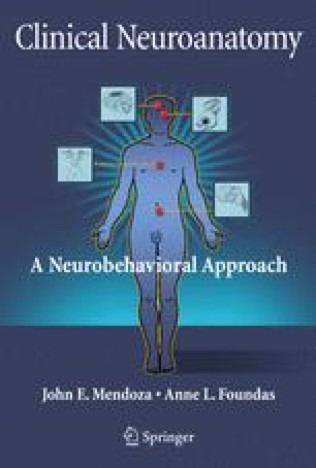
Clinical Neuroanatomy : A Neurobehavioral Approach
This book begins with a traditional review of the basic internal and external morphology, major nerve and fiber tracts, behavioral correlates, and clinical syndromes associated with spinal cord, brain stem, and cerebellum designed to reacquaint students and practicing clinicians with the functional anatomy of the subtentorial central nervous system. However, as the text was specifically geared to meet the needs of those practitioners whose primary interest is in what might be termed "higher order cognitive-behavioral function," the main focus of the text is on the brain itself. Borrowing heavily from a Lurian tradition, the central chapters reflect an attempt to offer more detailed, integrated, and, at times, theoretical models of cortical systems and their internal organization. Additional chapters highlight vascular anatomy and associated pathology, as well as neurochemical systems and their potential clinical relevance.
Chronic Prostatitis / Chronic Pelvic Pain Syndrome
In Chronic Prostatitis / Chronic Pelvic Pain Syndrome, the author provides today’s most current information covering the four categories of prostatitis (acute, chronic bacterial, CPPS and asymptomatic inflammation).

Child Neuropsychology : Assessment and Interventions for Neurodevelopmental Disorders
Child Neuropsychology guides therapists and neurologists toward common goals: early, accurate diagnosis and finely focused interventions across disciplines. By analyzing the affects of brain development on children and adolescents’ behavioral, cognitive, learning, and psychosocial abilities and deficits, this groundbreaking volume brings vital perspectives to assessment and treatment. Leading experts Ellison and Semrud-Clikeman start with the basics of child clinical neuropsychology and functional neuroanatomy, taking readers through examination protocols and assessment instruments to treatment planning and methods. In this volume, the authors address the full range of neurodevelopmental pathologies, from learning disabilities to autism, ADHD to CNS disorders, traumatic brain injury to fetal alcohol syndrome.

Celiac disease
Celiac Disease is a chronic small intestinal immune-mediated enteropathy caused by the ingestion of dietary gluten proteins in genetically susceptible individuals. CD is one of the most common autoimmune diseases, affecting around 1.4% of the population globally . Celiac disease remains a challenging condition because of a steady increase in knowledge tackling its pathophysiology, diagnosis, management, and possible therapeutic options. Finding alternative diet and trying different lifestyle still under debates. However, complete exclusion of the gluten-containing food from the patient's diet is the only effective treatment to avoid the disease complications
Catheter Ablation of Cardiac Arrhythmias : A Practical Approach
Catheter ablation of cardiac arrhythmias is an important field of interventional cardiology. This comprehensive overview is a practical guide for exact diagnosis of cardiac arrhythmias, mapping of cardiac arrhythmias with newest 3D technology and catheter ablation of various arrhythmias from WPW syndrome to atrial fibrillation.
Carpal Tunnel Syndrome
This book is an instrument for deepening their knowledge of this condition and its management. It can be considered a moment for reflection on a condition that is erroneously considered simple to treat and easy to resolve. The surgical chapters compare various complications as well as various conservative and rehabilitative treatment options, thus underlining that this condition must not be underestimated. Incorrect treatment can have many negative ramifications: not only that the patient is dissatisfied but it can also lead to the hand’s functional loss and render the patient an invalid.

Cachexia and Wasting : A Modern Approach
Aim of the volume is to provide the best available evidence on the pathogenesis, clinical features and therapeutic approach of cachexia, and to facilitate the understanding of the complex yet unequivocal clinical role of this syndrome, that truly represents a disease, or, better still, a disease within other different diseases.

Burning mouth disease : A guide to diagnosis and management
Gives a comprehensive overview of the symptoms, causes and treatment of Burning Mouth disease and Burning Mouth-like diseases.

Burning mouth disease : A guide for patients
Prepared for patients who suffer from 'Burning mouth disease', also referred to as 'Burning mouth syndrome'. It gives a comprehensive overview of the disease, its symptoms and management. Readers will learn about the terminology and definition of 'Burning mouth disease', and its suggested causes. Attention is paid to symptoms of various diseases that may mimic those of burning mouth disease. Neurological and psychogenic aspects are well covered, as are the many reported pharmacological and non-pharmacological treatment modalities.
Brain and Heart Dynamics
Despite the increasing awareness that neural mechanisms are the primary cause of cardiac disease and its progression, therapy continues to focus on end-organ protection and does not approach the neural core of the problem. Growing public health problems such as heart failure are still treated with autonomic drugs that are 30-40 years old and simply act on cardiac receptors. However, it has now been shown that the progression of ischemic heart disease to heart failure is mainly due to abnormal central responses to incipient cardiac disease, with neural activation the primary cause rather than the consequence of cardiac remodeling.
Benign anorectal diseases : Diagnosis with endoanal and endorectal ultrasound and new treatment options
New three-dimensional endoanal and endorectal ultrasonographic and magnetic resonance imaging techniques have given better insight into the complex anatomy of the pelvic floor and its pathologic modification in benign anorectal diseases. Obstetrical events leading to fecal incontinence in females, the relationship between fistulous tracks and the sphincter complex, and mechanisms of obstructed defecation syndrome can now be accurately evaluated, which is of fundamental importance for decision making.

Basic immunology : Functions and disorders of the immune system
Includes recent important advances in our understanding and knowledge of the immune system. A student favorite through six outstanding editions, this new edition uses full-color illustrations and clinical images, useful tables, and practical features such as Summary Point boxes, end-of-chapter review questions, glossary terms, and clinical cases—all designed to help you master this complex topic in the most efficient, effective manner possible.

Basic guide to oral health education and promotion ; 3rd ed.
An essential guide to help dental nurses prepare for a qualification in Oral Health Education and thereafter practice as an Oral Health Educator. It will help readers confidently educate patients about diseases and conditions that affect the oral cavity, and support their prevention, treatment, and management. Offers a guide for dental nurses taking a post-registration Certificate in Oral Health Education Is fully updated to reflect changes in the industry, science, and course syllabus Incorporates information on the new classification of periodontal and peri-implant diseases Contains new information on topics including dementia, denture advice, and burning mouth syndrome Includes an expanded section on promotion
