



Page 3
Page 3
Neurobiology of Human Values
Man has been pondering for centuries over the basis of his own ethical and aesthetic values. Until recent times, such issues were primarily fed by the thinking of philosophers, moralists and theologists, or by the findings of historians or sociologists relating to universality or variations in these values within various populations. Science has avoided this field of investigation within the confines of philosophy. Beyond the temptation to stay away from the field of knowledge science may also have felt itself unconcerned by the study of human values for a simple heuristic reason, namely the lack of tools allowing objective study. For the same reason, researchers tended to avoid the study of feelings or consciousness until, over the past two decades, this became a focus of interest for many neuroscientists
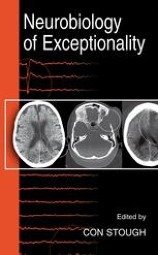
Neurobiology of Exceptionality
Nurture or nature? Biology or environment? Why are some people intelligent, or personable, or creative and others obtuse, or shy, or unimaginative? Although each human being is a unique mixture of positive and negative traits and behaviors, the question remains: What is the neurobiological basis for each individual’s makeup? For example, why does one person suffer from a disorder (e.g., ADHD, autism, mental retardation) and another lives free of maladies?

Neurobiology : Methods and protocols
Serves as a guide for students in the field of neurobiology, and be a bridge between basic science researchers, doctors, and surgeons in clinical practice. Written in the highly successful Methods in Molecular Biology series format, chapters include introductions to their respective topics, lists of the necessary materials and reagents, step-by-step, readily reproducible laboratory protocols, and tips on troubleshooting and avoiding known pitfalls.
Neuroacanthocytosis Syndromes
Neuroacanthocytosis Syndromes is the first comprehensive review of a field that has not yet received the attention it deserves. Affecting the brain as well as the circulating red cells, these multi-system disorders in the past had often been mistaken for Huntington's disease. Recent breakthroughs have now identified the molecular basis of several of these. This volume grew out of the first international scientific meeting ever devoted to neuroacanthocytosis and provides in-depth information about the state of the art. Its thirty chapters were written by the leading authorities in the field to cover the clinical as well as the basic science perspective, including not only molecular genetics but also experimental pharmacology and cell membrane biology, among others. The book vehemently poses the question of how the membrane deformation of circulating red blood cells relates to degeneration of nerve cells in the brain, the basal ganglia, in particular. It provides a wealth of data that will help to solve an intriguing puzzle and ease the suffering of those affected by one of the neuroacanthocytosis syndromes.

Neural Crest Induction and Differentiation
Neural Crest Induction and Differentiation, written by an international panel of recognized leaders in the field, discusses all aspects of modern neural crest biology from its evolutionary significance, to its specification, migration, plasticity and contribution to multiple lineages of the vertebrate body, to the pathologies associated with abnormal neural crest development and function. Each chapter provides an invaluable resource for information on the most current advances in the field, with discussion of controversial issues and areas of emerging importance.

Neural and Neuroendocrine Mechanisms in Host Defense and Autoimmunity
This comprehensive volume, written by experts in the integrative fields of neuroscience, endocrinology and immunology, provides insight into the mechanisms by which neural and neuroendocrine factors influence susceptibility to infection and autoimmunity. The book focuses on multiple sclerosis as the prototypic autoimmune disease and discusses infectious diseases including anthrax, influenza virus, herpes virus and human immunodeficiency virus. The effects of stress on experimental models of multiple sclerosis and also clinical observations of stress in multiple sclerosis patients are discussed. Neural and Neuroendocrine Mechanisms in Host Defense and Autoimmunity is an ideal book for researches and professionals in the fields of immunology, neuroscience, infectious disease, psychology, microbiology, virology, public health and pharmaceutical sciences.

Networks : From Biology to Theory
The concept of a network emerges as a powerful and stimulating research paradigm in mathematics, physics and computer science, and demonstrates a very lively interaction between experimental findings, simulation studies, and theoretical investigations that then in turn lead to new experimental questions. This volume explores this concept in full and features contributions from a truly global set of contributors.

Netter's essential histology with correlated histopathology
Concise and easy to use, it integrates gross anatomy and embryology with classic histology slides and state-of-the-art scanning electron microscopy, offering a clear, visual understanding of this complex subject. Additional histopathology images, more clinical boxes, and new histopathology content ensure that this textbook-atlas clearly presents the most indispensable histologic concepts and their clinical relevance. Helps you recognize both normal and diseased structures at the microscopic level with the aid of succinct explanatory text as well as numerous clinical boxes. Features more histopathology content and additional clinical boxes to increase your knowledge of pathophysiology and clinical relevance. Includes high-quality light and electron micrographs, including enhanced and colorized electron micrographs that show ultra-structures in 3D, side by side with classic Netter illustrations that link your knowledge of anatomy and cell biology to what is seen in the micrographs.

Neoproterozoic Geobiology and Paleobiology
The Neoproterozoic Era (1000-542 million years ago) is a geological period of dramatic climatic change and important evolutionary innovations. Repeated glaciations of unusual magnitude occurred throughout this tumultuous interval, and various eukaryotic clades independently achieved multicellularity, becoming more complex, abundant, and diverse at its termination. Animals made their first debut in the Neoproterozoic too. The intricate interaction among these geological and biological events is a centrepiece of Earth system history, and has been the focus of geobiological investigations in recent decades. The purpose of this volume is to present a sample of views and visions among some of the growing numbers of Neoproterozoic workers. The contributions represent a cross section of recent insights into the field of Neoproterozoic geobiology.

Neonatal Immunity
New advances in cellular immunology, molecular biology, recombinant DNA and proteins, and the function of cytokines and chemokines have revolutionized the study of neonatal immune responsiveness. In Neonatal Immunity, Constantin Bona, MD, critically reviews the classic, as well as most recent-and quite seminal-findings concerning the phenotypic and molecular characteristics of both fetal and neonatal B and T cells, the cells that mediate antibody and cellular immune responses in newborns and infants. Dr. Bona shows how the antibody response of neonates is modulated by maternal antibodies and how, in certain cases, this can cause transient or life-threatening neonatal autoimmune disease. He also describes the characteristics of neonatal tolerance induced by foreign allo- and self-antigens, which are the basis for understanding impaired infant immune response and which provide a rationale for the development of efficient neonatal vaccines. By making clear the characteristics and differences between the immune system and the immune responses of both newborns and infants, compared to those of adults, Dr. Bona offers insights and challenging hypotheses that promise to help overcome the poor responses of neonates to various antigens. Authoritative and forward-looking, Neonatal Immunity critically reviews what we know of the neonatal immune response today, and how this is dramatically opening new therapeutic horizons in such areas as infant vaccination, stem cells, gene therapy, and transplantation.

Nectaries and Nectar
This book is a modern and interdisciplinary text on nectar and nectaries, prompted by the expansion of knowledge, especially in the more ecological and now molecular fields, and the strong recent interest in pollination biology.
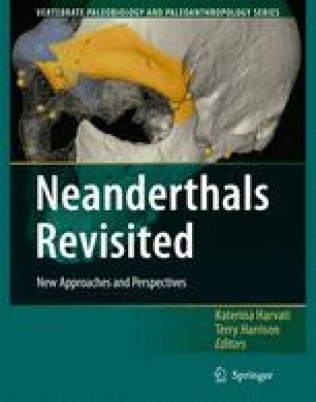
Neanderthals Revisited : New Approaches and Perspectives
This volume presents cutting-edge research by leading scientists re-examining the major debates in Neanderthal research with the use of innovative state-of-the art methods and exciting new theoretical approaches.Topics addressed include the re-evaluation of Neanderthal anatomy, inferred adaptations and habitual activities, developmental patterns, phylogenetic relationships, and the Neanderthal extinction; new methods include computer tomography, 3D geometric morphometrics, ancient DNA and bioenergetics. The diverse contributions offer fresh insights and advances in Neanderthal and modern human origins research.

Nature Conservation : Concepts and Practice
This book provides a multi-disciplinary coverage of the broad fields of species, community and landscape conservation.

Nature by Design : The Practice of Biophilic Design
Describes the basic principles, practices, and options for successfully implementing biophilic design. He shows us what is—and isn’t—good biophilic design using examples of workplaces, healthcare facilities, schools, commercial centers, religious structures, and hospitality settings. This book will to appeal to architects, designers, engineers, scholars of human evolutionary biology, and—with more than one hundred striking images of designs—anyone interested in nature‑inspired spaces.
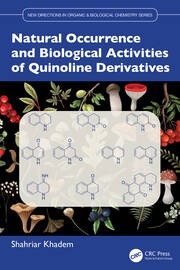
Natural occurrence and biological activities of quinoline derivatives
Provides a comprehensive overview of quinoline derivatives, focusing on their chemical structure, biological activities, and therapeutic benefits. It delves into the natural sources of these derivatives, covering their isolation, characterization, and potential therapeutic applications, particularly in areas such as anti-cancer, anti-inflammatory, antimicrobial, and antimalarial activity. With its emphasis on providing valuable reference material, this book is an indispensable resource for researchers, educators, and professionals in the fields of chemistry, biology, pharmacology, and drug discovery.

National Institute of Allergy and Infectious Diseases, NIH ; Vol.1 : Frontiers in Research
National Institute of Allergy and Infectious Diseases, NIH: Volume 1, Frontiers in Research contains presentations given at the 2006 NIAID Research Conference held in Opatija, Croatia which brought internationally known researchers from the United States and Central and Eastern Europe to focus together on shared interests in microbiology, infectious disease, HIV/AIDS, and basic and clinical immunology. Some of the topics covered include emerging and re-emerging infections, the development of infectious disease prophylactics and therapeutics, drug resistance, and various topics in immunomodulation, autoimmunity, infections and immunity, and the development of vaccines.Extensive and in-depth, National Institute of Allergy and Infectious Diseases, NIH: Volume 1, Frontiers in Research is a valuable, comprehensive guide to the state of research today.

Nanoscience : Nanotechnologies and Nanophysics
Nanotechnologies and nanosciences are a fast-developing field of research, which sit at the point of convergence of several disciplines (physics, chemistry, biology, mechanics, etc.). This practically-oriented overview is designed to provide students and researchers with essential information on both the tools of manufacture and specific features of the nanometric scale, as well as applications within the most active fields (electronics, magnetism, information storage, biology).

Nanoparticles in Biomedical Imaging : Emerging Technologies and Applications
Fundamental Biomedical Technologies features titles in multidisciplinary, technology-driven areas, providing the foundations for breakthrough advances in medicine and biology. The term technology refers, in a vigorously unrestrictive sense, to a broad array of engineering disciplines, the sciences of computation and informatics, mathematical models exploiting and advancing methods of mathematical physics, and the development of novel, experimental discovery devices. Titles in this series are designed and selected to provide high-level visionary input for specialists, while presenting overviews of emerging fields for those in related areas. Volumes in this series aim to provide technologists with the material to gain competent entry into biomedical research and biomedical researchers to understand and embrace novel technological foundations and tools.

Nanomaterials for Application in Medicine and Biology
This volume contains research reports presented during the NATO Advanced Research Workshop (ARW) “Materials for Application in Medicine and Biology” held in Bonn, Germany, from October 4 to 6, 2006 at the center of advanced european studies and research (caesar). The application of nanomaterials in medicine and biology can be understood as the gathering and use of our current knowledge on nanoscale features of b- logical systems in order to learn how to design nanodevices for biomedical uses.

Nanomaterials and Nanochemistry
Nanomaterials are a fast developing field of research and applications lie in many separate domains, such as in hi-tech (optics, electronics, biology, aeronautics), but also in consumer industries (automotive, concrete, surface treatments (including paints), cosmetics, etc.).
