



Page 3
Page 3

Drug discovery targeting drug-resistant bacteria
Drug Discovery Targeting Drug-Resistant Bacteria explores the status and possible future of developments in fighting drug-resistant bacteria. The book covers the majority of microbial diseases and the drugs targeting them. In addition, it discusses the potential targeting strategies and innovative approaches to address drug resistance. It brings together academic and industrial experts working on discovering and developing drugs targeting drug-resistant (DR) bacterial pathogens. New drugs active against drug-resistant pathogens are discussed, along with new strategies being used to discover molecules acting via new modes of action. In addition, alternative therapies such as peptides and phages are included.

Double-stranded RNA : Methods and protocols
Examines classical and cutting-edge methods involving double-stranded RNA (dsRNA), specifically regarding isolation, visualization, characterization, production, and application. Many protocols, such as co-immunoprecipitation-based isolation of double-stranded RNA-associated protein complexes, identification of mycoviruses by dsRNA extraction, application of dsRNA for fungi disease management (Sclerotinia sclerotiorum and Botrytis cin), and production of double-stranded RNA in plants by plant viral vectors for gene silencing, can also be easily adapted for identification of viruses from other organisms, control of other pathogens, and fundamental research. Written for the highly successful Methods in Molecular Biology series, chapters include introductions to their respective topics, lists of the necessary materials and reagents, step-by-step and readily reproducible laboratory protocols, as well as tips for troubleshooting and avoiding known pitfalls.

Detection and analysis of SARS Coronavirus : Advanced biosensors for pandemic viruses and related pathogens
The highly contagious SARS CoV-2 pathogen has challenged health systems around the world as they struggle to detect and monitor the spread of the pathogen. In Detection and Analysis of SARS Coronavirus: Advanced Biosensors for Pandemic Viruses and Related Pathogens expert chemists Chaudhery Mustansar Hussain and Sudheesh K. Shukla deliver a practical analysis of how contactless coronavirus detectors may be developed using existing biosensor technology.

Crossroads between Innate and Adaptive Immunity
This compilation presents minireviews derived from work presented at the Aegean Conference, which occurred October 9-14, 2005 at the Hilton Conference. Center on the island of Rhodes, Greece. The conference included sessions dedicated to host recognition of and response to pathogens, innate immune networks, antigen presentation, and adaptive immune responses, each headlined by a leading scientist at the forefront of that field. The intimate networking and interaction of dendritic cells, T cells, B cells, NK cells, NK-T cells, and complement during the host response to pathogens and tumors are only now starting to be elucidated.

Critical Points for the Organisation of Test Performance Studies in Microbiology : Plant Pathogens as a Case Study
This book in the field of plant pest detection shows a constant demand in development and improvement of fast and reliable detection tools, especially for high-priority pests. This open access book describes and summarizes the whole process of the organization of test performance study (TPS) for these tools. The outcome of TPS, obtained through the evaluation of the performance of one or more diagnostic tests by several laboratories on defined samples, is the finding of the best performing test/s for particular pest and for specific uses.

Coronaviruses with Special Emphasis on First Insights Concerning SARS
This book series focuses on relevant and trending topics in microbiology and infectious diseases with emphasis on emerging pathogens and related diseases.This interdisciplinary series presents latest advances and new approaches in molecular biology as well as insights into human and veterinary clinical medicine. Furthermore, matters in epidemiology, disease management, hygiene and prevention of infectious diseases are discussed. Emerging or novel pathogens are a grand challenge in medical science. Therefore, we focused the first volume of this series on the outbreak of SARS. The advent of SARS is a threat for people around the globe. Our modern technologies in communication and mobility have figuratively transformed the world into a village. This traffic, however, reprensents a new opportunity to spread diseases, particularly such of infectious nature from tiny villages throughout the entire world. In-depth knowledge of a novel pathogen's characteristics will help to manage or event prevent pandemias.
Listeria Monocytogenes : Pathogenesis and Host Response
This comprehensive volume, written by experts in the field, includes concise and timely reviews of Listeria monocytogenes, one of the most intensively studied bacterial pathogens. Listeria monocytogenes is the cause of listeriosis, a potentially fatal disease that arises from the consumption of contaminated food. During the past two decades, studies of this organism have uncovered a wealth of information on its virulence factors, its genome organization, and its interactions with host cells and the immune system.

Community-Acquired Pneumonia : The reality of Pneumonia and the most responsible Pathogens with Diagnosis, Treatment, and Prevention
This labor will discuss community acquired pneumonia as a disease associated with death and as a problem in order to solve it. As a disease I showed a definition of it, how it occurs, the sign and symptoms, risk factor, epidemiology, mortality, causes, and pneumonia in children. And as a problem I present how the world deals with this disease and suggest how we should deal with it in our country abilities, By mention satisfactory and studies associated with diagnosis, treatment, and prevention of CAP then discuss it all one by one in way that produce good quality according to our facilities.
Community-Acquired Pneumonia
Community-acquired pneumonia (CAP) is a disease associated with high morbidity and mortality, with at least one third of cases requiring hospitalization, exceeding the numbers admitted for myocardial infarction and stroke. Despite a broad armamentarium of antimicrobials available, it remains an important cause of death in industrialized countries. CAP is caused by a variety of pathogens with their order of importance dependent on the location and population studied. Despite the importance of CAP, reliable data and a recommended evidence-based therapy are lacking, and basic research must be improved. The goal of this volume is to present state-of-the-art knowledge on epidemiology, clinical presentation, immunology, pathology, and diagnosis including the identification of "new pathogens". Therapeutic approaches, antibiotics resistance, disease management and vaccination strategies are also covered. The volume is of interest to researchers and clinicians in virology, epidemiology and biomedicine.
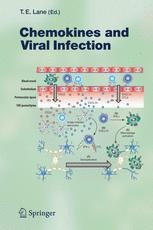
Chemokines and Viral Infection
This edition of Current Topics in Microbiology and Immunology examines the role of chemokines and chemokine receptors in host defense and disease development following viral infection. Chemokines represent a family of over 40 small proteins that, for the most part, are secreted into the environment and function by binding to G protein-coupled receptors (GPCRs) that are expressed on numerous different cell types. When initially identified close to 30 years ago, these molecules were associated with various human inflammatory diseases and it was recognized that expression may be integral in leukocyte recruitment to inflamed tissue. There are now four sub-families of chemokines identified based on defined structural criteria relating to the positional location of conserved cysteine residues within the amino-terminus of the protein. Chemokines are now recognized as important in numerous biological processes ranging from maintaining the organizational integrity of secondary lymphoid tissue to participating in various aspects of both innate and adaptive immune responses following microbial infection. With this in mind, this book highlights the functional roles of chemokines and their receptors in participating in various aspects of the immune response against well-known viral pathogens.

Biological Invasions in South Africa
This book presents a comprehensive account of all aspects of biological invasions in South Africa, where research has been conducted over more than three decades, and where bold initiatives have been implemented in attempts to control invasions and to reduce their ecological, economic and social effects.
Bioactive components of milk
Of all food products dairy foods have the most potential concerning functional foods. Therefore, there is a tremendous amount of interest in value-added milk products and the identification of components in food which have health benefits. Bioactive Components of Milk provides an overview of these derived components and their diverse activities including: the stimulation of beneficial microflora, alerting the immune system to the presence of potential pathogens and allergens, binding and eliminating toxins, etc. The book is divided into four parts. The first part focuses on bioactive milk lipid components, which very widely among mammalian species. The second part describes different aspects of biological active colostrums and milk proteins and their derivatives, with special concern on species specific effects. The third part reviews the production of recombinant human proteins in the milk of livestock animals - including ethical issues - and the aims of altering milk composition for the benefit of both the animals themselves and the consumers. The final part focuses on the influence of ruminants nutrition on the biological activity of milk.

Bacterial virulence factors and Rho GTPases
The authors of this volume present the synthesis on how the various host cellular Rho GTPases activities are manipulated by bacteria to fulfill their virulence.
Bacterial Genomes and Infectious Diseases
This book imparts fundamental knowledge on the structure, organization, and evolution of bacterial genomes. The value and power of comparative genomics and proteomics, bioinformatics, microarrays, and knockout animal models in analyzing genomes, bacteria-host interactions and disease are demonstrated. Also discussed are the genomes of virulent and nonvirulent strains and species, origin and evolution of pathogens, different models of bacteria-host interactions, and diseases mechanisms.

Bacterial Fish Pathogens : Disease of Farmed and Wild Fish
This completely revised and updated edition of Bacterial Fish Pathogens is a comprehensive discussion of the biological aspects of the bacterial taxa which cause disease in fish. Since the 3rd edition was published in 1999, much has changed in the control of disease of farmes and wild fish. New pathogens such as Pasteurella skyensis have been described, and antimicrobial compounds for the control of disease have been replaced by alternative methods, such as probiotics. Consideration is given to all the bacterial taxa which have at some time been reported as fish pathogens, whether they are secondary invaders of already damaged tissues or serious, primary pathogens.
Bacterial Biofilms
This volume tends to focus on the biology of biofilms that affect human disease. It opens with chapters that provide the reader with current perspectives on biofilm development, physiology, environmental and regulatory effects, the role of quorum sensing, and resistance/phenotypic persistence to antimicrobial agents during biofilm growth. The next chapters are devoted to common problematic biofilms, those that colonize venous and urinary catheters. The final series of chapters examines biofilm formation by four species that are important pathogens and well studied models, one of which, Yersinia pestis, cleverly adopts a biofilm state of growth within its insect vector to promote disease transmission to mammalian hosts.

Aquaponics Food Production Systems : Combined Aquaculture and Hydroponic Production Technologies for the Future
This book, written by world experts in aquaponics and related technologies, provides the authoritative and comprehensive overview of the key aquaculture and hydroponic and other integrated systems, socio-economic and environmental aspects. Aquaponic systems, which combine aquaculture and vegetable food production offer alternative technology solutions for a world that is increasingly under stress through population growth, urbanisation, water shortages, land and soil degradation, environmental pollution, world hunger and climate change.
Aquaculture microbiology
Details techniques involved to study aquatic pathogens that cause infections, especially in fish. Chapters guide readers through a wide range of basic and advanced methods, viral and fungal pathogens, probiotic bacteria, treatment of pathogens using seaweed extract, medicinal plant extracts, and actinomycetes.

Antimicrobial Resistance and Implications for the Twenty-First Century
This new volume of the Emerging Infectious Diseases of the 21st Century series is a collection of chapters by leading world authorities on antimicrobial resistance of common, important bacterial, viral and fungal pathogens. This unique book should be in the possession of anyone interested in the field of infectious diseases, microbiology, infection control & public health. The chapters, which are written by reknown experts, provide a wealth of contemporary information on microbiology, molecular mechanisms, epidemiology, clinical relevance, treatment, and prevention
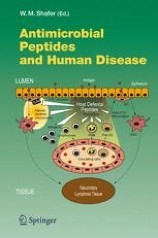
Antimicrobial peptides and human disease
Microbes are in our midst soon after birth. Thankfully, the number of harmless (and often beneficial) microbes far outnumber those that would do us harm. Our ability to ward-off pathogens in our environment, including those that can colonize our exterior and/or interior surfaces, depends on the integrative action of the innate and adaptive immunity systems. This volume of CTMI, entitled Antimicrobial Peptides and Human Disease, is dedicated to the role of antimicrobial peptides (AMPs) in the innate host defense system of homo sapiens.
