



Page 27
Page 27
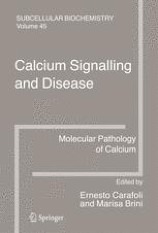
Calcium Signalling and Disease : Molecular Pathology of Calcium
This topic is a new entry in the area of cellular calcium signaling: yet, it now spans the entire area, with discoveries that cover both genetic and acquired pathologies, even offering glimpses in the direction of therapy.Cellular calcium homeostasis, and thus calcium signalling, is mainly regulated by membrane intrinsic proteins and calcium sensor proteins. Both classes may be involved in pathological processes that affect both human and animals, ranging from common and important diseases (e.g. migraine, diabetes, epilepsia, manic depression, infertility, various types of cancer, Alzheimer’s disease, muscular dystrophy) to rare genetic conditions (e.g., a number of genetic heart conditions, autoimmune retinopathies, night blindness, hereditary amyloid polyneuropathy, malignant hyperthermia, cerebellar ataxia, atherothrombotic disease).
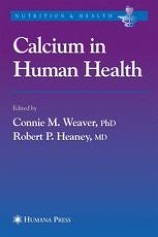
Calcium in Human Health
Calcium performs diverse biological functions in the human body and is a micronutrient essential to human health and well-being. It serves as a second messenger for nearly every biological process, stabilizes many proteins, and in deficient amounts is associated with a large number diseases and disorders. In Calcium in Human Health, a panel of highly respected researchers and clinical practitioners comprehensively reviews the state of our knowledge concerning this ubiquitous micronutrient, not only demonstrating its importance to human health, but also defining its many complex roles.
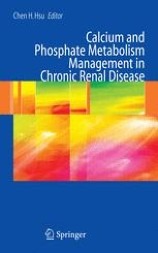
Calcium and Phosphate Metabolism Management in Chronic Renal Disease
Calcium and Phosphate Metabolism Management in Chronic Renal Diseases provides an overview of the state-of-the-art clinical and basic science aspects of abnormal calcium and phosphate metabolism and its management.

Cachexia and Wasting : A Modern Approach
Aim of the volume is to provide the best available evidence on the pathogenesis, clinical features and therapeutic approach of cachexia, and to facilitate the understanding of the complex yet unequivocal clinical role of this syndrome, that truly represents a disease, or, better still, a disease within other different diseases.
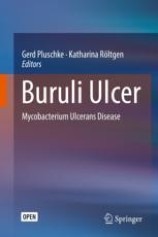
Buruli Ulcer : Mycobacterium Ulcerans disease
A major objective of this book is to summarize the current status of Buruli Ulcer (BU) research for the first time. It will identify gaps in our knowledge, stimulate research and support control of the disease by providing insight into approaches for surveillance, diagnosis, and treatment of Buruli Ulcer. Book chapters will cover the history, epidemiology diagnosis, treatment and disease burden of BU and provide insight into the microbiology, genomics, transmission and virulence of Mycobacterium ulcerans.

Burt and Eklund’s dentistry, dental practice, and the community
Presents dentistry and dental practice against the ever-changing backdrop of economic, technological, and demographic trends, as well as the distribution of the oral diseases that dental professionals treat and prevent. Readers will learn the latest techniques of research and measurement, and how oral disease may be limited through control and prevention. This updated text also addresses the new educational competencies for predoctoral/ post-doctoral dental students and dental hygiene students with updated and new content on cultural competency, oral health literacy, social responsibility, motivational interviewing, and oral systemic associations.

Burning mouth disease : A guide to diagnosis and management
Gives a comprehensive overview of the symptoms, causes and treatment of Burning Mouth disease and Burning Mouth-like diseases.

Burning mouth disease : A guide for patients
Prepared for patients who suffer from 'Burning mouth disease', also referred to as 'Burning mouth syndrome'. It gives a comprehensive overview of the disease, its symptoms and management. Readers will learn about the terminology and definition of 'Burning mouth disease', and its suggested causes. Attention is paid to symptoms of various diseases that may mimic those of burning mouth disease. Neurological and psychogenic aspects are well covered, as are the many reported pharmacological and non-pharmacological treatment modalities.

Burket's oral medicine, 13th ed.
"Detailed discussions on: orofacial pain, temporomandibular disorders, headache and salivary gland disease / oral and oropharyngeal cancers, including the management of oral complications of cancer therapy / genetics, laboratory medicine and transplantation medicine pediatric and geriatric oral medicine / psychiatry and psychology / clinical research / and interpreting the biomedical literature"

Brainlesion: Glioma, Multiple Sclerosis, Stroke and Traumatic Brain Injuries ; 7th International Workshop, BrainLes 2021, Held in Conjunction with MICCAI 2021, Virtual Event, September 27, 2021, Revised Selected Papers, Part I
The content of thebook covers the current state-of-the-art literature on federated learning applications for cancer research and Vclinical oncology analysis, as well as an overview of the deep learning approaches improving the current standard of care for brain lesions and current neuroimaging challenges. It is also focusing on the accepted BrainLes workshop submissions, is to provide an overview of new advances of medical image analysis in all the aforementioned brain pathologies. It brings together researchers from the medical image analysis domain, neurologists, and radiologists working on at least one of these diseases. The aim is to consider neuroimaging biomarkers used for one disease applied to the other diseases.

Brain Edema XIII
The XIII International Symposium on Brain Edema intracerebral hemorrhage. This volume includes papers pre- day satellite conference on the subject. Brain vestigation focusing primarily on the secondary events edema, in many respects, is a marker of underlying which develop after the hemorrhage. pathological processes which include tissue injury There was considerable enthusiasm to continue the from many diseases.

Brain and Heart Dynamics
Despite the increasing awareness that neural mechanisms are the primary cause of cardiac disease and its progression, therapy continues to focus on end-organ protection and does not approach the neural core of the problem. Growing public health problems such as heart failure are still treated with autonomic drugs that are 30-40 years old and simply act on cardiac receptors. However, it has now been shown that the progression of ischemic heart disease to heart failure is mainly due to abnormal central responses to incipient cardiac disease, with neural activation the primary cause rather than the consequence of cardiac remodeling.

Borrelia burgdorferi : Methods and protocols
Covers the latest advancements and techniques used to understand the fastidious bacterium, Borrelia burgdorferi, and its significance in infectious disorders by combining both conventional and cutting-edge approaches. This book covers diverse topics, including direct detection, diagnostic methods, immune response analysis, alternative model systems, advanced proteomics, social media analysis, and clinical research. It also discusses unconventional wet lab research such as content analysis, the use of ChatGPT, clinical algorithms for chronic Lyme, establishment of a pregnancy Lyme disease biobank, and investigates Lyme in pregnant women. Written in the highly successful Methods in Molecular Biology series format, chapters include introductions to their respective topics, lists of the necessary materials and reagents, step-by-step, readily reproducible laboratory protocols, and tips on troubleshooting and avoiding known pitfalls.
Bone Resorption
Bone Resorption, the second volume in the series Topics in Bone Biology, deals with the osteoclast, the bone-resorbing cell, its origins, its enzymes, the regulation of osteoclast activity, and structural aspects of bone resorption. Diseases involving osteoclast function are discussed from the genetic viewpoint in two chapters that span transgenic mouse models to human pathology. Another chapter treats diseases of osteoclast function. Because osteoporosis may be considered a disease in which the bone resorption rate exceeds formation, a separate chapter deals with current and potential therapeutic approaches to this widespread disease that affects both men and women. Bone metastases and an analysis of the central role of the osteoclast in this condition are treated in the concluding chapter.

Bone Marrow Derived Progenitors
The ability of stem cells to acquire different desired phenotypes has opened the door for a new discipline: regenerative medicine. Much of the interest for this purpose is generated by embryonic stem cells, but their use is still controversial for moral reasons as well as scientifically. Less controversial and readily available are the adult bone marrow-derived progenitors including hematopoietic stem cells, endothelial progenitors and mesenchymal stem cells. The ambitious goal of this volume is to provide a comprehensive overview of the currently available information related to the therapeutic utility of adult bone marrow-derived cells. Each chapter has been written by an accomplished expert in the field, making this a hugely valuable resource for anyone looking for an up-to-the-minute assessment of current practice in adult bone marrow-derived cell therapy.

Bone disorders
• Bone is the specialized type of connective tissue that has extracellular matrix containing calcium salts. • As bone is a connective tissue, it consists of cells and matrix. • Mineralized extracellular matrix provides hardness to bones. • Bone is a living tissue that shows dynamic structural changes in response to physical stress and hormonal changes. • In addition to support and protection of vital organs, bones act as a storehouse for calcium and phosphates. • Bone also performs hematopoietic function (production of blood cells).
Body Sensor Networks
While the problems of long-term stability and biocompatibility are being addressed, several promising prototypes are starting to emerge for managing patients with acute diabetes, for treatment of epilepsy and other debilitating neurological disorders and for monitoring of patients with chronic cardiac diseases. Despite the technological developments in sensing and monitoring devices, issues related to system integration, sensor miniaturization, low-power sensor interface circuitry design, wireless telemetric links and signal processing still have to be investigated.

Bioterrorism and Infectious Agents : A New Dilemma for the 21st Century
Since the terrorist attack on the United States on September 11, 2001 and subsequent cases of anthrax in Florida and New York City, attention has been focused on the threat of b- logical warfare and bioterrorism. Biological warfare agents are de?ned as “living org- isms, whatever their nature, or infected material derived from them, which are used for h- tile purposes and intended to cause disease or death in man, animals and plants, and depend for their efforts on the ability to multiply in person, animal or plant attacked.” Biological warfare agents may be well suited for bioterrorism to create havoc and terror in a civilian population, because they are cheap and easy to obtain and dispense. Infectious or contagious diseases have played a major part in the history of warfare – deliberately or inadvertently – in restricting or assisting invading armies over the centuries. In 1346, the Tartars catapulted plaque-infected bodies into Kaffa in the Crimea to end a 3-year siege. Blankets contaminated with smallpox to infect North American Indians were used by British forces in the 18th century. More recently, the Japanese released ?eas infected with plaque in Chinese cities in the 1930s and 1940s. Biological research programs for both offensive and defensive strategies have been developed by the United States, Britain, the former Soviet Union, and Canada; several other nations are thought to have such programs.

Bioresonance therapy and telemedicine
The aim of our research project is to highlight the Medical application of Physics although we as Pharmacologist remain often focused on the value of Pedications to resolve any disease however we noticed Some complicated medical problems such as antibiotic Resistance where we cannot find any responsive Chemical therapy therefore we referred to the history of Bio resonance therapy however we were also concerned To report the medical value by following some patients Whom were treated and to analyze the mechanism in Which this therapy is effective, and for which diseases And we also hope that this established device for Targeting Bacteria, viruses can hold a hope for patients Who are diagnosed with Corona, there is a proof of Principle for that hypothesis since the scientist Rife has Invented this therapy by interference destruction wave Which could destroy specifically this bacteria upon its Frequency wave without possible

Biophysical characterization of functional peptides
Presents reproducible and step-by-step procedures for the peptide synthesis, their characterization and applications. The volume includes an introductory section on in silico modelling of new peptide molecules, Molecular Dynamics Simulations, Docking, Electrostatic fingerprinting of peptides, and other modelling tools for peptide designing and optimization. Further, it covers protocols for the solid phase peptide synthesis, chromatographic and mass spectrometric characterization of peptides. Importantly, it covers methods for biophysical characterizations of peptides for their potential applications as drug delivery vehicles, peptide nano-assembly, bionanocatalysis, protein aggregation diseases, and peptide-based anti-bacterial.
