


Refine Results
Sort By
From
To

Describes 256 species of medicinal plants from 5 families, which are commonly used in Chinese medicine. The most important species are Agrimonia pilosa, Amygdalus persica, Armeniaca mume, Armeniaca vulgaris, Armeniaca sibirica, Chaenomeles sinensis, Eriobotrya japonica of Rosaceae; Chimonanthus praecox of Calycanthaceae;Albizia julibrissin, Archidendron clypearia, Entada phaseoloides, Bauhinia championii of Mimosoideae; Caesalpinia sappan, Cassia tora, Gleditsia sinensis of Caesalpiniaceae; Abrus cantoniensis, Astragalus membranaceus, Astragalus membranaceus, Dalbergia odorifera, Desmodium caudatum, Desmodium styracifolium, Erythrina variegata, Euchresta japonica, Flemingia prostrata, Glycyrrhiza uralensis, Glycyrrhiza inflata, Glycyrrhiza glabra, Lablab purpureus, Sophora japonica and Spatholobus suberectus of Butterflyaceae. In each specie, it introduces the scientific names, medicinal names, morphologies, habitats, distributions, acquisition and processing methods of these medicinal plants, the content of medicinal properties, therapeutic effects, usage and dosage of these medicinal plants, and attaches unedited color pictures and pictures of part herbal medicines of each species. This book series has 10 volumes in total, which covers over 2000 kinds of Chinese medicines that are commonly used. These volumes not only introduce the efficacy function and some prescriptions of the medicines, but also introduce the biological characteristics of them in detail with clear photos of the habitats, so that readers can identify them in the field. Apart from the growing environment, the books expound the distribution areas and other information to facilitate researches and other applications. The volumes are targeted at readers of general interests and it is also of high referential value for scientific researcher and teachers. It can be used as a guide to researchers, clinical doctors, and students in the department of pharmaceutics and traditional Chinese medicine.
Contains 231 species of 40 families of medicinal plants. The most important family of which are Magnoliaceae, such as Magnolia officinalis and Magnolia officinalis subsp. biloba; Schisandra chinensis of Schisandraceae; Cinnamomum aromaticum of Lauraceae, Coptis chinensis Franch., Coptis omeiensis and Coptis teeta of Berberidaceae; Isatis indigotica, Lepidium apetalum and Raphanus sativus of Cruciferae; Rheum palmatum, Rheum officinale and Rheum taguticum of Polygonaceae, etc. In each specie, it introduces the scientific names, herbal medicine names, characteristics, habitats, distributions, Acquisition and processing methods, medicinal traits, tastes, functions, use and dosages, and other information of medicinal plants, and attaches unedited color pictures and pictures of part herbal medicines for each species. This book series has totally 10 volumes, which covers 2000 kinds of Chinese medicines that are commonly seen or used. These volumes not only introduce the efficacy, function and some prescriptions of the medicines, but also introduce the biological characteristics of them in detail with clear photos of the habitats, so that readers can identify them in the field. Apart from the growing environment, the books expound the distribution areas and other information to facilitate researches and other applications. The volumes are targeted at readers of general interests and it is also of high referential value for scientific researcher and teachers. It can be used as a guide to researchers, clinical doctors, and students in the department of pharmaceutics and traditional Chinese medicine.
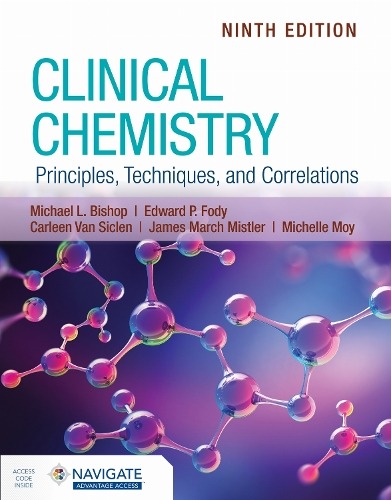
Keeps students at the forefront of what continues to be one of the most rapidly advancing areas of laboratory medicine with clear explanations that balance analytic principles, techniques, and correlation of results with coverage of disease states. The book not only demonstrates the how of clinical testing, but also the what, why, and when of testing correlations to help students develop the knowledge and interpretive and analytic skills they'll need in their future careers.
Demonstrates the how of clinical testing, and also the what, why, and when of testing correlations to help students develop the knowledge and interpretive and analytic skills they'll need in their future careers
This fully updated volume describes methods and protocols for a number of drugs and toxins in a stepwise manner. Exploring the versatility and flexibility of mass spectrometry, the book covers the advantages of this technology, which typically include elimination of the need for special reagents such as antibodies, increased sensitivity and specificity, and multi-component analysis enabling the screening of tens to hundreds of compounds in a single assay run. Written for the highly successful Methods in Molecular Biology series, chapters include introductions to their respective topics, lists of the necessary materials and reagents, step-by-step and readily reproducible laboratory protocols, as well as tips on troubleshooting and avoiding known pitfalls.
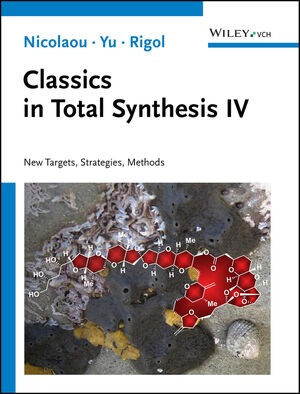
A compilation of highly important synthetic methods which lead to complex molecules with valuable properties. From the complex architectures of natural products to the streamlined synthesis of functional molecules, each chapter in Classics in Total Synthesis IV unfolds a unique story. The interplay of mechanisms, reactivity, selectivity, and stereochemical aspects is thoroughly examined, echoing the pedagogical format that has become synonymous with this series. Well-designed graphics are included throughout, and all important parts of the reaction sequences are highlighted.
Covers the latest advancements in the study of ciliary complexity. Protocols cover genomic, proteomic, imaging, and functional analysis of different ciliated tissues and their wide applicability in cilia biology. Chapters in this book primarily focus on methods to study multiciliated cells, and discuss topics such as SARS-CoV-2 infections of human primary nasal multiciliated epithelial cells; expansion microscopy of ciliary proteins; live-imaging centriole amplification in mouse brain multiciliated cells; biophysical properties of cilia motility; and mucociliary transport device construction. Written in the highly successful Methods in Molecular Biology series format, chapters include introductions to their respective topics, lists of the necessary materials and reagents, step-by-step, readily reproducible laboratory protocols, and tips on troubleshooting and avoiding known pitfalls.
Cytogenetics is a very important research tool in basic and applied research. The uses of cytogenetics in human-population monitoring, in biological dosimetry in radiation accidents and in astronauts and as a predictive measure of cancer are topics discussed in this book. The book will help the reader to better understand cytogenetics and the intricacies of the methodology. The different methods of fluorescence in situ hybridization are discussed and the results achieved are presented. The book provides a comprehensive review of basic and applied aspects of cytogenetics and therefore will be of interest to all who are interested in chromosomes and their alterations by different types of mutagens, including chemical mutagens and ionizing and nonionizing radiation, with special reference to electromagnetic fields.
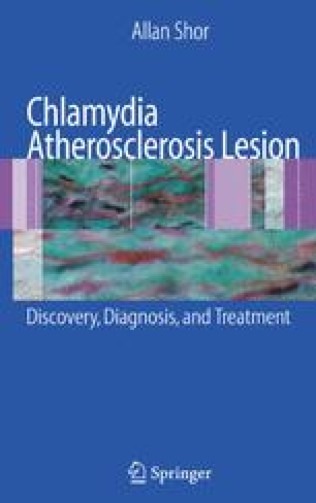
This book presents current understanding on the specific pathological features of the C. pneumoniae arterial lesion and the unique morphological features and life cycle of C. pneumoniae in atheromatous arteries. It is important for every medical practitioner to be aware of this disease. All internal medicine physicians, intensivists, family medicine practitioners, infectious disease and immunology physicians should be aware of the impact of C. pneumoniae, the specific pathological features, and methods of diagnosing the lesion. This book presents a unique review of this important
Presents both theoretical guidance and protocols on chemogenomics including chemogenomics library assembly, compound profiling, and phenotypic assays. The chapters in this book cover topics such as the assembly and use of Kinase Chemogenomics; data mining for chemogenomic compound candidates; protocols for protein family-focused assay systems to profile chemogenomic compounds; functional and target engagement assays in cellular settings for broad characterization; and a discussion on phenotypic assays where chemogenomic sets may be applied.
A team of renowned technologists and engineers delivers a practice guide to chemical product design. Offering real-world case studies for disinfectant formulation, the optimization of defined media, and the formulation of biocomposites, the book contains introduction to the current product design process. A practical approach to the essentials of product design, related statistical techniques and optimization, patents, green chemistry and gives real life case studies.
Described the contents of food raw materials and products, the chemistry/biochemistry of food components, as well as the changes occurring during post-harvest storage and processing affecting the quality of foods. Discusses the role of chemical compounds in the structure of raw materials and the formation of different attributes of food quality, including nutritional value, safety, and sensory properties. It contains four new chapters: “Non-Protein Nitrogenous Compounds”; “Prooxidants and Antioxidants in Food”; “Non-Nutritive Bioactive Compounds in Food of Plant Origin”; and “Analytical Methods Used for Assessing the Quality of Food Products.”
Pesents hands-on technological protocols used to target an array of cell-secreted extracellular vesicles (EVs) in a variety of biological systems. Beginning with methods for EV purification and analysis, the book continues with sections on the study of EV functions as well as specific systems and models allowing for the study of EVs of different origin. Written for the highly successful Methods in Molecular Biology series, chapters include introductions to their respective topics, lists of the necessary materials and reagents, step-by-step and readily reproducible laboratory protocols, and tips on troubleshooting and avoiding known pitfalls.
Cell Surface Receptors: A Short Course on Theory and Methods, 3rd Edition, links theoretical insights into drug-receptor interactions described in mathematical models with the experimental strategies to characterize the biological receptor of interest.
Collects techniques to study the highly regulated cell cycle process. Beginning with chapters investigating these processes and assessing how cells respond when these complicated pathways are simplified by using synthetic biology and in vitro reconstitutions, the book continues by exploring how cells sense and respond to environmental conditions, different model systems and cellular types used to visualize cellular architecture during cell division, as well as innovative single cell microscopy techniques to highlight the heterogeneity of the cell population with respect to cell cycle progression. Written for the highly successful Methods in Molecular Biology series, chapters include introductions to their respective topics, lists of the necessary materials and reagents, step-by-step and readily reproducible laboratory protocols, and tips on troubleshooting and avoiding known pitfalls.
Cartilage Repair Strategies is a comprehensive update of the present state of cartilage repair and regeneration. The information in this volume addresses what methods are effective, what methods are safe, and what methods will lead to an alteration in the short history of articular cartilage injury repair. Contributors present examinations of a variety of topics including the structure and function of articular cartilage, the evaluation of cartilage repair techniques, and the latest cartilage sensitive imaging techniques.
Cardiovascular Research: New Technologies, Methods & Applications serves as an essential reference material offering a complete overview of innovative new technologies, methods, and applications in current cardiovascular research. Cardiovascular Research: New Technologies, Methods & Applications presents a methods and applications approach to cardiovascular research written by prominent international researchers presenting commissioned summaries of cutting edge research.
The cardiovascular system transports oxygen and nutrients to all parts of the body; therefore, any impediment to this system through, for example, a circulatory disorder, represents a serious threat to organs, tissues, and cells. Obstructive diseases of vessels with a diameter of more than 1 mm can be treated by conventional surgical and interventional approaches; however, blockages in small vessels with a diameter of less than 1 mm cannot be treated by conventional methods. As a consequence, therapeutic ang- genesis and vasculogenesis for the treatment of ischemic diseases have been widely studied in the last decade. These methods may contribute to the re pair of intractable cardiovascular diseases with a main vascular involvement in the body's smallest vessels. In this book, Hikaru Matsuda and I have tried to summarize recent Japanese developments in the field of cardiovascular regeneration therapies using tissue engineering.
Cryopreserved allograft tissues are now standard materials for the reconstructive cardiac surgeon. Since publication of the first edition ("Cardiac Reconstructions with Allograft Valves") in 1989, the field has progressed dramatically with increased clinical use of cardiovascular allograft tissues, with the development of new surgical techniques, and with advances in the understanding of the fundamentals of valve transplantation biology and cryopreservation. As a result, over two-thirds of the present volume represents new material. Fifty-six authors bring their expertise to thirteen comprehensive, lavishly illustrated sections which discuss the principles of the use of homograft valves, major clinical series of homograft valves for both left and right ventricular outflow tracts, cryopreserved allograft tissue for cardiac reconstruction, cell biology of heart valve leaflets, cryobiology of heart valve preservation, morphological, biochemical, and explant pathology studies of allograft heart valves, allograft valve banking, as well as detailed explanation of surgical techniques for valve and root methods for left and right ventricular outflow tract reconstructions, the Ross operation and variants, and complex reconstructions. A final section presents potential future directions for the field. Over 400 illustrations, created expressly for this book, depict the surgical techniques from the perspective of the surgeon standing at the operating table.
Discussions on topics such as gene suppression, editing, and reprogramming; cardiac gene therapy vectors and promoters; cardiac gene delivery methods; pulmonary hypertension; and patient screening and measuring the efficacy of cardiac gene therapy. Written in the highly successful Methods in Molecular Biology series format, chapters include introductions to their respective topics, lists of the necessary materials and reagents, step-by-step, readily reproducible laboratory protocols, and tips on troubleshooting and avoiding known pitfalls.

Daraa Highway - Ghabagheb - Syria
+963-15 2050 - 15 860 380 /1/2/3 - 11 662 3900