



Page 10
Page 10

Imaging in Treatment Planning for Sinonasal Diseases
Provides both basic and advanced information on the clinical presentation, imaging findings and treatment of sinonasal diseases. For each specific disease, the rationale underlying the treatment strategy is discussed and the imaging findings critical to the decision-making process are identified. This is an original approach and reflects the constant team effort at the editors' institute over the past 15 years to integrate clinical and radiological information with the aim of establishing the most appropriate treatment. Special emphasis is placed on the identification of clinical and imaging data that allow selection of an endonasal or an external approach in surgical candidates. The value of planning an integrated endoscopic and radiological follow-up in the different diseases is also thoroughly reviewed. Through the correlation of imaging with endoscopic or clinical findings, this book will enable radiologists to familiarise themselves with the "otorhinolaryngological world" and clinicians to understand more fully the significance of specific radiological findings. It will serve as an invaluable guide to the selection of imaging techniques.

Imaging Atlas of the Pelvic Floor and Anorectal Diseases
The goal of Imaging Atlas of the Pelvic Floor and Anorectal Diseases is to clearly and precisely present indications, techniques, limitations, sources of errors, and pitfalls of these imaging modalities.

Image Analysis and Recognition ; 17th International Conference, ICIAR 2020, Póvoa de Varzim, Portugal, June 24–26, 2020, Proceedings, Part II
This two-volume set LNCS 12131 and LNCS 12132 constitutes the refereed proceedings of the 17th International Conference on Image Analysis and Recognition, ICIAR 2020, held in Póvoa de Varzim, Portugal, in June 2020. The 54 full papers presented together with 15 short papers were carefully reviewed and selected from 123 submissions. The papers are organized in the following topical sections: image processing and analysis; video analysis; computer vision; 3D computer vision; machine learning; medical image and analysis; analysis of histopathology images; diagnosis and screening of ophthalmic diseases; and grand challenge on automatic lung cancer patient management.

Image Analysis and Recognition ; 17th International Conference, ICIAR 2020, Póvoa de Varzim, Portugal, June 24–26, 2020, Proceedings, Part I
This two-volume set LNCS 12131 and LNCS 12132 constitutes the refereed proceedings of the 17th International Conference on Image Analysis and Recognition, ICIAR 2020, held in Póvoa de Varzim, Portugal, in June 2020. The 54 full papers presented together with 15 short papers were carefully reviewed and selected from 123 submissions. The papers are organized in the following topical sections: image processing and analysis; video analysis; computer vision; 3D computer vision; machine learning; medical image and analysis; analysis of histopathology images; diagnosis and screening of ophthalmic diseases; and grand challenge on automatic lung cancer patient management.

Ibuprofen : Clinical Pharmacology, Medical Uses and Adverse Effects
Presents topical research in the study of the clinical pharmacology, medical uses, and adverse effects of ibuprofen. Topics discussed include the occurrence, ecotoxicity and water remediation technologies of ibuprofen in the aquatic environment; associated adverse drug reaction in ibuprofen use; hybrid multifunctional ibuprofen drugs; a pharmaceutical nanotechnology approach to ibuprofen delivery; vibrational dynamics and chiral properties of racemate and pure enantiomers of ibuprofen complexed in cyclodextrins; therapeutic effects of ibuprofen on transgenic mice models of neurodegenerative diseases; and the use of ibuprofen for pain relief in gynecology.

IAEA Atlas of Cardiac PET/CT : A Case-Study Approach
This book presents a wide portfolio of examples of positron emission tomography coupled with computer tomography (PET/CT) studies in various cardiac conditions in order to provide a rationale for the implementation of this technology in an array of clinical conditions. Cardiovascular diseases are a major contributor to premature morbidity and mortality worldwide. Low- and middle-income countries (LMICs) are particularly affected by cardiovascular diseases (CVDs), with more than 75% of all CVDs deaths occurring in these countries. For this reason, target 3.4 of the United Nations (UN) Sustainable Development Goals (SDGs) agenda aims at a 30% reduction in premature mortality due to non-communicable diseases (NCDs), which include CVDs, by 2030.

I recettori dellangiotensina : Dalla biologia molecolare alla terapia con gli antagonisti recettoriali
Describes all the structural and functional characteristics of angiotensin receptors, with particular reference to their molecular and pharmacological properties. The therapeutic applications of AT1 receptor antagonists and the results obtained from large trials are also discussed, especially in arterial hypertension, heart failure, diabetic nephropathy and stroke.

I disturbi della consapevolezza nelle malattie neuropsichiatriche = Disturbances of awareness in neuropsychiatric diseases
Aims to outline the set of current international knowledge on disease awareness in various neuropsychiatric conditions (hemiplegia resulting from brain damage, psychosis, dementia and mood disorders), with particular reference to anosognosia and 'insight. The comparison between different conceptualizations and the variety of clinical manifestations gives rise to a very complex picture that requires a multidimensional approach, especially as regards the diagnostic moment. To this end, the authors propose an integration of various contributions on the pathogenetic level, based on neuroanatomical evidence and supported by the most recent neuroimaging techniques. In addition, the use of a complex diagnostic battery is suggested, capable of analyzing the different aspects of the phenomenon, and distinguishing it from the psychological defensive mechanism of denial. Research in this field is also essential to promote rehabilitation and compliance with treatment, as well as the enrichment of knowledge on the processes underlying consciousness and awareness in the human being.

Hypomelanosis Vitiligo & Albinism
• In General, understanding the disease is the best way to reach a perfect treatment. • This study aims to discuss the Hypomelanosis: • Vitiligo and Albinism and understanding the pathophysiology and present a types, symptoms and diagnosis of it. • Treatment ways and it's development, Nano-Drug and role of PRP in the treatments also had been presented. • The effect of Vitiligo on family members and living with it also had been discussed. • Finally, we have searched in managements and recommendations of Vitiligo patients during COVID-19 pandemic.

Hypersensitivity = فرط الحساسية
فرط التحسس هو عبارة عن ردود فعل لجهاز المناعة تسبب ظواهر غير مرغوب بها تشمل تضرر الأنسجة و الإمراض المتعددة هذه الظواهر المرضية الناجمة عن نشاط جهاز المناعة تسمى ظواهر فرط التحسس حيث إن جهاز المناعة يحمي الجسم من الأجسام الضارة الخارجية وخاصة الملوثات و السبب الأكثر شيوعا لحدوث ظواهر فرط التحسس هي عدم تمييز جهاز المناعة أحيانا بين الأجسام الذاتية وبين الأجسام الدخيلة هذا التمييز يشكل صفه ضرورية لجهاز المناعة لضمان أداء وضيفي سليم وحتى ليقوم جهاز المناعة بمهاجمة الأنسجة الذاتية أمراض فرط التحسس من الممكن ان تحدث بسبب رد فعل مناعي مفرط ضد مسببات خارجية مثلما هو الحال مع إمراض الحساسية .
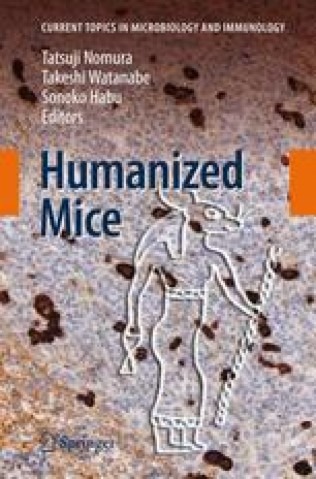
Humanized mice
The term humanized mouse in this text refers to a mouse in which human tissues and cells have been transplanted and show the same biological function as they do in the human body. That is, the physiological properties and functions of tra- planted human tissues and cells can be analyzed in the mouse instead of using a living human body. It should therefore be possible to study the pathophysiology and treatment of human diseases in mice with good reproducibility.
Human Nucleotide Expansion Disorders
Human neurological and neuromuscular disorders caused by nucleotide expansion, first discovered in 1991, are the focus of growing interest of practicing physicians and of interested biomedical researchers. This volume represents a comprehensive and up-to-date description of many of the better-studied disorders. The expert authors discuss molecular, clinical and pathological aspects of the diseases as well as our current understanding of their underlying mechanisms. Of special interest are ideas and initial results of the different therapeutic strategies that can be employed to overcome some of the disorders. As a summary of the state-of-the-art research in this field, this book is of value to human geneticists, molecular biologists and biochemists as well as to practicing neurologists and pediatricians.
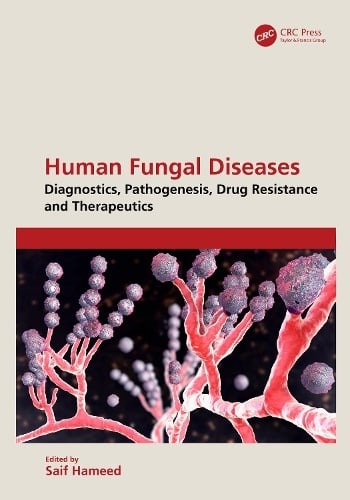
Human fungal diseases : Diagnostics, pathogenesis, drug resistance and therapeutics
Reviews the latest advancements in the fungal infections and their impact on human health. It presents epidemiology, diagnosis, pathogenesis, risk factors, virulence mechanisms, treatment, and strategies for the disease management and prevention of fungal infections. The book further reviews host-pathogen interactions, biofilm formation, and quorum sensing. It also covers the clinical manifestations, diagnostic approaches, and management strategies of opportunistic fungal infections, emerging fungal infections, and allergic fungal infections. It presents the latest advancements in diagnostic methods and therapeutic strategies, covering both conventional techniques and state-of-the-art approaches. Further, the book elucidates antifungal stewardship, nanotechnology, and omics technologies, providing insights into cutting-edge strategies for prevention, control, and management of multidrug-resistant fungi. This book is useful for researchers, students, and health professionals working in the fields of mycology, infectious diseases, immunology, dermatology, and pulmonology.

Human Challenge Studies in Endemic Settings : Ethical and Regulatory Issues
This book provides an extensive review of ethical and regulatory issues related to human infection challenge studies, with a particular focus on the expansion of this type of research into endemic settings and/or low- and middle-income countries (LMICs). Human challenge studies (HCS) involve the intentional infection of research participants, and this type of research is rapidly increasing in frequency worldwide

Human battle against obesity
Obesity is one of the most common preventable diseases and it is a medical condition in which excess fat has accumulated in the body, mostly in the subcutaneous tissues. Clinical obesity is considered to be present when a person has a body mass index of 30 or over. Obesity results from a chronic positive energy balance regulated by a complex interaction between endocrine tissues and the central nervous system, This activity reviews the pathophysiology of obesity, inflammatory markers secreted by excessive fat deposition in adipose tissue, and their effects on chronic diseases such as hypertension, diabetes, and dyslipidemia.
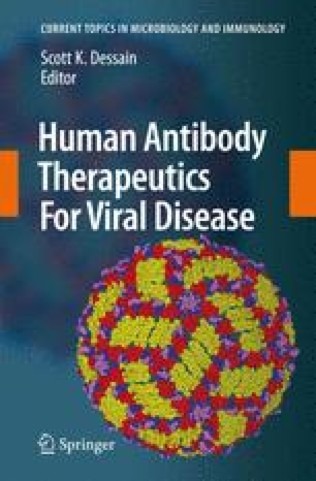
Human antibody therapeutics for viral disease
The articles in this volume are definitive and comprehensive reviews written by experts who have sought to define the principles of viral neutralization by human antibodies. They explore and anticipate the obstacles and opportunities that will be encountered as the power of human antibodies is harnessed to address the vast, un-met need for effective anti-viral therapeutics.

How to Examine the Nervous System
This textbook simplifies the apparent complexity of the neurological examination to make it completely understandable and satisfying to perform. With simple prose and numerous helpful illustrations, the author describes in detail reliable bedside examination techniques that will pinpoint the location of a lesion in the nervous system and lead to a resolution of the problem.

How the immune system recognizes self and nonself : Immunoreceptors and their signaling
This brain function must have been particularly important for most animals to protect their lives from enemies and for species to survive through evolution. Similarly, higher organisms have also acquired their immune system through evolution that discriminates nonself pathogens and self-body to protect their lives from pathogens such as bacteria or viruses. The brain system may distinguish integrated images of self and nonself created from many inputs, such as vision, sound, smell, and others. The immune system recognizes and distinguishes a variety of structural features of self and nonself components. The latter actually include almost everything but self.

Hot Topics in Infection and Immunity in Children IV
Hot Topics in Infection and Immunity in Children IV contains chapters based on lectures given by speakers at the “Infection and Immunity in Children” course, held in June 2006 at Keble College, Oxford. It was the fourth annual course of this name and this is the fourth book in the series as well. Together the courses and books have become important components of the training available to paediatricians with an interest in this specialty and have become increasingly popular each year. This book covers topics in infectious diseases in children and is intended for Pediatric Infectious Disease trainees, trainers, and all those who manage children with infections.

Hot Topics in Infection and Immunity in Children III
This book is based on the course “Infection and Immunity in Children 2005” which was held at St Catherine’s College Oxford, UK in June 2005. This is the third book in this series covering topics in infection and immunity during childhood and based on the Oxford courses. These courses, and their companion books, are aimed at encouraging excellence in clinical practice and raising the pro? le of paediatric infectious disease with a particular eye on the needs of trainees in the specialty. At the time of writing a fourth course is already at an advanced stage of planning for June 2006 with a completely new programme once again. You will ? nd in this book a wealth of state of the art information about various aspects of paediatric infectious diseases written by leading authorities in the ? eld. We hope this volume will bring new insights into the management of children with infectious diseases and improve the health of children.
