




Polyelectrolytes and Nanoparticles
Guides chemists through demonstrations of synergistic effects between polyelectrolytes and nanoparticles. After a short introduction into the field of polyelectrolytes and polyelectrolyte characterization, the role of polyelectrolytes in the process of nanoparticle formation is discussed in more detail. However, polyelectrolytes can directly influence the growing of nanoparticles and also can stabilize the nanoparticles formed. Therefore, the nanoparticle formation in polyelectrolyte-modified template phases, e.g. microemulsions, is of growing interest. Finally, methods for characterization of the polyelectrolyte-modified nanoparticles are explained. The adsorption of polyelectrolytes can be detected by measuring the zeta potential at the nanoparticle surface by means of electrophoretic light scattering, acoustophoresis or streaming potential measurements.
Related Books

The Plaston Concept : Plastic Deformation in Structural Materials
This book presents the novel concept of plaston, which accounts for the high ductility or large plastic deformation of emerging high-performance structural materials, including bulk nanostructured metals, hetero-nanostructured materials, metallic glasses, intermetallics, and ceramics.

The Seine River Basin
This book reviews the water-agro-food and socio-eco-system of the Seine River basin (76,000 km2), and offers a historical perspective on the river’s long-term contamination.

Probiotic Research in Therapeutics ; Vol.1: Applications in Cancers and Immunological Diseases
The volume sheds new light on role of gut dysbiosis in cancer and immunological diseases and their clinical manifestations. Contributions in the volume discuss about the gut microbiota as a therapeutic target and the role of probiotics in its management. The volume explores application of probiotics in the treatment of various cancers viz. colorectal, gastric, lung, and breast cancer and immunological diseases. The volume comprises of chapters from expert contributors organized into various important themes which include, introduction, relationship between gut microbiota and disease condition, mechanisms involved, clinical and in vivo status, conclusion and future directions. This is a highly informative and carefully presented book, providing recent and innovative insight for scholars and researchers with an interest in probiotics and its applications in cancer and immunological diseases.
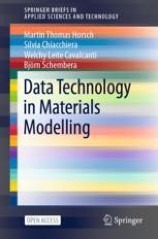
Data Technology in Materials Modelling
This book discusses advances in semantic interoperability for materials modelling, aiming at integrating data obtained from different methods and sources into common frameworks, and facilitating the development of platforms where simulation services in computational molecular engineering can be provided as well as coupled and linked to each other in a standardized and reliable way.
