



الصفحة 1
الصفحة 1

Nanotechnology : Assessment and Perspectives
A new definition of Nanotechnology by the authors is used as an anchor for the various sections of the book. This leads to an integrated text reflecting the multidimensional challenges occurring around Nanotechnology. The most important results of the study are transferred into acting recommendations concerning scientific progress, industrial relevance, economic potential, educational needs, potential adverse health effects and philosophical aspects of Nanotechnology.

Nanotechnologies, Hazards and Resource Efficiency : A Three-Tiered Approach to Assessing the Implications of Nanotechnology and Influencing its Development
Nanotechnology is frequently described as an enabling technology and 1 fundamental innovation, i.e. it is expected to lead to numerous innovative developments in the most diverse fields of technology and areas of app- cation in society and the marketplace. The technology, it is believed, has the potential for far-reaching changes that will eventually affect all areas of life. Such changes will doubtlessly have strong repercussions for society and the environment and bring with them not only the desired and intended effects such as innovations in the form of improvements to products, pr- esses and materials; economic growth; new jobs for skilled workers; relief for the environment; and further steps toward sustainable business, but also unexpected and undesirable side effects and consequences.

Health technology assessments by the National Institute for Health and Clinical Excellence : A qualitative study
This volume dissects the robustness of the agency’s technology appraisal processes as NICE evaluates innovative methods for diagnosis and intervention. Given the unique features of attention-deficit/hyperactivity disorder (ADHD)—starting with it being diagnosed mainly in children and adolescents, its high comorbidity with other psychiatric conditions, and its considerable economic impact—the disorder is a perfect focal point for discussion.
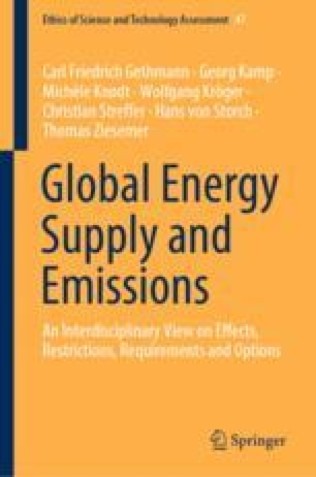
Global energy supply and emissions : An interdisciplinary view on effects, restrictions, requirements and options
offers an authoritative analysis of the state-of-the art in energy and climate research and policy. It starts by describing the current status of technologies that are expected to have an influence on the energy systems of the future. For an adequate evaluation, it presents the latest findings on the effects of energy supply and consumption as well as of the emissions on both the environment and people’s health. This is followed by an extensive discussion of the economic and social problems related to climate change, the need for energy transitions, and other issues that may require public investment and international agreements. reviews the problem of energy policy from a global perspective, providing readers with the technical, political, economic and ethical background needed to understand the current situation and work at better solutions for a sustainable, just and prospering world.

Gene drives at tipping points : Precautionary technology assessment and governance of new approaches to genetically modify animal and plant populations
This book reports on a pilot project aiming at collecting information on the socio-ecological risks that could arise in the event of an uncontrolled spread of genetically engineered organisms into the environment. The researchers will, for instance, be taking a closer look at genetically engineered oilseed rape, genetically engineered olive flies as well as plants and animals with so-called gene drives. The book mainly adresses researchers.

Energy and American Society – Thirteen Myths
This book takes on a central quandary in the study of energy and environmental policy: What myths continue to exist in American culture concerning energy, the environment, and society? It enrolls twenty-four of the nation’s top experts working on energy policy in industry, government laboratories, utilities, nonprofit organizations, and universities to debunk and contextualize thirteen energy myths relating to electric power, renewable energy, energy efficiency, transportation, and climate change. While the book focuses on the American experience, it will be of interest to those working in the fields of energy policy, energy and the environment, and technology assessment worldwide.

Clinical evaluation of medical devices : Principles and case studies
It include the many innovations and clinical research methods that have developed since the first edition, as well as current information on the regulatory, legal, and reimbursement environment for medical devices. The book's deeply experienced authors summarize the key principles and approaches employed in medical device clinical trials and illustrate their uses in a revealing series of detailed, real-world case studies.
