



الصفحة 1
الصفحة 1

Oilseeds
Genome Mapping and Molecular Breeding in Plants presents the current status of the elucidation and improvement of plant genomes of economic interest. The focus is on genetic and physical mapping, positioning, cloning, monitoring of desirable genes by molecular breeding and the most recent advances in genomics. The series comprises seven volumes: Cereals and Millets; Oilseeds; Pulses, Sugar and Tuber Crops; Fruits and Nuts; Vegetables; Technical Crops; and Forest Trees.
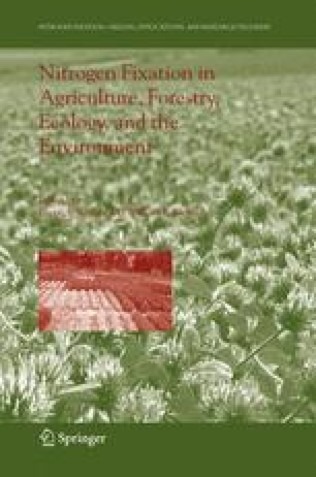
Nitrogen Fixation in Agriculture, Forestry, Ecology, and the Environment
Sustainability has a major part to play in the global challenge of continued development of regions, countries, and continents all around the World and biological nitrogen fixation has a key role in this process. This volume begins with chapters specifically addressing crops of major global importance, such as soybeans, rice, and sugar cane. It continues with a second important focus, agroforestry, and describes the use and promise of both legume trees with their rhizobial symbionts and other nitrogen-fixing trees with their actinorhizal colonization. An over-arching theme of all chapters is the interaction of the plants and trees with microbes and this theme allows other aspects of soil microbiology, such as interactions with arbuscular mycorrhizal fungi and the impact of soil-stress factors on biological nitrogen fixation, to be addressed. Furthermore, a link to basic science occurs through the inclusion of chapters describing the biogeochemically important nitrogen cycle and its key relationships among nitrogen fixation, nitrification, and denitrification. The volume then provides an up-to-date view of the production of microbial inocula, especially those for legume crops.

New Frontiers in Lifestyle-Related Diseases
Akiyoshi Hosoyamada, M.D., Ph.D. President, Showa University Tokyo, Japan September 2007 v Preface The leading cause of death in Western countries and some developing countries is atherosclerotic cardiovascular diseases. Among them, acute myocardial infarction is the most common type of fatal disease, caused by the progression of atherosclerosis characterized by accumulation of choles terol in vascular walls. Development of atherosclerosis is greatly enhanced by major risk factors for cardiovascular diseases such as obesity, hyperlip idemia, diabetes (hyperglycemia), and hypertension. Among those, obesity frequently initiates a metabolic change that subsequently induces hyperlip idemia, diabetes, hypertension, and eventually atherosclerotic cardiovascu lar diseases. Because obesity and its related disorders largely depend on lifestyle factors such as high calorie intake and low physical activity, a series of disorders are termed lifestyle-related diseases.

Molecular Marker Systems in Plant Breeding and Crop Improvement
Successful release of new and better crop varieties increasingly requires genomics and molecular biology. This volume presents basic information on plant molecular marker techniques from marker location up to gene cloning. The text includes a description of technical approaches in genome analysis such as comparison of marker systems, positional cloning, and array techniques in 19 crop plants. A special section focuses on converting this knowledge into general and specific breeding strategies, particularly in relation to biotic stress. Theory and practice of marker assisted selection for QTL, gene pyramiding and the future of MAS are summarized and discussed for maize, wheat, and soybean. Furthermore, approaches in silviculture on the examples of Fagus, Populus, Eucalyptus, Picea and Abies are presented. The volume ends with a comprehensive review of the patents relevant for using molecular markers and marker assisted selection.
Integrated Management and Biocontrol of Vegetable and Grain Crops Nematodes
The second volume of the IMPD series describes aspects related to most important phytoparasitic nematodes, considering the integration of biological control methods with other management practices and technologies, including the use of predatory nematodes and microbial rhizosphere antagonists. Chapters cover topics like the mode of action and interactions of nematophagous fungi, the efficacy of controll and management of plant parasitic nematode communities through a soil conservation approach, and exploitation of nematodes-bacteria antagonistic relationships.
Growing Food : A guide to food production
This specialist handbook is intended as a quick and easy reference guide for individuals and organisations that are involved with the production of food, from both agriculture and horticulture. It is designed to be used as a reference book that answers basic questions about how food is produced from plants, and aims to demystify the subject of growing food as far as possible. The focus is firmly on the technical aspects of food crops; animal husbandry, agrochemicals and genetic engineering are only briefly mentioned. The book is divided into three sections: 1. Principles and Practices used in Agriculture and Horticulture; 2. Description and Characteristics of the Main Food Crops; 3. Naming and Classification of Plants, Seed Purchase Procedures, Conversion Tables and Statistics, Planning and Assessing Agricultural Projects.

Genomics-assisted crop improvement ; Vol.2 : Genomics applications in crops
Genomics research has great potential to revolutionize the discipline of plant breeding. This two-volume set provides a critical assessment of genomics tools and approaches for crop breeding. Volume 2, entitled "Genomics Applications in Crops", compiles crop-specific studies that summarize both the achievements and limitations of genomics research for crop improvement.

Genetics and Genomics of Soybean
The book covers recent progress on genome research in soybeans, including the genetic map with classical, RFLP, SSR and SNP markers; genomic and cDNA libraries, functional genomics platforms (e.g., cDNA, Affymetrix and oligonucleotide based DNA microarrays); physical maps, and the efforts to fully sequence the genome. Given the pending release of the soybean genome sequence, through the efforts of the Department of Energy’s Joint Genome Institute, this book will stand as a critical source of information on soybean.
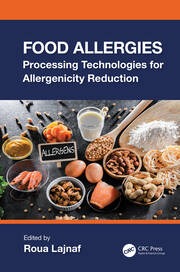
Food allergies processing technologies for allergenicity reduction
Provides an authoritative source of information on the relationship between food processing technologies and food allergens with a greater variety of studied allergens including peanuts, tree nuts, cow’s milk, eggs, sesame, lupine, soy, wheat, mustard, mushroom, fish and shellfish, as well as the importance of processing these when producing hypoallergenic foods.

Eighteenth International Seaweed Symposium ; Proceedings of the Eighteenth International Seaweed Symposium held in Bergen, Norway, 20 - 25 June 2004
The Proceedings of the 18th International Seaweed Symposium provides an invaluable reference to a wide range of fields in applied phycology. Papers cover topics as diverse as systematics, ecology, commercial applications, carbohydrate chemistry and applications, harvesting biology, cultivation and more. Contributions from all parts of the world give the volume exceptional relevance in an increasingly global scientific and commercial climate. Like its predecessors, this volume provides a benchmark of progress in all fields of applied seaweed science and management, and will be referred to for many years to come.

Color Atlas of Melanocytic Lesions of the Skin
The purpose is to teach dermatologists how to increase diagnostic accuracy of pigmented lesions, especially melanoma, by using the dermatoscope. … The audience is dermatologists and dermatology residents
Climate Change and Technological Options : Basic facts, Evaluation and Practical Solutions
climate change focussing on technical solutions for the most important and climate relevant economic sectors is presented. It is intended for key decision makers, and administrators within industry, agricultural and energy sectors, as well as masters students and post graduates. The first of three sections covers the scientific basis of climate change and the instruments to prevent or reduce negative climate effects. It includes a survey covering current practices at different levels.It discusses evaluation methods for climate impacts from industrial processes. Climate relevant processes and measures to reduce their impact such as sequestration are defined in the final section, with the main focus being on renewable resources. Details are given on climate impacts of waste prevention, recycling and waste management as well as are proposals for every day solutions.
Biofuels, Solar and Wind as Renewable Energy Systems : Benefits and Risks
With shortages of fossil energy, especially oil and natural gas, and heavy biomass energy use occurring in both developed and developing countries, a major focus has developed worldwide on renewable energy systems. Renewable energy systems include wind power, biomass, photovoltaics, hydropower, solar thermal, thermal ponds, and biogas. Currently, a heavy focus is on biofuels made from crops, such as corn, sugarcane, and soybeans, for use as renewable energy sources. Wood and crop residues also are being used as fuel. Though it may seem beneficial to use renewable plant materials for biofuel, the use of crop residues and other biomass for biofuels raises many concerns about major environmental problems, including food shortages and serious destruction of vital soil resources.
