



الصفحة 1
الصفحة 1

Nebulae and How to Observe Them
This book is a mine of information for all levels of amateur astronomy, from relative beginners to experienced observers. In one book, here is all you need to understand and observe those diverse and beautiful objects that fall under the heading of ‘nebulae’.

Galaxies and How to Observe Them
Satisfies the need for a modern, comprehensive review in combining the three major aspects: the physical background on the nature and data of galaxies, the relevant instrumentation and viewing techniques, and finally the targets and their individual appearance in telescopes of various apertures. To illustrate the latter, a comprehensive sample of galaxies, including quasars, groups and clusters of galaxies is presented. This combination of theoretical knowledge and practical information guarantees successful observing sessions. The book could become a standard source on galaxy observing for all kinds of amateur observers, from the beginner to the experienced.
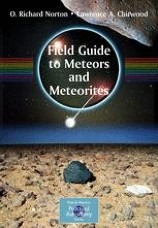
Field Guide to Meteors and Meteorites
Imagine the unique experience of being the very first person to hold a newly-found meteorite in your hand – a rock from space, older than Earth! "Weekend meteorite hunting" with magnets and metal detectors is becoming ever more popular as a pastime, but of course you can’t just walk around and pick up meteorites in the same way that you can pick up seashells on the beach. Those fragments that survived the intense heat of re-entry tend to disguise themselves as natural rocks over time, and it takes a trained eye – along with the information in this book – to recognize them.

Double & Multiple Stars, and How to Observe Them
The first part of Jim Mullaney’s book provides a comprehensive review of the different classes of double and multiple systems, along with a look at the astrophysics of these objects. This is followed by a detailed guide for amateur astronomers, describing how to observe them – using a variety of different techniques – and outlining how to record the observations.In one book, here is all you need to observe double and multiple stars, and to understand the systems you are looking at.
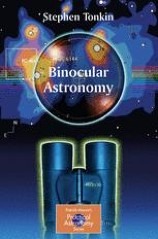
Binocular astronomy
Anyone who has used a binocular telescope or even wide-field binoculars to look at the night sky will know just how breathtakingly beautiful the view can be when you observe with both eyes. Observing galaxies and nebulae with ‘regular’ prismatic binoculars is just a beginning. Binocular eyepieces and adapters can be added to almost any commercially-made astronomical telescope, and of course specialized astronomical binoculars can be assembled or purchased complete. These range from modest instruments to giants that are basically two large telescopes mounted together. Binocular Astronomy contains everything you’ll need to know about this exciting branch of astronomical observing.

A buyers and users guide to astronomical telescopes & binoculars
Provides an extensive overview of astronomical binoculars and telescopes. It includes detailed up-to-date information on sources, selection and use of virtually every major type, brand, and model of such instruments on today’s market. A Buyer’s & User’s Guide to Astronomical Telescopes and Binoculars is written for amateur astronomers and would-be amateur astronomers. Anyone planning to purchase binoculars or telescopes for astronomy – whether as a first instrument or as an upgrade to the next level – will find this book a treasure-trove of information and advice. But that is just the first part of the book. The second part is crammed with hints and tips on using astronomical telescopes or binoculars – in effect, how to get the best possible results from your purchase.
