



الصفحة 1
الصفحة 1

Diabetic Neuropathy : Clinical Management
It is leading medical specialists critically review for the general practitioner the latest techniques for the clinical management of diabetic neuropathy. It is also focus on the practical aspects of diabetic neuropathy and describe in detail the treatments that are currently available or expected to become available in the near future. They also include concise discussions of the pathogenesis of diabetic neuropathy and highlight the relatively unknown features of neuropathy that can significantly impact a patient's life.

Diabetes mellitus and bacterial and fungal urinary tract infection
Diabetes mellitus is a heterogeneous group of disorders characterized by variable degrees of insulin resistance, impaired insulin secretion, and increased glucose production. Patients with type 2 diabetes mellitus are at increased risk of infections, with the urinary tract being the most frequent infection site. Various impairments in the immune system, in addition to poor metabolic control of diabetes, and incomplete bladder emptying due to autonomic neuropathy, may all contribute in the pathogenesis of urinary tract infections (UTI) in diabetic patients. Factors that were found to enhance the risk for UTI in diabetics include age, metabolic control, and long-term complications, primarily diabetic nephropathy and cystopathy. The spectrum of UTI in these patients ranges from asymptomatic bacteriuria (ASB) to lower UTI (cystitis), pyelonephritis, and severe urosepsis.

Diabetes Mellitus & Recent developments
Diabetes mellitus is a group of metabolic disease characterized by hyperglycemia resulting from defect in insulin secretion, insulin action, or both. Symptoms of marked hyperglycemia include polyuria, polydipsia, weight loss, sometimes with polyphagia, and blurred vision. Frequency of diabetic in the world About 1 in 11 adults worldwide now have diabetes mellitus, 90% of whom have type 2 diabetes mellitus (T2DM). Asia is a major area of the rapidly emerging T2DM global epidemic Classification Of Diabetic Mellitus. 1-Type 1 diabetes: which accounts for only5–10% of those with diabetes, results from a cellular-mediated autoimmune destruction of the cells of the pancreas. 2-Type 2 diabetes: which accounts for90 –95% of those with diabetes, result from insulin resistance. The chronic complications of diabetes mellitus affect many organ systems and are responsible for the majority of morbidity and mortality. Such as, retinopathy, diabetic foot, neuropathy, and nephropathy, sexual dysfunction, and skin changes.

Managing diabetic wounds : Strategies for effective treatment
Delves into diabetes itself, covering its definition, various types (Type 1, Type 2, and gestational diabetes), and diagnostic laboratory findings such as blood glucose levels and HbA1c. The concept of diabetic foot is thoroughly explored, including its definition, primary causes such as neuropathy, ischemia, and infection, and crucial aspects of prevention, caution, and risk factors like poor glycemic control and smoking.
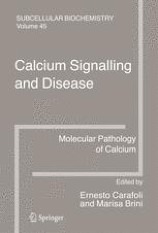
Calcium Signalling and Disease : Molecular Pathology of Calcium
This topic is a new entry in the area of cellular calcium signaling: yet, it now spans the entire area, with discoveries that cover both genetic and acquired pathologies, even offering glimpses in the direction of therapy.Cellular calcium homeostasis, and thus calcium signalling, is mainly regulated by membrane intrinsic proteins and calcium sensor proteins. Both classes may be involved in pathological processes that affect both human and animals, ranging from common and important diseases (e.g. migraine, diabetes, epilepsia, manic depression, infertility, various types of cancer, Alzheimer’s disease, muscular dystrophy) to rare genetic conditions (e.g., a number of genetic heart conditions, autoimmune retinopathies, night blindness, hereditary amyloid polyneuropathy, malignant hyperthermia, cerebellar ataxia, atherothrombotic disease).
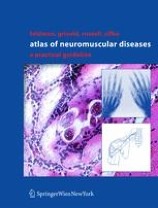
Atlas of Neuromuscular Diseases : A Practical Guideline
A comprehensive outline of neuromuscular diseases, written by experienced American and European authors. It discusses all aspects of neuromuscular disorders including the cranial nerves, spinal nerves, motor neurone disease, the nerve plexus, peripheral nerves, mononeuropathies, entrapment syndromes, polyneuropathies, the neuromuscular junction, and muscle disease. Each chapter is uniformly structured into anatomy, symptoms, signs, pathogentic possibilities, diagnosis and differential diagnosis, therapy and prognosis. Additionally the diagnostic tools and investigations used in neuromuscular disease are explained and a practical guide is given how to advance from symptoms to syndromes. For each disease the therapeutic options are described. It contains large number of clinical and histologic pictures from the practical experience of the authors and also a number of artists drawings to facilitate the understanding of anatomic structures.
