



الصفحة 1
الصفحة 1

New Frontiers in Regenerative Medicine
Rapid advances in stem cell biology have raised exciting possibilities of replacing damaged or lost tissues and cells by activation of in vitro-expanded stem cells or their progeny. This book examines many of the unresolved problems as well as future applications of regenerative medicine. Areas of focus include the nervous system and hippocampal neurogenesis, along with the functional significance of pro-inflammatory cytokines, and the production of free radicals after brain ischemia; the digestive and integumentary systems, dealing with hepatocyte transplantation, pancreatic regeneration, and skin and hair regeneration; and the cardiovascular system, with repair and remodeling of the lung and heart, and arterial remodeling with bone marrow-derived progenitor cells. In addition to animal experiments, results of research on human tissues and organs are included.

Distribution and phenotype of proliferating cells in the Forebrain of adult macaque monkeys after transient global cerebral ischemia
The authors' results show that ischemia differentially activates endogenous neural precursors residing in diverse locations of the adult primate central nervous system. A limited endogenous potential for postischemic neuronal repair exists in neocortex and striatum, but not in the hippocampus proper of the adult macaque monkey brain. The presence of putative parenchymal progenitors and of sustained progenitors in germinative centers opens novel possibilities for precursor cell recruitment.

Clinical Approaches in Endodontic Regeneration : Current and Emerging Therapeutic Perspectives
This book combines explanation of the scientific base underpinning vital pulp treatment with description of current and emerging trends in clinical practice. It guides the reader through modern views on pulp diagnostics, deep caries, and pulp exposure management, leading to an analysis of the biological aspects of regenerative techniques such as angiogenesis, neurogenesis, inflammation, and epigenetics.
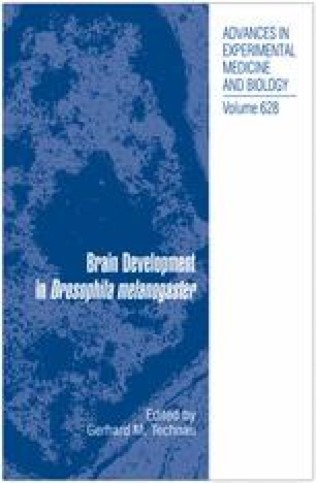
Brain development in Drosophila melanogaster
The central nervous system (CNS) represents the organ with the highest structural and functional complexity. Accordingly, uncovering the mechanisms leading to cell diversity, patterning and connectivity in the CNS is one of the major challenges in developmental biology. The developing CNS of the fruitfly Drosophila melanogaster is an ideal model system to study these processes. Several principle questions regarding neurogenesis (like stem cell formation, cell fate specification, axonal pathfinding) have been addressed in Drosophila by focusing on the relatively simply structured truncal parts of the nervous system. This book provides an overview of some major facets of recent research on Drosophila brain development.
