



الصفحة 1
الصفحة 1

Mouse controller using electroencephalography (EEG) device
The growing technologies related to neuroscience has to lead many innovative applications, most importantly Electroencephalography, or EEG for short. This field of study has become recently a trend that many companies around the world have started to enter the race of conquering the brain and controlling everything from a mouse controller to the whole human body. This project aims to help disabled people use a computer with ease and simplicity without needing to use their hands, or anything really, which they can achieve by wearing a headset or get someone to put it on them. The headset is designed to read brain activities and send it to a computer program to understand where the user wants to move the mouse cursor on the computer screen using an Artificial Intelligence model. This project helps further researches in this field which pushes the technology even further from where it is now. The device designed for this project can be repurposed pretty easily to serve many different applications other than controlling a mouse.

Molecular and Cellular Signaling
A small number of signaling pathways, no more than a dozen or so, form a control layer that is responsible for all signaling in and between cells of the human body. The signaling proteins belonging to the control layer determine what kinds of cells are made during development and how they function during adult life. Malfunctions in the proteins belonging to the control layer are responsible for a host of human diseases ranging from neurological disorders to cancers. Most drugs target components in the control layer, and difficulties in drug design are intimately related to the architecture of the control layer. Molecular and Cellular Signaling provides an introduction to molecular and cellular signaling in biological systems with an emphasis on the underlying physical principles. The text is aimed at upper-level undergraduates, graduate students and individuals in medicine and pharmacology interested in broadening their understanding of how cells regulate and coordinate their core activities and how diseases arise when these regulatory systems malfunction, as well as those in chemistry, physics and computer science interested in pursuing careers in biological and medical physics, bioinformatics and systems biology. To that end, the book includes background information and review sections, and chapters on signaling in the immune, endocrine (hormonal) and nervous systems. It has chapters on cancer, apoptosis and gene regulation, and contains chapters on bacteria and viruses. In those chapters not specifically devoted to pathogens, connections between diseases, drugs and signaling are made. Each chapter also features a problem set to facilitate further discussion and understanding.

Introduction to basics of pharmacology and toxicology ; Vol.2 : Essentials of systemic pharmacology : From principles to practice
Describes the pharmacology of drugs acting on different systems in the human body Analyses various human diseases and the pharmacological agents governing them Provides a valuable reference resource for academicians, researchers, and clinical practitioners Offers a comprehensive overview of the pharmacology concerning the autonomic, central, and peripheral nervous systems. Presenting up-to-date information on chemical mediators and their significance, it highlights the therapeutic aspects of several diseases affecting the cardiovascular, renal, respiratory, gastrointestinal, endocrinal, and hematopoietic systems. The book also includes drug therapy for microbial and neoplastic diseases. It also comprises sections on immunopharmacology, dermatological, and ocular pharmacology providing valuable insights into these emerging and recent topics.

Injecting Salmonella Bacteria in to the Tumor Cures Cancer
The human body is inhabited by millions of tiny living organisms like good bacteria. We acquire these bacteria during birth and the first years of life, and they live with us throughout our lives. The human microbiomes are involved in healthy growth, in protecting the body from invaders, in helping digestion, and in regulating moods, but sometimes these bacteria can also be harmful. We need to take good care of our health to avoid the development of some diseases, like salmonella for example. Salmonella infections in humans can range from self-limiting gastroenteritis typically associated with non-typhoidal Salmonella (NTS) to typhoidal fever, which can be life-threatening. Salmonellosis causes considerable morbidity and mortality in both humans and animals, and has a significant socioeconomic impact worldwide.

Hypoxia and the circulation
The hypoxia volumes will focus on cutting edge research at the interface of hypoxia and biomedicine. Hypoxia is a constant threat to the human body and its vital organs throughout life. There are many situations in which the threat is heightened in health and disease, but mechanisms have evolved to lessen its detrimental effects.
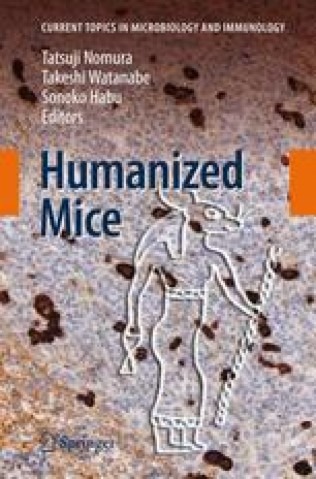
Humanized mice
The term humanized mouse in this text refers to a mouse in which human tissues and cells have been transplanted and show the same biological function as they do in the human body. That is, the physiological properties and functions of tra- planted human tissues and cells can be analyzed in the mouse instead of using a living human body. It should therefore be possible to study the pathophysiology and treatment of human diseases in mice with good reproducibility.
Human microbiome : Clinical implications and therapeutic interventions
The human microbiome refers to the complete microorganisms inhabiting the human body sites including skin, ear, nose, oral cavity, the genital, gastrointestinal and respiratory tracts, and body fluids such as breast milk, saliva, and urine. It is a significant and essential organ recognized for the body and has an established involvement in the host wellbeing, in terms of nutritional requirements and immunomodulation. Talks about how alteration and imbalance in the same can have clinical implications associated with a multitude of gastrointestinal, lifestyle-associated, and neurodegenerative disorders. How the proliferation of specific groups of bacteria and their metabolic activities, as a result of intestinal dysbiosis leads to the 'leaky gut' condition thereby influences brain activity via the bidirectional gut-brain axis. It also coves the importance of microbial seeding and how it can be influenced by the mode of delivery, nutrition, and medication. This book also provides various therapeutic interventions such as the establishment of stool banks and Faecal microbiota transplantation (FMT) that have recently proved promising in the treatment of ASD, Inflammatory Bowel Disease, and Ulcerative Colitis. This book provides a deeper understanding of the development of the human gut microbiome and the factors driving its dysbiosis. This book is a valuable read for health professionals, medical students, nutritionists, and scientific research communities who are eager to update themselves with recent trends in microbiome research. It will also aid gastroenterologists and nutritionists to make well-informed choices regarding therapeutic regimes.

Herbal cosmetics
What are cosmetics? Cosmetics are products applied to any part of human body for cleansing, beautifying, attractiveness and altering the appearance. Today cosmetics are considered a necessity and not a luxury. What are herbal cosmetics? Herbal cosmetics defined as the beauty products posses desirable physiological activities, such as skin healing, smoothening, appearance. These are the cosmetics which are prepared by using plant products having cosmetic actions Herbal drugs traditionally used in medicine and skin care consist of herbs and spices from higher plants, thalli from lower botanical organisms, microbial biomasses, and the various extracts that can be obtained from these sources.

Genomic intelligence : Metagenomics and artificial intelligence
The field of metagenomics has revolutionized our comprehension of microbial diversity and function across various habitats, from the human body to terrestrial and aquatic environments. Simultaneously, advancements in AI have empowered researchers to analyze vast troves of genomic data with unprecedented speed and precision, facilitating new insights into the complex interplay between microorganisms and their surroundings. Provides an overview of metagenomics and discusses the combination of metagenomics and AI and its significant consequences for advancements in science. The chapters examine the approaches, difficulties, and revolutionary uses of AI in metagenomics and provide insight into the convergence of genomics, metagenomics, and AI’s potential to revolutionize diverse fields from healthcare to environmental.

Fundamentals of anatomy and physiology of speech, language, and hearing
Each topic is explored in bullet-point form with augmentative paragraph information, in-depth box features, and detailed illustrations. High-resolution Anatomage virtual dissection table figures derived from real cadavers offer an unparalleled glimpse into the anatomical structures of the human body, featuring true-to-life colors and an impressive level of detail. Topics explored include respiration, phonation, articulation, swallowing, resonance, hearing, balance, neuroanatomy, and neurophysiology.

Essentials of pharmacodynamics and drug action
Provides a comprehensive exploration of the dynamic field of pharmacology and its fundamental principles. It delves into the intricate interactions between drugs and the human body, focusing on pharmacokinetics, which explains the dynamics of drug actions in the body, and pharmacodynamics, which uncovers the mechanisms through which drugs exert their effects. The book also emphasizes the crucial aspects of therapeutics and gene-based therapy, shedding light on modern approaches to disease treatment.

Consequences of Unawareness in Usage of Some Medicines and Diet Routine
In the short term, imbalanced nutrition can contribute to stress, tiredness and our capacity to work, and over time, it can contribute to the risk of developing some illnesses and other health problems such as: being overweight or obese, tooth decay, high blood pressure. Such habits cause considerable damage to human existence such as loss of potential and motivation, premature aging of the human body and the acquisition of diseases of various kinds. Such habits include the consumption of the following substances and medications which we will focus on in our research project in order to contribute to the public health awareness and to provide people with the best way to eat, on the other hand as an effect, pharmacologist we will also include the possible therapy of such diseases. However, with their side and some other commune drugs we are used to take on daily terms or very often but it may have a toxic side effect.

Marijuana and the Cannabinoids
Although primarily used today as one of the most prevalent illicit leisure drugs, the use of Cannabis sativa L., commonly referred to as marijuana, for medicinal purposes has been reported for more than 5000 years. Marijuana use has been shown to create numerous health problems, and, consequently, the expanding use beyond medical purposes into recreational use (abuse) resulted in control of the drug through international treaties. Much research has been carried out over the past few decades following the identification of the chemical structure of THC.The purpose of Marijuana and the Cannabinoids is to present in a single volume the comprehensive knowledge and experience of renowned researchers and scientists. Each chapter is written independently by an expert in his/her field of endeavor, ranging from the botany, the constituents, the chemistry and pharmacokinetics, the effects and consequences of illicit use on the human body, to the therapeutic potential of the cannabinoids.

Liver
Liver is the second largest organ in human body, more than 5,000 separate bodily functions including helping blood to clot, cleansing the blood of toxins to converting food into nutrients to control hormone levels, fighting infections and illness, regenerating back after injury and metabolizing cholesterol, glucose, iron and controlling their levels. Most people never give their liver a thought until something goes wrong, yet, liver diseases on rise, affecting one in ten. Liver diseases can be inherited or caused by a variety of factors that damage the liver.

Cirrhosis and New Treatment
The liver organ in the human body is located in the abdominal-pelvic space below the diaphragm. It is responsible for metabolic functions. This research talks about the liver anatomy and its functions as well as the liver cirrhosis that defined as the histological development of regenerative nodules surrounded by fibrous bands in response to chronic liver injury that leads to portal hypertension and end stage liver disease. Recent advances in the understanding of the natural history and pathophysiology of cirrhosis, and in treatment of its complications, resulting in improved management, quality of life and life expectancy of cirrhotic patients. At present, liver transplantation remains the only curative option for a selected group of patients, but pharmacological therapies that can halt progression to decompensated cirrhosis or even reverse cirrhosis are currently being developed.
Calcium in Human Health
Calcium performs diverse biological functions in the human body and is a micronutrient essential to human health and well-being. It serves as a second messenger for nearly every biological process, stabilizes many proteins, and in deficient amounts is associated with a large number diseases and disorders. In Calcium in Human Health, a panel of highly respected researchers and clinical practitioners comprehensively reviews the state of our knowledge concerning this ubiquitous micronutrient, not only demonstrating its importance to human health, but also defining its many complex roles.
Brain and Human Body Modeling 2020 : Computational Human Models Presented at EMBC 2019 and the BRAIN Initiative® 2019 Meeting
This book describes modern applications of computational human modeling in an effort to advance neurology, cancer treatment, and radio-frequency studies including regulatory, safety, and wireless communication fields.
Brain and Human Body Modeling : Computational Human Modeling at EMBC 2018
This book describes modern applications of computational human modeling with specific emphasis in the areas of neurology and neuroelectromagnetics, depression and cancer treatments, radio-frequency studies and wireless communications. Special consideration is also given to the use of human modeling to the computational assessment of relevant regulatory and safety requirements. Readers working on applications that may expose human subjects to electromagnetic radiation will benefit from this book’s coverage of the latest developments in computational modelling and human phantom development to assess a given technology’s safety and efficacy in a timely manner.
BioMEMS and biomedical nanotechnology ; Vol. III : Therapeutic Micro/Nanotechnology
The human body is composed of structures organized in a hierarchical fashion: from biomolecules assembled into polymers, to multimeric assemblies such as cellular or-ganelles, to individual cells, to tissues, to organ systems working together in health and disease- each dominated by a characteristic length scale. Decades of science and engineer-ing are now converging to provide tools that enable the orderly manipulation of biological systems at previously inaccessible, though critically important, length scales (<100 mi-crons). Thus, the approaches described in this volume provide a snapshot of how micro-and nanotechnologies can enable the investigation, prevention, and treatment of human disease.The volume is divided into three parts. The first part, Cell-based therapeutics; cov- ers the merger of cells with micro- and anosystems for applications in regenerative medicine spanning the development of novel nanobiomaterials.
Biomaterials : An Introduction
Biomaterials, an Introduction is intended as a general introduction to the uses of artificial materials in the human body for the purposes of aiding healing, correcting deformities, and restoring lost function. Enhancing on the field developments since the successful last edition, Biomaterials, an Introduction continues in its tradition as an outgrowth of an undergraduate course for senior students in biomedical engineering developed by the authors With 60 years of combined experience, the authors have emphasized the fundamental materials science, structure-property relationships and biological responses as a foundation for a wide array of biomaterials applications.
