



الصفحة 1
الصفحة 1

Neural and Neuroendocrine Mechanisms in Host Defense and Autoimmunity
This comprehensive volume, written by experts in the integrative fields of neuroscience, endocrinology and immunology, provides insight into the mechanisms by which neural and neuroendocrine factors influence susceptibility to infection and autoimmunity. The book focuses on multiple sclerosis as the prototypic autoimmune disease and discusses infectious diseases including anthrax, influenza virus, herpes virus and human immunodeficiency virus. The effects of stress on experimental models of multiple sclerosis and also clinical observations of stress in multiple sclerosis patients are discussed. Neural and Neuroendocrine Mechanisms in Host Defense and Autoimmunity is an ideal book for researches and professionals in the fields of immunology, neuroscience, infectious disease, psychology, microbiology, virology, public health and pharmaceutical sciences.

Molecular Mimicry : Infection Inducing Autoimmune Disease
The conceptual basis for molecular mimicry was first defined in the early 1980s when monoclonal antibodies against viruses were also shown to react with non-viral host protein; in this case, measles virus phosphoprotein cross-reacted with host cell cytokeratin, herpes simplex virus type 1 with host-cell vimentin and vaccinia virus with host-cell intermediate filaments. Following this discovery, others emerged, again at the clonal level, that T cell clones against proteins from a variety of infectious agents also reacted with host antigenic determinants. The clonal distinction was imperative fo.

Il fuoco di Sant’Antonio : Storia, tradizioni e medicina = St. Anthony's fire : History, Traditions, and Medicine
Il libro descrive la storia di Sant'Antonio Abate, il grande taumaturgo ed il fondatore del monachesimo cristiano. Molto prima che ciò fosse una pratica comune tra i fedeli, egli praticò l’ascetismo nel deserto ad imitazione di Cristo e le sue tentazioni demoniache descritte nella biografia scritta da Sant’Atanasio hanno costituito il tema favorito di molti pittori ed ispirato "La Tentation de Saint Antoine" di Gustave Flaubert. Padrone del fuoco e protettore degli animali, viene spesso raffigurato con accanto una fiamma ed un maialino, ragione per cui è anche chiamato "Sant’Antonio del porcello". Egli era il santo prediletto dai contadini ed inoltre patrono dei cestai, dei porcai, dei ceramisti e di molte altre professioni, ma era famoso soprattutto per le sue capacità curative sì da divenire il santo taumaturgo per eccellenza. Pertanto, dal Medio Evo al XIX era invocato per curare le più dolorose piaghe che affliggevano l’umanità, soprattutto quelle più devastanti che furono chiamate "Fuoco di Sant’Antonio". Questo termine includeva molte malattie completamente diverse tra loro, ma che avevano in comune solo un dolore intollerabile.

Essential oils for dental health : A holistic guide to oral care and treatment
Explores the benefits of and best methods of use for well-known dental care oils such as peppermint, tea-tree, and clove as well as the lesser known oral benefits of oils like cinnamon, manuka, and oregano. Offers many simple practical techniques to easily incorporate essential oils into your daily oral care routine. Includes recommended oil mixtures targeted to alleviate specific dental and oral ailments, such as periodontitis, oral herpes, ulcers, teething, dry mouth, bad breath, teeth grinding, and toothache.
Dermatopathology
The book describes the principles of histopathologic patterns in selected acquired skin diseases, together with short clinical descriptions and case reports. The underlying, or possible underlying, mechanisms are elucidated, and controversial concepts are discussed. To facilitate the understanding of underlying mechanisms, the first chapters of the book comprise summaries of basic histology of lymphatics and blood vessels, relevant parts of general pathology, immunology, and molecular cell biology.

Congenital torch infections : torch panel
TORCH is a group of infections that can be passed from the pregnant mother to her fetus through the placenta. TORCH, includes Toxoplasmosis, Other (syphilis, varicella-zoster, parvovirus B19, Hepatitis B), Rubella, Cytomegalovirus (CMV), and Herpes infections are some of the most common infections associated with congenital anomalies. Most of the TORCH infections have serious fetal consequences and there has no impact on fetal outcome. In the present article, we wanted to discuss about the causative agents/organism, mode of infection, symptoms, treatment, vaccination, available molecular biological techniques and public awareness regarding this infection, Our objective in this project is to assess the awareness of and knowledge about mother-to-child infections and prevention

Congenital infections : Toxoplasmosis and rubella
Torch syndrome is caused by a uterine infection with one of the factors that cause Torch syndrome, which disrupts the development of the fetus. Torch syndrome can be prevented by treating the infected pregnant woman, and thus preventing transmission of the infection to the fetus. And some of the factors that cause Torch Syndrome can give the mother permanent immunity, preventing the arrival of the disease and thus fetal malformations. They include a group of symptoms caused by a congenital infection such as toxoplasmosis, rubella, CMV and herpes, or due to other organisms such as syphilis, small viruses, and varicella zoster virus. The Toxoplasma parasite and the rubella virus can provide lasting immunity if the mother was infected before pregnancy in both or if she was vaccinated before pregnancy in Rubella.
Latency Strategies of Herpesviruses
This is the first book dealing with the intricate epigenetic mechanisms (DNA methylation, histone modification, alteration of chromatin structure) that regulate latency-associated transcription. Special attention is given to immune evasion "tricks" blocking immune responses to herpesvirus infected cells and viral RNAs and proteins involved in malignant transformation.
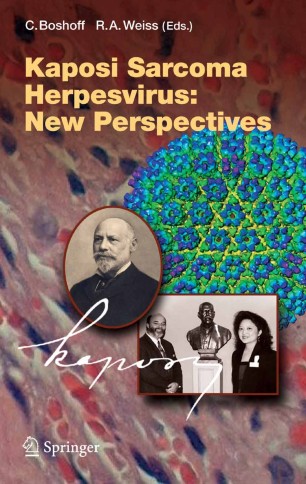
Kaposi Sarcoma Herpesvirus : New Perspectives
Since the identificationof two sequences fromKSHV,wehave learnedmuch about this pathogen as reflected in this book. As it turned out, KSHV itself encodes for a number of cytokines, and induces cellular cytokine secretion, contributing to tumour growth. Moreover, KSHV vFLIP targets the IKKNFκB axis to encourage the inflammatory microenvironment observed by Gallo and his colleagues. KSHV continues to elucidate both mechanisms of viral oncogenesis, and cellular and immune pathways involved in non-viral driven neoplasia.
Common Dermatologic Conditions in Primary Care
This book offers a guide to common dermatologic conditions most often treated by primary care providers. Most dermatologic disorders in the United States are treated by primary care physicians, and yet primary care training programs do not prioritize dermatology. This easy-to-use reference answers that need with practical recommendations for diagnosing and treating these common diseases along with a number of illustrative color images. Throughout, chapters are either organized by population and the dermatologic conditions common to those groups or diseases commonly encountered in primary care. Populations covered include children, pregnant women, and athletes, and common diseases covered include dermatitis, warts, herpes, psoriasis, and some skin cancers.
