



الصفحة 1
الصفحة 1

Practical handbook on soil protists
Details a wide range of basic and advanced techniques associated with research on isolation of important soil protozoa, and identification. Chapters guide readers through calculations of soil protists, basic techniques for isolation, enumeration, enrichment, molecular techniques, and staining techniques.

Ecology of Harmful Algae
Harmful algal blooms are one of the consequences of the human impact on aquatic ecosystems, particularly the process of eutrophication. They can cause a variety of deleterious effects, including the poisoning of fish and shellfish, habitat disruptions for many organisms, water discolouration, beach fouling, and even toxic effects for humans. This volume is a comprehensive synthesis of the latest research achievements concerning harmful algae (HA) ecology. International experts provide an in-depth analysis of HA topics including: global distribution, ecology of major HA groups, ecology and physiology of HA, HA and the food web, studying and mitigating HA, the human impact on HA and HA impact on human activity. This volume is an invaluable source of information for researchers in HA ecology as well as for advanced students, lecturers, and environmental managers.
Algal Toxins : Nature, Occurrence, Effect and Detection
This volume contains the lectures and seminars given at the NATO Advanced Study Institute on “Sensor Systems for Biological Threads: The Algal Toxins Case”, held in Pisa, Italy in October, 2007. Algae can form heavy growths in ponds, lakes, reservoirs and sl- moving rivers throughout the world; algae can house toxins which are - ually released into water when the cells rupture or die. Hundreds of toxins have been identified so far. Detection methods, including rapid screening, have been developed to help us learning more about them, especially to find out which toxins are a real threat for people and what conditions encourage their production and accumulation. Early detection of algal toxins is an - portant aspect for public safety and natural environment, and significant efforts are underway to develop effective and reliable tools that can be used for this purpose.
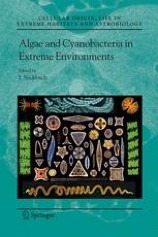
Algae and Cyanobacteria in Extreme Environments
ALGAE AND CYANOBACTRIA IN EXTREME ENVIRONMENTS is a unique collection of essays, contributed by leading scientists from around the world, devoted to algae – and some related microbes – observed in unexpected harsh habits, which it seems are an oasis or Garden of Eden for these organisms. This timely book on Extremophilic alga, including its especially impressive micrographs, may provide clues about the edges of life on Earth and possibly elsewhere in the universe. This volume is a must for students of the field of biodiversity, as well as those in Phycology, ecology and general biological research.
