



الصفحة 1
الصفحة 1

Trease & Evans Pharmacognosy
Covers the study of those natural substances, principally plants, that find a use in medicine. Its popularity and longevity stem from the book's balance between classical (crude and powdered drugs' characterization and examination) and modern (phytochemistry and pharmacology) aspects of this branch of science, as well as the editor's recognition in recent years of the growing importance of complementary medicines, including herbal, homeopathic and aromatherapy.

The flavonoids : Extraction and applications
Flavonoids are known to have positive effects on human and animal health and are employed for disease therapy and chemoprevention. Presents recent advances of polyphenol (flavonoids) derivatives for the management and prevention of diseases. It summarizes the classification of flavonoids and explores their potential as immunity-boosting compounds for mental health, for prevention of cardiovascular illnesses, for their antimicrobial and anti-inflammatory uses, for their use in vasodilation, for their use in dermatology and cosmetic preparation, and more. The various methods of flavonoid extraction are addressed, including the main parameters involved in extraction, such as temperature, solvent used, sample quantity, time for extraction, etc. The book also looks at the role of flavonoids in sustainable agriculture.

Rational phytotherapy : A reference guide for physicians and pharmacists
A practice-oriented introduction to phytotherapy. Methodically classified by organic systems and fields of application, it offers a quick insight into dosage, form of application and effects of the most important herbal remedies. Only those herbal remedies that are of pharmacological and clinical efficiency have been considered. The authors are highly experienced in the field of postgraduate medical education, and, with this work, present an indispensable reference book for the medical practice. All practitioners and pharmacists interested in treatment with herbal remedies should have this book at their disposal.

Plants as medicine and aromatics : Pharmacognosy, ecology and conservation
Herbal medicines have consistently demonstrated several major advantages, including a lack of serious adverse side effects, long-lasting curative impact, and an overall cost-effectiveness. Even today, with a plethora of modern pharmaceutical medicines commonly available, plant-based medicines and aromatics are increasingly in demand throughout the health sector globally, where they are used not only for the treatment of disease but also preventatively for maintaining good health. Thus, currently almost two-thirds of the world's population willingly seek side-effect-free alternatives to modern medical treatments and thus depend on phytomedicine for their primary health care.

Pharmacovigilance for Herbal and Traditional Medicines : Advances, Challenges and International Perspectives
Dedicated to the topic of pharmacovigilance for herbal and traditional medicines. Taking a truly global perspective, this volume draws together contributions from a diverse group of experts, writing on current knowledge and practices in pharmacovigilance for herbal and traditional medicines, and on advances and innovation in monitoring the safety of this unique and complex category of products and preparations. In part one, the book discusses the current status of pharmacovigilance for herbal and traditional medicines, including the importance of natural products chemistry to harms, and its relevance in considering how pharmacovigilance for these products could be undertaken. Several other chapters discuss methodological approaches and ongoing challenges in pharmacovigilance for herbal and traditional medicines, including issues relating to nomenclature, coding and classification, and the nuances involved in causality assessment.

Oral Health and Herbal Medicine
Oral health loss is one of the major problems existing all over the world and is one of the top causes of death when unmanaged. The oral cavity is home to numerous pathogenic microorganisms, some of which are responsible for the progression and development of various systemic diseases such as cancer, diabetes and myocardial infarction. Worldwide, 60–90% of school children and nearly 100% of adults have dental cavities, often leading to pain and discomfort. There are implications for the global economy as well, due to the continuous burden of investing resources to maintain oral hygiene. Not surprisingly, developing countries are disproportionally affected. There is thus an urgent need to develop economical solutions for the treatment of oral diseases.

Omega-3 fatty acids : Keys to nutritional health
Argues for the importance of essential nutrients in our diet. Over the last two decades there has been an explosion of research on the relationship of Omega-3 fatty acids and the importance of antioxidants to human health. Expert authors discuss the importance of a diet rich in Omega-3 Fatty acids for successful human growth and development and for the prevention of disease. Chapters highlight their contribution to the prevention and amelioration of a wide range of conditions such as heart disease, diabetes, arthritis, cancer, obesity, mental health and bone health.

Nutraceuticals in arthritis and psoriasis : Management and prevention of diseases
Explores plant-derived nutraceuticals that can be used as crucial therapeutic tools in the prevention and treatment of arthritis and psoriasis, providing detailed information on the use of plant-derived nutraceuticals, such as microalgae and other marine botanicals, omega polyunsaturated fatty acids, glucosamine and chondroitin sulphate, plant-based gum, vitamins and oils, probiotic supplements, and others in the treatment and management of arthritis and psoriasis. The book relates the recent scientific evidence on the effectiveness of each of these nutraceutical treatments, offering case studies, results of clinical studies, and more.

Natural product experiments in drug discovery
Explores a wide range of evidence-based complementary medicine and various bio-analytical techniques used to define botanical products. Collecting recent work and current developments in the field of contemporary phytomedicine as well as their future possibilities in human health care, the book includes unique contributions in the form of chapters on phytomedicine and screening biological activities explained with diverse hyphenated techniques, as well as issues related to herbal medications, such as efficacy, adulteration, safety, toxicity, regulations, and drug delivery. Written for the Springer Protocols Handbooks series, chapters feature advice from experts on how to best conduct future experiments. Extensive and practical, Natural Product Experiments in Drug Discovery serves as an ideal reference for students, professors, and researchers in universities, R&D institutes, pharmaceutical and herbal enterprises, and health organizations.
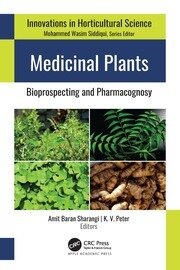
Medicinal plants : Bioprospecting and pharmacognosy
Touches on a diverse selection of topics related to medicinal plants. Chapters look at the use of medicinal plants in healthcare and disease management, such as to treat inflammation, anti-hyperglycemia, and obesity and as immunity boosters. The authors also address the conservation, maintenance, and sustainable utilization of medicinal plants along with postharvest management issues. Topics include consumption, supply chain, marketing, trade, and future directions of research. Some specific plants discussed include fennel, basil, clove, ginger, lavender, turmeric, ginsing, and asparagus in connection with their various therapeutic properties, including anti-rheumatic, anti-asthmatic, anti-diabetic, carminative, diuretic, fever-reducing, and hypotensive. Medicinal Plants: Bioprospecting and Pharmacognosy will prove informative for scientists and researchers in medicinal plants as well as for faculty and students, pharmaceutical researchers, and others.
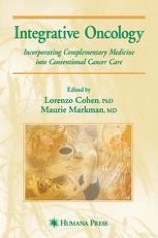
Integrative Oncology : Incorporating Complementary Medicine into Conventional Cancer Care
Integrative Oncology: Incorporating Complementary Medicine into Conventional Cancer Care is a platform from which accomplished professionals describe the various aspects of their programs and present their insights to those seeking to start or improve an integrative oncology program.

Herbal medicine in India : Indigenous knowledge, practice, innovation and its value
Covers Indian herbal medicines, health products, pharmaceuticals, nutraceuticals, and cosmetics. Highlights the status quo and future prospects of traditional medicine in India / Provides information on drug discovery, ethnobotany, isolation of phytochemicals, importance of herbal nutraceuticals, etc. / Covers innovation, validation and IPR issues related to Indian traditional medicine
