



الصفحة 1
الصفحة 1
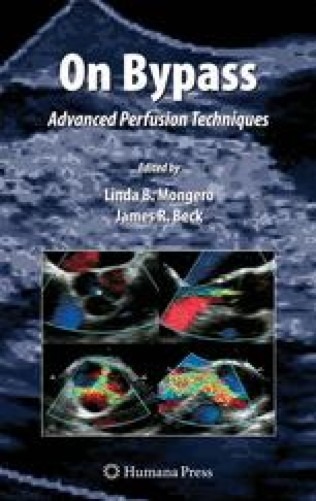
On Bypass : Advanced Perfusion Techniques
With the introduction of cardiac surgery more than five decades ago and the use of the heart-lung machine for open heart surgical procedures granting the surgeon unlimited time in which to operate inside the heart, a complex task has been given to the Perfusionist. With a pairing of a perfusionist and a surgeon for each chapter, On Bypass: Advanced Perfusion Techniques is an essential collection of techniques and protocols to aid in the difficult and immediate decision making in the operating room. Among the topics covered in this comprehensive text are pediatric perfusion techniques for complex congenital, separation from cardiopumonary bypass, blood flow during cardiopumonary bypass, and minimally invasive perfusion techniques. Also covered is ultrafiltration in cardiac surgery, echocardiography and cardiopulmonary bypass, and advances in long-term pulmonary support.

New strategies in treating and diagnosing of Myeloid Leukemia
Leukemia is a cancer of white blood cells. It is characterized by an abnormal accumulation of WBC in the bone marrow which leads to bone marrow failure. in this project, we will observe myeloid leukemias (acute & chronic), Clinical Practice Guidelines for leukemia provide recommendations on the diagnostic evaluation, and applied treatment in Syria and Germany for induction and consolidation for patients and we're going to devote a special paragraph on therapy with monoclonal antibodies. Gilteritinib are new therapies for acute myeloid leukemia and we're going to suggest them in detail.

New Frontiers in Angiogenesis
New Frontiers in Angiogenesis starts with a comprehensive overview of the field and continues with topics that have been minimally explored. The topics deal with dynamics of vasculogenesis using imaging techniques, bone marrow-derived endothelial cell precursors as potential therapeutic tools, regulation of post-angiogenic vessel regression, vascular mimicry, design and construction of artificial vessels, bioengineering of angiogenesis, and lymphangiogenesis recapitulating angiogenesis in health and disease states. Each chapter is written by leading experts of the subjects. It is hoped that this volume will challenge all of us interested in the field of angiogenesis and cardiovascular biology, in particular those in academia and industries, to think "outside the box" and explore angiogenesis from a fresh angle. It is hoped that New Frontiers in Angiogenesis is thought provoking and serve as a road map for discovering new findings to help betterments of human health.
Neutrophil : Methods and Protocols
Neutrophils, the most abundant white cells in humans, serve as the primary cellular defense against infection. This volume provides a concise set of protocols for assessing basic neutrophil functions and investigating specialized areas in neutrophil biology. Each of the protocols is written by leading researchers in the field and includes hints for success, as well as guidance for troubleshooting. Part I contains overviews of neutrophil biology, function, and disorders. Part II describes commonly used methods to isolate neutrophils from humans and other animal species. Part III details methods for investigating chemotaxis, transmigration, phagocytosis, and bactericidal activity. Part IV includes protocols that measure neutrophil apoptosis, calcium signal transduction, degranulation and detection of cytoplasmic granules, gene expression, transcription factors, and apoptosis. Part V provides multiple assays for measuring production of intracellular and/or extracellular reactive oxygen species, and a method that details use of the cell-free NADPH oxidase assay, an iconic assay for studies of the neutrophil NADPH oxidase. Part VI provides chapters that describe how to analyze formation and function of neutrophil extracellular traps.

Neuroacanthocytosis Syndromes
Neuroacanthocytosis Syndromes is the first comprehensive review of a field that has not yet received the attention it deserves. Affecting the brain as well as the circulating red cells, these multi-system disorders in the past had often been mistaken for Huntington's disease. Recent breakthroughs have now identified the molecular basis of several of these. This volume grew out of the first international scientific meeting ever devoted to neuroacanthocytosis and provides in-depth information about the state of the art. Its thirty chapters were written by the leading authorities in the field to cover the clinical as well as the basic science perspective, including not only molecular genetics but also experimental pharmacology and cell membrane biology, among others. The book vehemently poses the question of how the membrane deformation of circulating red blood cells relates to degeneration of nerve cells in the brain, the basal ganglia, in particular. It provides a wealth of data that will help to solve an intriguing puzzle and ease the suffering of those affected by one of the neuroacanthocytosis syndromes.

Nanoparticle-Based Drug Delivery in Cancer Treatment
Discusses nanotechnological developments of interfering RNA-based nanoparticles, delivery vehicles, and validated therapeutic RNAi–molecular target interactions and explains the results of clinical and preclinical trials. The book also gives strategies for universal methods of constructing hybrid organic–inorganic nanomaterials that can be widely applied in the biomedical field. Focuses on : Recent advances of nanoparticle-mediated siRNA delivery systems and their application in clinical trials for cancer therapy Material platforms that establish NPs and both localized and controlled gene silencing The most promising systems for clinical application Surveys progress in nanoparticle-based nanomedicine in cancer treatment The most advanced of the nonviral nanocarriers for delivery of oligonucleotides to malignant blood cancer cells

MRI of the Heart and Vessels
In recent years magnetic resonance imaging (MRI) has enriched the technological potential available for the characterization of cardiovascular pathologies, adding substantial advantages to other non-invasive techniques. This technique, which is intrinsically digital and has reduced operator dependency, allows the performance of image analysis in a quantitative and reproducible manner. In virtue of its added diagnostic value and inherent refinements that allow construction of two- and three-dimensional images, MRI is gaining a primary role in the histopathological and physiopathological understanding of a large number of pathologies concerning the heart and vessels. This text is addressed both to MRI operators seeking specific technical information and to clinicians who wish to have a better understanding of the diagnostic and management advantages that MRI can offer.
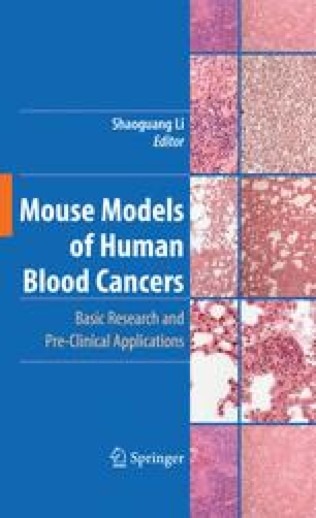
Mouse Models of Human Blood Cancers : Basic Research and Pre-clinical Applications
Although it remains an open question among some people whether mice and humans are similar in disease development, the laboratory mouse has emerged as the preeminent animal model for human diseases. This is underscored by the recently completed mouse and human genome projects, which have revealed that mice and humans share the vast majority of their genes, and thus get many of the same diseases, and for the same reasons. Emphasizing why mouse models are valuable in vivo systems for understanding disease mechanisms and developing therapeutic strategies for human blood cancers, "Mouse Models of Human Blood Cancers: Basic Research and Pre-clinical Applications," edited by Shaoguang Li, aims on presenting thorough analyses of the pathological features and the molecular bases of several major types of blood cancer and to describe translational research using mouse cancer models.

Mortality and Maldevelopment : Part I : Congenital cardiovascular malformations
The most frequent of them all are the many types of malformations of the cardiovascular system, the heart and its blood vessels.Study of these conditions during the twentieth century took many forms, revolving about examination and analysis of their causes, genetic, nongenetic, and complex. To aid in unraveling the complexities of this causation, various influences on their frequency are considered, among them social conditions, maternal health, birthweight, newborn maturity. And of course the known and possible environmental bases of their occurrence are fully described.

Molecular Sensors for Cardiovascular Homeostasis
This book reveals state-of-the-science of several newly discovered ion channel families and their role in the pathogenesis of cardiovascular diseases.It offers comprehensive and up-to-date information for a deeper understanding of the relationship between macro- and micro-environments, ion channels, and pathophysiological responses, and for developing novel therapies for treating devastating cardiovascular illnesses.

Modern treatments for chronic blood diseases
Blood is a body fluid in humans and other animals that delivers necessary substances such as nutrients and oxygen to the cells and transports metabolic waste products away from those same cells. In vertebrates, it is composed of blood cells suspended in blood plasma. Plasma, which constitutes 55% of blood fluid, is mostly water (92% by volume), and contains proteins, glucose, mineral ions, hormones, carbon dioxide (plasma being the main medium for excretory product transportation), and blood cells themselves. Albumin is the main protein in plasma, and it functions to regulate the colloida osmotic pressure of blood. The blood cells are mainly red blood cells (also called RBCs or erythrocytes), white blood cells (also called WBCs or leukocytes) and platelets (also called thrombocytes). Thalassemias are inherited blood disorders characterized by decreased hemoglobin production Symptoms depend on the type and can vary from none to severe. Often there is mild to severe anemia (low red blood cells or hemoglobin). Anemia can result in feeling tired and pale skin. There may also be bone problems, an enlarged spleen, yellowish skin, and dark urine. Slow growth may occur in children.
Modern Hematology : Biology and Clinical Management
The first chapters of this book contain a self-contained introduction to path integrals in Euclidean quantum mechanics and statistical mechanics. The resulting high-dimensional integrals can be estimated with the help of Monte Carlo simulations based on Markov processes. The most commonly used algorithms are presented in detail so as to prepare the reader for the use of high-performance computers as an “experimental” tool for this burgeoning field of theoretical physics. Several chapters are then devoted to an introduction to simple lattice field theories and a variety of spin systems with discrete and continuous spins, where the ubiquitous Ising model serves as an ideal guide for introducing the fascinating area of phase transitions. As an alternative to the lattice formulation of quantum field theories, variants of the flexible renormalization group methods are discussed in detail. Since, according to our present-day knowledge, all fundamental interactions in nature are described by gauge theories, the remaining chapters of the book deal with gauge theories without and with matter.

Mitral valve diseases
The heart is a pump consisting of 4 chambers:2 atria and 2 ventricles and 4 valves one of them is mitral valve which is located betweenthe left atrium and the left ventricle and prevents the backward flow of blood.Ithas several unique features: Mitral annulus, two leaflets, the chordae tendineaeand papillary muscles. The mitral valve may become stenotic or may regurgitate. Regurgitation(or leakage of the valve): When the valve (s) do not close completely. Stenosis (or narrowing of the valve): When the valve (s) opening becomes narrowed. Mitral stenosis is categorized as mild, moderate or severe it is typically causedby (Rheumatic fever, A congenital heart, Calcium deposits .....) and it caused severalsymptoms such as: dyspnea, hemoptysis, fatigue, Chest pain and others Where as the Signs and symptoms of mitral valve regurgitation, can include: Abnormal heart sound, Shortness of breath, Heart palpitations, Fatigue, edma, Coughing.

Minimally Invasive Neurosurgery and Neurotraumatology
Neurotraumatology patients present an enormous challenge to society. Neuros- gical management of brain and spinal cord injury has been a frustrating area, as s- gical methods, especially in moderate and severe injuries, have been limited to control of brain and spinal compression, control of intracranial pressure with its expected effect on cerebral blood flow, and structural repair of the supporting structures (skull, spine, brain and spinal cord coverings). Achieving the best outcome for the neu- traumatology patient, however, requires much more than that.

Micrometastasis
Distant metastases are the main cause of cancer-related death. The onset of the metastatic process can now be assessed in cancer patients by the use of immunocytochemical and molecular methods that allow the identification of disseminated carcinoma cells in regional lymph nodes, peripheral blood or distant organs. There is increasing evidence that the detection and characterization of tumor cells present in bone marrow or peripheral blood can provide clinically important information. In this book, leading experts in the area of micrometastasis research provide an overview that summarizes the current state of research on micrometastatic disease in patients with solid tumors. In each chapter, the technical aspect as well as clinical relevance of micrometastasis detection is discussed. The book addresses basic researchers as well as clinicians involved in the treatment of cancer patients.

Microarrays in Inflammation
The book is of interest to academic and industrial researchers but also clinicians who are working on inflammation related topics and would like to extend their knowledge about microarrays and the application thereof. After reading the book a researcher or clinician should be in the position to plan, perform and analyse or to critically review microarray experiments related to inflammation research.

Mediclica
The main objective of the project here is to show the ability to book online in Syria. And show the interdependence between the patient and follow-up in the correct manner... by entering the data, blood tests, and x-rays required of the patient in shortening his time and effort

Medical data processing and analysis
Medical data can be defined as obtaining information from patients (such as signals, images, sounds, chemical components and their concentration, body temperature, respiratory rate, blood pressure, and different treatment measurements) to quantify the patient’s status and disease stage. Computer-aided diagnostic (CAD) systems use classical image processing, computer vision, machine learning, and deep learning methods for image analysis. Using image classification or segmentation algorithms, they find a region of interest (ROI) pointing to a specific location within the given image or an outcome of interest in the form of a label pointing to a diagnosis or prognosis. Computer science, with the evolution of artificial intelligence and machine learning techniques, facilitates the modeling and interpretation of results—from carrying out measurements to experiments and observations.

Medical Applications of Colloids
This volume collects chapters dealing with significant topics in colloids and surfaces relevant to medical applications. The book will be of interest to scientists and practitioners in areas as diverse as medical diagnostics, drug formulations, X-ray photoelectron spectroscopy of biomaterials, and particle transport in human airways.

Mechanisms of Angiogenesis
Is it advisable to go back from bedside to the bench? During the last decade, few topics encountered such a broad interest in bio- gy and medicine as angiogenesis. The amazing ability of the body to restore blood flow by induction of blood vessel growth as part of an adaptive process has alarmed physicians dealing with diseases in which angiogenesis is either exaggerated (as in tumors) or too slow (as in ischemic diseases of heart and brain). Not surprisingly, pro- and antiangiogenic strategies have found their way into clinical trials. For instance, for the USA, the NIH website in early 2004 displayed 38 clinical studies involving either pro- or antiangiogenic th- apies. Given the expected overwhelming wealth of clinical data, the question may be asked whether further exploration of biological mechanisms is required or whether results from the bedside are instructive enough to proceed. This question depends also on the progress of pro- and antiangiogenic clinical trials. In the following, I give a short overview about some of the progress that has been made in this field. Since Judah Folkman proposed antiangiogenic tumor therapy thirty years ago, it has become increasingly evident that agents which interfere with blood vessel formation also block tumor progression. Accordingly, antiangiogenic therapy has gained much attention as a potential adjunct to conventional c- cer therapy.
